Kerala High Court Questions Police Curbs on Late-Night DJ Parties, Cautions Against Stereotyping Nightlife
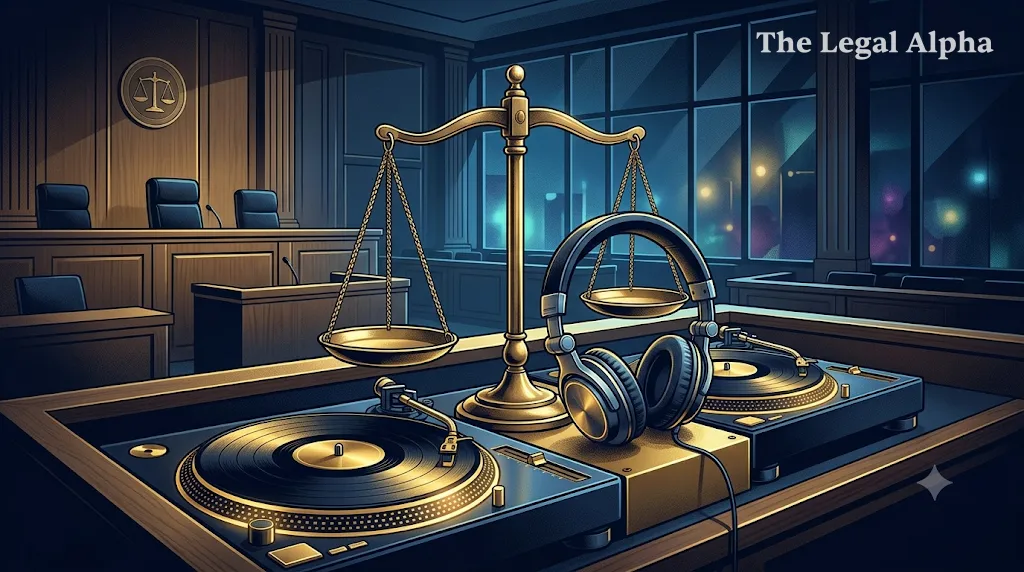
The Kerala High Court on November 16, 2026, questioned the legal basis behind police restrictions targeting late-night DJ parties in Kochi, observing that law enforcement cannot curtail nightlife or profile music and dancing as automatic hubs for narcotics. A Division Bench comprising Justice Devan Ramachandran and Justice Basant Balaji made these oral observations while hearing an appeal filed by the State of Kerala.
The dispute originated when Kochi police issued notices to the Radisson Blu Hotel in Kadavanthra, directing it to shut down operations by midnight and stop hosting DJ parties after 11 PM. This restriction was imposed despite the hotel holding a valid FL-3 bar licence and having paid the requisite statutory fee under the Excise rules to operate until 3 AM. On November 10, 2026, a Single Judge Bench of Justice Murali Purushothaman quashed the police notices in Mahadevan v. State of Kerala & Ors. (2026:KER:85771), holding that police cannot unilaterally shorten the permitted operating hours of a licensed establishment based merely on an apprehension of crime. The State appealed this ruling before the Division Bench, leading to the latest hearing.
Legal Topic
Area of Law: Administrative and Constitutional Law / Excise and Police Regulation
Sub-topic: Scope of Police Powers, Licensing Rights, and Regulation of Commercial Nightlife
Core Legal Issue
The central legal question before the Kerala High Court is whether police authorities possess the statutory power to unilaterally curtail the operating hours of a hospitality establishment or ban specific forms of entertainment—such as DJ parties—when the venue already holds valid permission from the Excise Department to operate during late hours.
Additionally, the Bench is examining whether preventive policing powers allow law enforcement to impose blanket bans on certain social gatherings based on generalized apprehensions of narcotic offences, or whether police action must be grounded in specific statutory regulations and targeted enforcement.
What Did the Court / Authority Decide?
The Division Bench has not yet delivered a final verdict on the State's appeal. During the November 16 hearing, the Court directed the State government to clarify whether any specific law or licensing regime exists in Kerala to regulate DJ parties, including those held in private spaces where no alcohol is served. The Bench also asked the State to spell out the exact regulatory restrictions it proposes to implement.
Crucially, the Division Bench refused to stay the Single Judge's November 10 order that had set aside the police curbs. However, it directed that its own earlier clarificatory interim order dated November 13, 2026, will continue to remain in force. Under that interim direction, the Court clarified that while licensed venues cannot be subjected to arbitrary bans, the police retain full authority to carry out preventive policing, maintain law and order, and enforce strict, zero-tolerance crackdowns against narcotic drugs and prohibited substances within the bounds of the law. The appeal is posted for further hearing on November 20, 2026.
Key Legal Points
-
Policing Cannot Rely on Stereotypes: The Bench emphasized that law enforcement cannot treat DJ parties as synonymous with drug abuse. Justice Ramachandran noted that policing must be based on lawful parameters rather than assumptions or generalizations about specific demographics or professions, warning that arbitrary profiling crosses the line into a "Police Raj".
-
Inter-Departmental Consistency: The Court pointed out the contradiction in permitting an establishment to serve liquor until 3 AM under an Excise licence—from which the State earns revenue—while simultaneously prohibiting music and dancing after 11 PM on the same premises.
-
Requirement of Statutory Backing: The Bench questioned what legally defines a "DJ party" and asked the government to identify the specific statute or rule that empowers police to require prior permission or impose bans on music events.
-
Distinction Between Blanket Bans and Targeted Enforcement: While questioning total prohibitions on nightlife, the Court affirmed that police have a statutory duty to prevent crime before it occurs and must take strict action against drug violations wherever they happen, whether at late-night parties or public gatherings.
Relevant Law
-
Kerala Foreign Liquor Rules (framed under the Kerala Abkari Act): Governs the grant of FL-3 licences to hotels and bars, as well as the fee structure and permitted operating hours for serving liquor.
-
Kerala Police Act, 2011: Defines the scope of preventive policing, maintenance of public order, and regulatory powers of police officers in public and commercial spaces.
-
Narcotic Drugs and Psychotropic Substances (NDPS) Act, 1985: Governs offences, search, seizure, and enforcement actions related to illegal drugs, which the Court affirmed must be enforced with zero tolerance.
-
Precedent / Primary Order Under Appeal: Mahadevan v. State of Kerala & Ors. (Kerala High Court, Single Bench judgment dated November 10, 2026; Neutral Citation: 2026:KER:85771), which quashed the police notices restricting extended bar hours.
Arguments of the Parties
Petitioner (Hotel Management / Licensee) The petitioner submitted that the hotel holds a valid FL-3 licence and had legally obtained an extension to operate until 3 AM after paying the prescribed fee to the Excise Department. Counsel argued that the police lacked jurisdiction to override statutory Excise permissions by issuing notices restricting operations to midnight and banning DJ events after 11 PM.
Respondent / Appellant (State of Kerala and Police Authorities) Represented by the Additional Advocate General, the State contended that late-night DJ parties in Kochi had become venues for illegal activities, including narcotic drug use, assaults, and public disorder. Relying on a list of criminal cases registered at the Kadavanthra Police Station and across Kochi City in connection with late-night events, the State argued that preventive policing measures were necessary to curb the drug menace.
Why Does It Matter?
This ongoing litigation directly impacts the hospitality, tourism, and entertainment sectors across Kerala, particularly hotels, bars, and independent event organizers that invest in late-night operating licences. When businesses pay substantial statutory fees to one arm of the government (the Excise Department) for extended hours, unilateral restrictions by another arm (the Police) create regulatory uncertainty and commercial disruption.
Beyond commercial interests, the High Court's observations set an important administrative standard for law enforcement. By drawing a clear boundary between legitimate preventive policing and arbitrary moral or demographic profiling, the Court is compelling the State to articulate transparent, legally backed regulations rather than relying on ad-hoc bans. How the State responds on November 20 could determine whether Kerala introduces a formal regulatory framework for commercial music events and private parties.
Legal Takeaway
Law enforcement agencies cannot use the guise of crime prevention to impose blanket bans on lawful recreational activities or override permissions granted under valid statutory licences. While police retain full authority to crack down on drug offences and maintain public order, any restriction on commercial nightlife must be backed by clear law rather than broad assumptions.
Sources
Primary Source:
-
Kerala High Court Division Bench proceedings and interim orders in the State's appeal against Mahadevan v. State of Kerala & Ors. (Single Bench judgment dated November 10, 2026, Neutral Citation: 2026:KER:85771), heard by Justice Devan Ramachandran and Justice Basant Balaji on November 13 and November 16, 2026.
Additional Sources:
-
LiveLaw, "Policing Can't Be Based On Stereotypes: Kerala High Court Questions Restrictions On DJ Parties Over Drug Concerns" (November 16, 2026).
-
Verdictum, "Kerala High Court Sets Aside Notice Barring DJ Parties After 11 PM" (November 12, 2026).
-
Onmanorama, "'Is there no nightlife in Keralam?': HC questions police crackdown on DJ parties" (November 16, 2026).