In Novel Challenge to Texas Pill Ban, Mother Sues Anti-Abortion Leaders Over Undercover Drug Orders
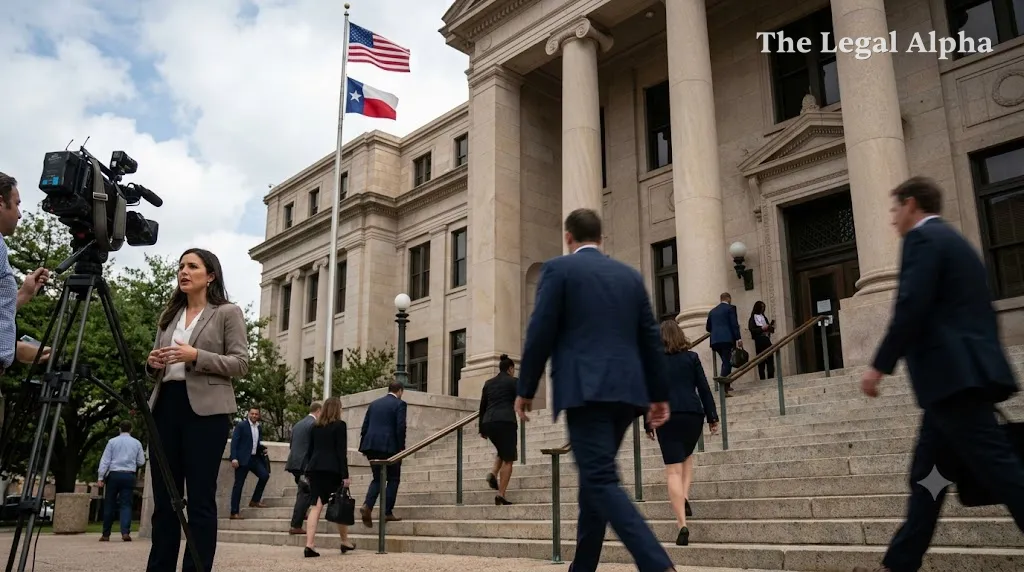
A Texas mother has turned the state’s stringent civil enforcement abortion statutes against prominent anti-abortion figures. The plaintiff, filing under the pseudonym Maria Puerto in a Harris County state district court, initiated a civil lawsuit against Kristan Hawkins, the president of Students for Life of America, and three other activists associated with the organization.
The litigation stems from an incident in March outside Space Center Houston, where anti-abortion campaigners conducted an "undercover" operation attempting to order abortion medications via mobile devices to showcase the availability of mail-order pills. Puerto, who was unable to obtain abortions for two unplanned pregnancies due to Texas restrictions, is invoking the broad citizen-suit enforcement mechanisms of Texas law. She seeks statutory penalties and child-rearing support costs, alleging the activists themselves violated state prohibitions on facilitating and procuring abortion-inducing drugs across state borders.
Legal Topic
-
Area of Law: Healthcare Law / Civil Litigation
-
Sub-topic: Statutory Private Rights of Action / Reproductive Legislation Enforcement
Core Legal Issue
The primary legal question is whether statutory private causes of action designed to deter abortion-related activities apply to investigative or undercover demonstrations conducted by anti-abortion activists.
Specifically, the Harris County court must determine whether individuals ordering abortion medications online without intent to ingest them fall outside statutory exemptions that shield pregnant patients, thereby exposing undercover purchasers to civil liability and statutory damages under state restrictions.
What Did the Court / Authority Decide?
The lawsuit was filed in a Harris County district court; no substantive judicial rulings, preliminary injunctions, or summary judgment orders have been issued.
The action remains in its opening procedural phase. Defendants must be served and enter formal appearances or responsive pleadings, which typically include motions to dismiss challenging standing, lack of underlying injury, or First Amendment defenses.
Key Legal Points
-
Universal Citizen Standing Invoked Against Proponents: The plaintiff relies on Texas private attorney general mechanisms, which permit private individuals to initiate enforcement actions regardless of direct personal injury caused by the transaction.
-
Scope of Personal-Use Exemptions: Texas statutes typically immunize pregnant individuals who take abortion-inducing medications, raising the question of whether activists ordering pills purely for demonstration or investigative purposes can benefit from those protective provisions.
-
Impact of Digital and Physical Venue: The civil complaint relies on geolocation and published admissions on social media to establish that the illicit procurement took place within Texas territorial jurisdiction.
-
Bounty Mechanism Reversal: The litigation tests whether statutory enforcement structures intended to stop abortion access can be weaponized against conservative advocacy groups engaging in investigative tactics.
Relevant Law
-
Texas House Bill 7 (Woman and Child Protection Act): Prohibits the distribution, transport, or procurement of abortion-inducing drugs into or within Texas, delegating civil enforcement to private citizens.
-
Texas Health and Safety Code (Subchapter on Abortion-Inducing Drugs): Restricts the distribution, mailing, and dispensing of mifepristone and misoprostol, limiting exceptions to narrowly defined physician certifications.
-
Texas Civil Practice and Remedies Code (General Standing Provisions): Establishes the procedural thresholds required for non-injured third parties to seek civil penalties and statutory awards in state court.
Arguments of the Parties
The Plaintiff The plaintiff contends that the defendants intentionally and knowingly ordered prohibited abortion medication into Texas, thereby meeting every statutory element of actionable procurement. Counsel argued that Texas created a wide-open enforcement net giving citizens the right to hold any person accountable who attempts to import or traffic abortion pills. The plaintiff further argued that because the defendants are strictly anti-abortion and were not pregnant or intending to consume the pills, they are ineligible for the safe-harbor protections reserved strictly for patients terminating their own pregnancies.
The Defendants / Anti-Abortion Activists While formal legal replies have not yet been placed on the court docket, the defendants publicly characterized the lawsuit as an improper retaliatory maneuver. In public statements responding to the claim, defense figures argued that their actions were part of a public-interest journalistic and advocacy demonstration intended to expose how easily abortion pills enter the state in evasion of Texas law, rather than a genuine transaction to procure an abortion.
Why Does It Matter?
This lawsuit underscores the volatile legal mechanics of citizen-enforced state statutes. When state legislatures craft private attorney general provisions that do not require proof of common-law harm, they eliminate the gatekeeping function traditionally held by public prosecutors and state attorneys general.
If the suit survives preliminary dismissal, it creates immediate civil exposure for advocacy organizations, journalists, and researchers who perform test buys or undercover investigations involving regulated medications. Conversely, if courts dismiss the action for lack of standing or apply an unwritten "intent" defense, judges will be forced to draw boundaries around statutory language that was drafted to be as unyielding as possible.
Legal Takeaway
Private attorney general provisions that grant broad standing to citizens cut both ways. When anti-abortion activists engaged in an undercover purchase of abortion medications, they left themselves vulnerable to the plain letter of the statutory bans they championed.
Sources
Primary Source:
-
Puerto v. Hawkins, et al., Original Petition, Harris County District Court, Texas (Filed October 2026).
Additional Sources:
-
Texas House Bill 7 (Woman and Child Protection Act), enacted 88th/89th Texas Legislature.
-
Reporting by The Texas Tribune and Mother Jones regarding civil claims under Texas abortion medication restrictions (October 2026).