Federal Judge Halts East Potomac Tree Removal After Government Fells Over 400 Trees Over Holiday Weekend
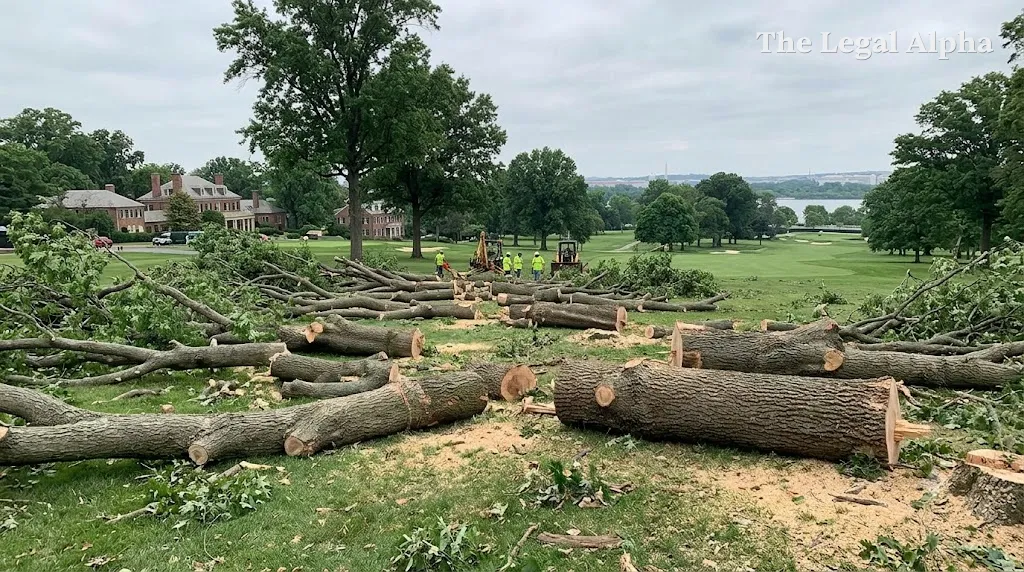
A federal judge in Washington, D.C., issued an emergency temporary restraining order blocking the Trump administration from cutting down any additional trees at the historic East Potomac Golf Links.
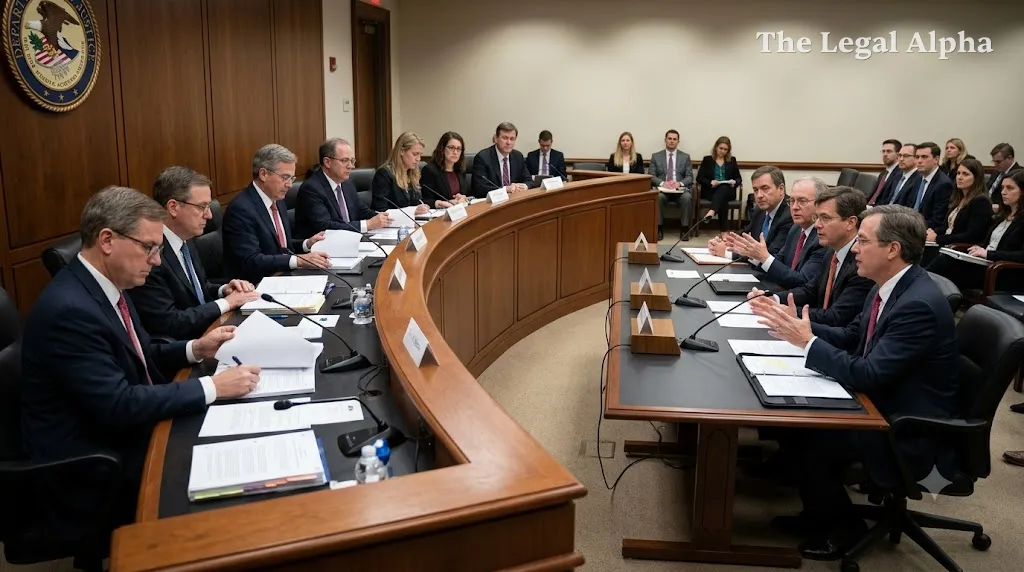
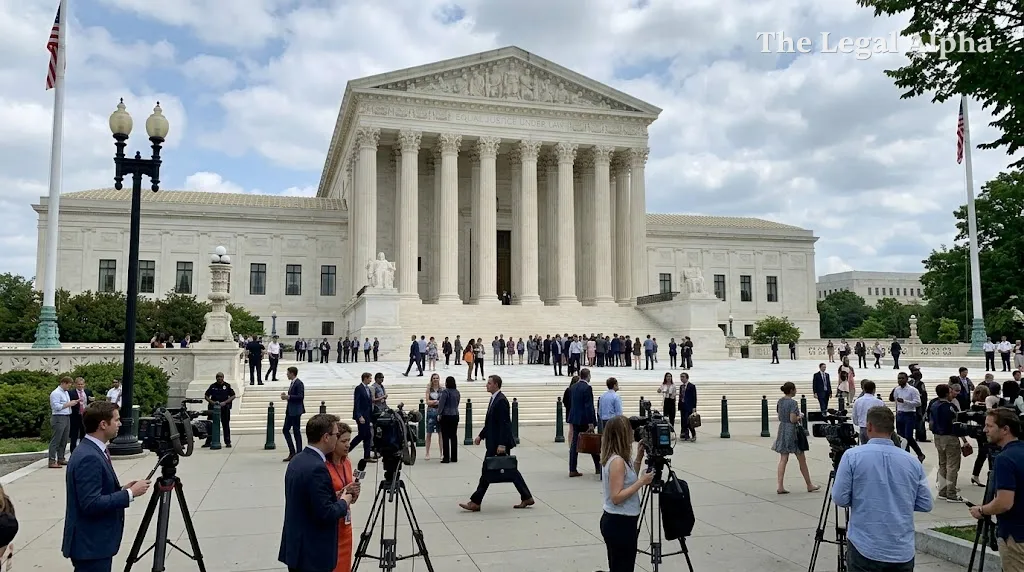
The ruling followed an abrupt weekend operation in which the National Park Service and contractors felled approximately 430 trees across the public golf grounds. The administration filed notice with the court shortly before 5:00 p.m. on a Friday before a holiday weekend, then proceeded with tree removal before opponents had an opportunity to seek judicial intervention. During an emergency hearing, U.S. District Judge Ana Reyes rebuked Department of Justice counsel for evading judicial oversight and ordered all work halted while the court evaluates a broader injunction.
Legal Topic
Area of Law: Administrative Law / Environmental and Historic Preservation
Sub-topic: Preliminary Injunctions and Agency Compliance Pending Judicial Review
Core Legal Issue
The dispute centers on whether federal agencies can execute irreversible physical alterations to a historic public property under the banner of ordinary park maintenance while litigation challenging the overhaul is actively pending.
The legal question before the district court is whether the government’s rapid felling of hundreds of mature trees violates statutory review mandates under federal preservation and environmental laws—and whether executing those alterations without reasonable advance notice to litigants constitutes bad-faith gamesmanship warranting immediate injunctive relief.
What Did the Court Decide?
Judge Ana Reyes granted an emergency temporary restraining order barring the federal government and the National Park Service from felling or removing any further trees at East Potomac Golf Links until at least late October.
The court set an expedited briefing schedule, requiring preservationist groups to file their formal motion for a longer-term preliminary injunction and ordering the government to respond promptly. During oral arguments, the court warned that any further unannounced structural activities or deployments of heavy machinery would trigger immediate summonses for underlying agency records and officials. The underlying merits of the preservation lawsuit remain undecided.
Key Legal Points
-
Preservation of the Res: Courts retain inherent equitable authority to freeze agency action when unilateral executive measures threaten to permanently moot the controversy through irreversible physical damage.
-
Duty of Candor and Timely Notice: Federal agencies that offer assurances during ongoing litigation are subject to rigorous standards of candor; filing notices at the close of business preceding a long weekend to execute pre-emptive work undermines procedural due process.
-
Maintenance Versus Redevelopment: Categorizing large-scale demolition as "routine maintenance" does not shield an agency from judicial review where the physical work materially furthers an unapproved master renovation.
-
Statutory Compliance Checks: Ongoing historic preservation review procedures cannot be bypassed by segmenting demolition from the overall construction agenda.
Relevant Law
-
Administrative Procedure Act (APA), 5 U.S.C. §§ 701–706: Governs judicial review of federal agency conduct and empowers courts to set aside arbitrary, capricious, or unlawful agency actions.
-
National Historic Preservation Act (NHPA), Section 106 (54 U.S.C. § 306108): Mandates that federal agencies assess the potential effects of proposed undertakings on historic properties and consult with local preservation officials prior to initiating work.
-
Federal Rule of Civil Procedure 65: Outlines standard procedural mechanisms and requirements for temporary restraining orders and preliminary injunctions.
Arguments of the Parties
Petitioners / Preservation Groups
The preservation and civic organizations argued that the administration engaged in a bad-faith effort to create irreversible facts on the ground. They contended that cutting hundreds of historic trees without completing mandatory environmental assessments and Section 106 historical preservation reviews violates federal statutory safeguards and permanently disfigures a landmark public park before the courts can adjudicate the legality of the master plan.
Respondents / Federal Government
The Department of Justice maintained that the tree removals fell within existing property authority and did not constitute an unapproved renovation. Government counsel submitted that the activity was carried out pursuant to existing park planning guidelines and standard maintenance discretion under National Park Service management, asserting that the court should not micromanage day-to-day federal land stewardship.
Why Does It Matter?
This conflict underscores the boundaries between executive prerogative over federal public lands and the supervisory authority of Article III courts. When an administration utilizes late-Friday disclosures to carry out physical demolitions over weekends, it tests the limits of the court's power to maintain the status quo.
Beyond the immediate battle over East Potomac Golf Links, the case highlights the legal risks facing federal agencies when they attempt to rebrand contested construction initiatives as exempt "routine upkeep". The decision reinforces that federal judges will not hesitate to issue swift restraining orders if an agency’s litigation tactics appear aimed at evading judicial review before a full hearing on the merits.
Legal Takeaway
Government agencies litigating regulatory challenges cannot bypass judicial oversight by rapidly executing irreversible site work during procedural lulls. Federal courts will exercise their emergency equitable powers to halt executive action when transparency fails and the subject matter of the dispute faces immediate destruction.
Sources
Primary Source:
-
Emergency Motion and Hearing Proceedings before U.S. District Judge Ana Reyes, United States District Court for the District of Columbia (October 2026).
Additional Sources:
-
U.S. Department of the Interior & National Park Service Regulatory Filings.
-
National Historic Preservation Act (54 U.S.C. § 306108) Statutory Framework.