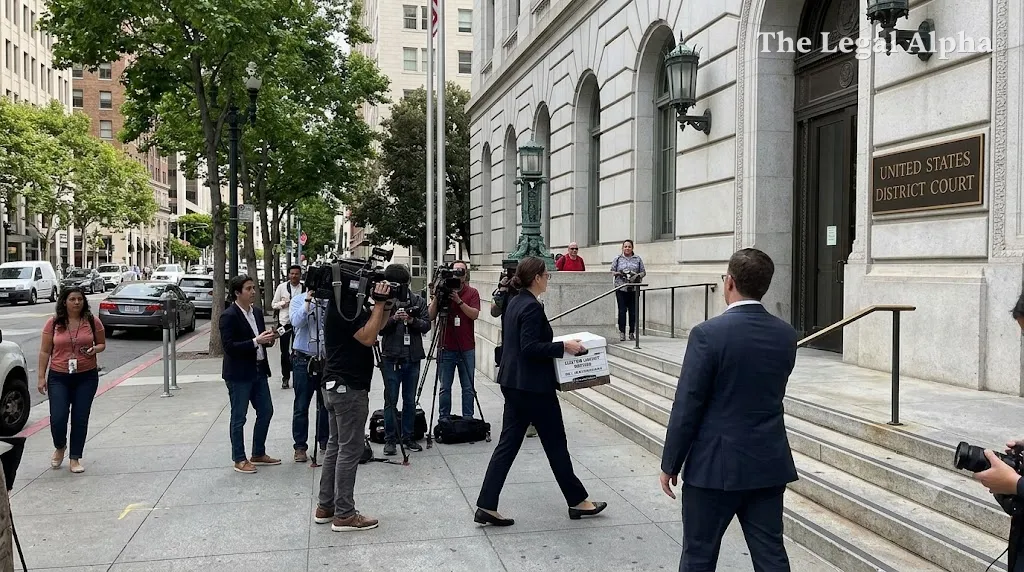
Former FBI Personnel Challenge Dismissals Over Mar-a-Lago Investigation, Alleging Unlawful Executive Retaliation
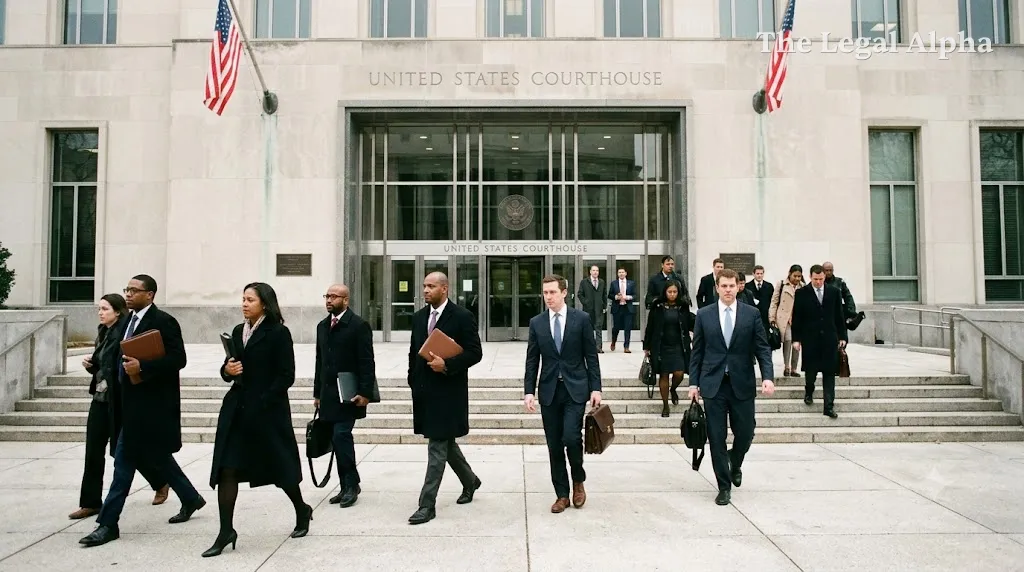
Nine former Federal Bureau of Investigation personnel—including special agents, intelligence analysts, and operational specialists—have initiated a civil action in the U.S. District Court for the District of Columbia challenging their abrupt dismissals. The plaintiffs had previously participated in the federal criminal inquiry concerning the mishandling of classified national defense records recovered from former President Donald Trump's Mar-a-Lago estate.
Following terminations carried out in February under the direction of FBI Director Kash Patel, the plaintiffs allege that their dismissals were devoid of statutory procedure, internal inquiry, or standard administrative review. They contend the actions represented an unlawful campaign of executive retribution aimed at punishing civil servants for fulfilling lawful investigative duties.
Legal Topic
Area of Law: Administrative & Constitutional Law
Sub-topic: Federal Civil Service Protections / Executive Article II Authority / Due Process
Core Legal Issue
The dispute centers on whether the leadership of an executive agency can summarily terminate career civil servants on the basis of presidential authority under Article II of the U.S. Constitution without adhering to established statutory removal standards and procedural due process.
The court must decide whether the terminations violated the Fifth Amendment's Due Process Clause and the Civil Service Reform Act framework, and whether personnel dismissals motivated by an employee's lawful participation in sensitive political investigations constitute impermissible retaliation under federal law.
What Did the Court / Authority Decide?
The action is currently at its originating stage in federal district court; no final substantive ruling, injunctive relief, or dispositive order has been issued.
The plaintiffs have formally petitioned the court to declare their terminations unlawful, order immediate reinstatement to their prior roles, and award retroactive back pay and compensatory relief. The defendants—including agency leadership and the Department of Justice—will be required to file a responsive pleading or motion addressing the constitutional and statutory claims.
Key Legal Points
-
Procedural Safeguards: Federal personnel protections generally require adequate notice, cause, and a formal opportunity to respond before career civil service employees can be terminated.
-
Executive Authority Scope: Agency leadership asserts broad supervisory discretion under Article II of the Constitution to manage executive branch personnel, challenging the extent of legislative civil service restrictions over executive agency staffing.
-
Retaliatory Claims: The complaint tests whether dismissing career personnel based on imputed political motivations or participation in official investigations infringes upon protected speech and statutory whistleblower/procedural protections.
Relevant Law
-
U.S. Constitution, Fifth Amendment: Guarantees procedural due process against the arbitrary deprivation of constitutionally protected property and liberty interests in career employment.
-
U.S. Constitution, Article II: Pertains to the scope and limits of the President's executive removal powers over subordinate executive officers and agency staff.
-
Civil Service Reform Act (CSRA) & 5 U.S.C. Chapter 75: Sets statutory standards governing adverse personnel actions, procedural notice, and removal mechanisms across the federal government.
-
Title VII / Whistleblower Protections: Governing anti-retaliation principles for federal employees carrying out lawful regulatory or investigative mandates.
Arguments of the Parties
Plaintiffs / Former Employees
The plaintiffs argue that their summary firing bypassed all statutory disciplinary channels, formal internal affairs reviews, and notice-and-appeal requirements. Represented by legal counsel, they contend the administration dismissed them without showing legitimate cause, improperly punishing them for executing lawful court-authorized search warrants and criminal investigative duties.
Defendants / Department of Justice & Agency Leadership
While the formal government response is pending in court, agency leadership has publicly defended dismissals of this nature by asserting that former personnel improperly politicized and weaponized federal law enforcement operations. Leadership maintains that the executive branch holds inherent constitutional authority under Article II to remove employees whose conduct undermines the agency's mission and executive priorities.
Why Does It Matter?
This lawsuit directly tests the legal resilience of the nonpartisan federal civil service against unilateral executive restructuring. A decision on the merits could clarify whether career law enforcement agents retain enforceable due process protections when tasked with politically sensitive investigations involving executive branch officials. If agency leadership's exercise of summary removal is upheld under broad Article II theories, it could establish a legal precedent enabling future administrations to dismiss career personnel without following traditional administrative procedures. Conversely, a ruling favoring the plaintiffs would reaffirm the boundary between career civil service roles and discretionary political appointments.
Legal Takeaway
Career federal law enforcement officers are shielded by statutory and constitutional due process safeguards that require established procedure and cause prior to termination. This litigation will clarify whether executive removal powers can supersede civil service statutes when personnel are dismissed over politically sensitive inquiries.
Sources
-
Primary Source: Verified Complaint filed in the United States District Court for the District of Columbia (Nine Former FBI Personnel v. Federal Bureau of Investigation, et al.).
-
Additional Sources: U.S. Civil Service Reform Act statutory text (5 U.S.C. §§ 7501 et seq.); congressional testimony and public filings by the Federal Bureau of Investigation and U.S. Department of Justice.