Federal Judge Halts Border Barrier Construction in Big Bend National Park, Freezing Sweeping Federal Environmental Waivers
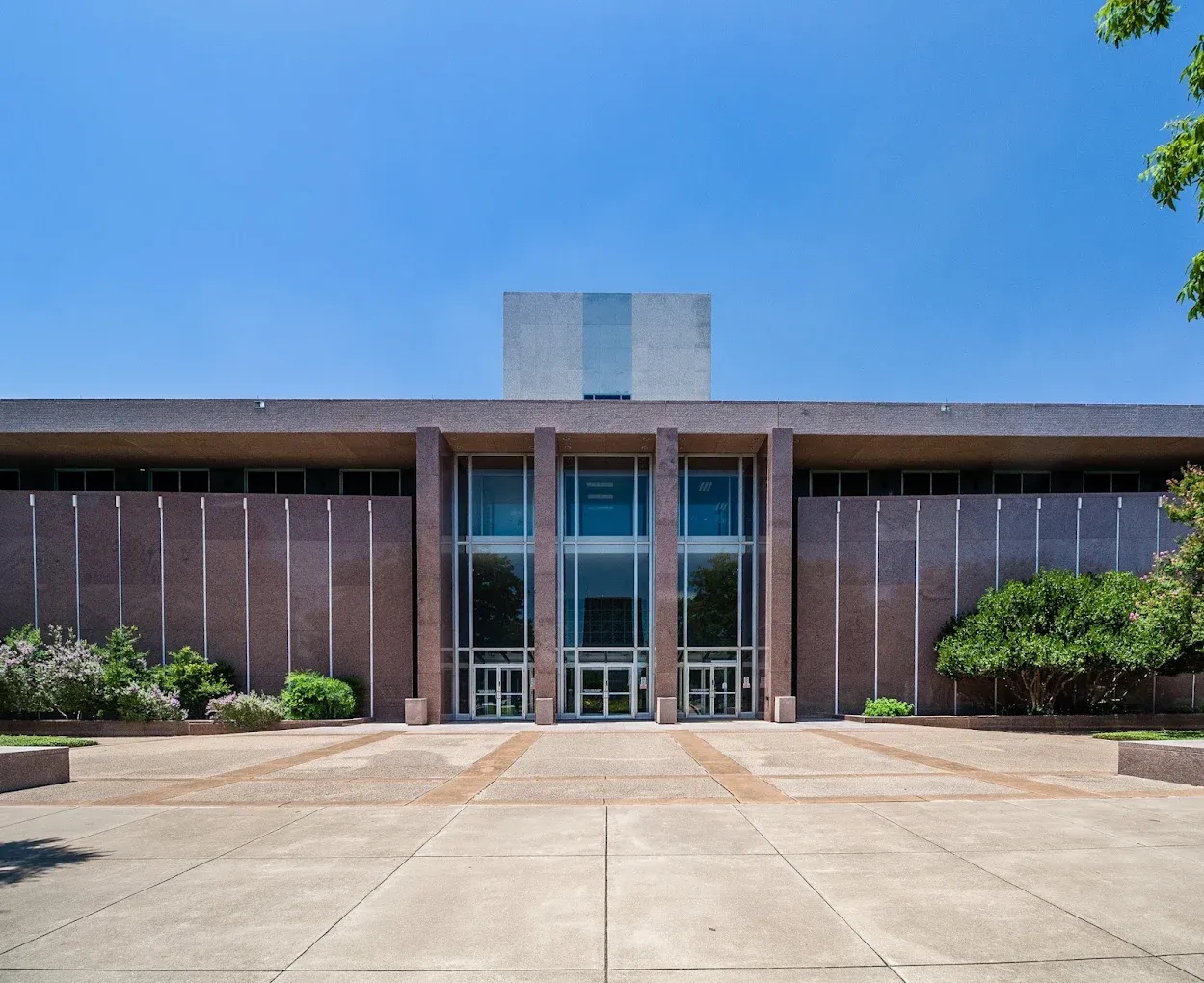
A federal district judge in Texas has issued a preliminary injunction that brings federal border wall construction across the Big Bend sector to an immediate halt. U.S. District Judge Kathleen Cardone of the U.S. District Court for the Western District of Texas barred the Department of Homeland Security (DHS) and U.S. Customs and Border Protection (CBP) from conducting any further ground-disturbing activities or installing barrier infrastructure within Big Bend National Park, Big Bend Ranch State Park, and surrounding border areas.
The ruling stems from a federal lawsuit filed by the Center for Biological Diversity, the historic preservation group Friends of the Ruidosa Church, and a local river guide and landowner. The plaintiffs challenged the administration's decision to bypass dozens of foundational environmental, cultural, and administrative statutes via statutory waivers in order to expedite construction through some of the nation's most remote and ecologically sensitive canyonlands.
Legal Topic
Area of Law:
Administrative Law / Environmental & Public Lands Law
Sub-topic:
Executive Statutory Waivers / Preliminary Injunctions / Federal Land Management
Core Legal Issue
The core legal question is whether the Department of Homeland Security lawfully exercised its statutory waiver authority under federal immigration statutes to set aside comprehensive environmental, cultural, and administrative requirements across federally protected public lands.
At the preliminary injunction stage, the court had to evaluate whether the plaintiffs demonstrated a substantial likelihood of success on claims that DHS exceeded statutory boundaries or acted arbitrarily under the Administrative Procedure Act, and whether ongoing earth-moving activities in fragile riparian and desert ecosystems would inflict irreparable injury before the court could render a final judgment on the merits.
What Did the Court / Authority Decide?
Judge Cardone granted the plaintiffs' motion for a preliminary injunction after a multi-hour evidentiary hearing in El Paso. The court found that the plaintiffs established all four required elements for emergency equitable relief: a substantial likelihood of prevailing on the merits of at least one underlying legal claim, a demonstrable threat of irreparable harm absent judicial intervention, and that the balance of hardships and the public interest favored pausing construction.
The order immediately prohibits DHS, CBP, and their contractors from continuing barrier building, road cutting, or any related ground-disturbing projects across the entire 500-mile Big Bend sector until the government complies with applicable federal laws. The judge also stayed the implementation of three administrative waivers published by the administration that had authorized the expedited work. The ruling is an interlocutory order that freezes construction to protect the status quo; the underlying legal claims concerning the validity and permanent scope of the waivers remain pending for full adjudication.
Key Legal Points
-
Satisfaction of the Injunction Standard: The court held that plaintiffs met the high evidentiary threshold for preliminary equitable relief by establishing a likelihood of success on the merits on their statutory challenges to the executive waivers.
-
Irreparable Ecological Harm: Heavy equipment operation and land grading inside protected canyon habitats and river ecosystems along the Rio Grande cause permanent physical harm that cannot be remedied by post-trial monetary damages.
-
Suspension of Administrative Waivers: The court formally stayed the legal effect of three DHS waivers that had bypassed environmental reviews, pausing their authority across the sector.
-
Broad Geographic Application: Rather than limiting the injunction to specific surveyed parcels, the pause extends across the full Big Bend sector, encompassing both national and state park lands.
Relevant Law
-
Section 102 of the Illegal Immigration Reform and Immigrant Responsibility Act of 1996 (IIRIRA), as amended by the REAL ID Act of 2005 (8 U.S.C. § 1103 note): Grants the Secretary of Homeland Security discretionary authority to waive federal laws to expedite the construction of border barriers and roads.
-
Administrative Procedure Act (APA), 5 U.S.C. §§ 701–706: Governs standard judicial review of agency actions, requiring courts to set aside agency determinations found to be arbitrary, capricious, or outside statutory authority.
-
National Environmental Policy Act (NEPA), 42 U.S.C. § 4321 et seq.: Mandates environmental assessments and environmental impact statements for major federal actions affecting public lands.
-
National Park Service Organic Act, 54 U.S.C. § 100101 et seq.: Directs the National Park Service to conserve natural scenery, wildlife, and historic objects unimpaired for future generations.
-
Winter v. Natural Resources Defense Council, Inc., 555 U.S. 7 (2008): Sets forth the binding four-factor equitable standard required to obtain a preliminary injunction in federal court.
Arguments of the Parties
Plaintiffs (Center for Biological Diversity, Friends of the Ruidosa Church, and Local Landowners)
The plaintiffs argued that DHS unlawfully issued sweeping waivers without adhering to statutory preconditions or demonstrating genuine operational need in one of the most remote regions of the southern border. They presented testimony showing that heavy bulldozing, road excavation, and barrier installation would cause immediate, catastrophic destruction to delicate riparian habitats, protected plant and animal species, and local ecotourism enterprises that depend on Rio Grande access. Furthermore, they contended that the natural cliff and canyon terrain of Big Bend already serves as an effective natural barrier, rendering the sudden administrative waiver of environmental laws arbitrary and unjustified.
Defendants (U.S. Department of Homeland Security and Federal Officials)
The federal government contended that Congress granted the Secretary of Homeland Security sweeping and discretionary waiver power under Section 102 of IIRIRA to construct physical barriers and access infrastructure to enforce border security. Defense counsel maintained that executive determinations regarding border enforcement, national security priorities, and infrastructure placement supersede procedural environmental requirements and are largely shielded from judicial second-guessing.
Why Does It Matter?
This decision places a meaningful check on the executive branch's use of REAL ID Act waivers to circumvent federal environmental and administrative requirements inside designated national parks. While federal agencies have historically utilized waiver provisions across urbanized or degraded sections of the southern border, extending those waivers into remote national parks and state conservation areas has generated substantial legal friction.
The ruling demonstrates that federal courts will closely examine whether statutory conditions and administrative limits have been observed, even when national security and border management authorities are invoked. For local communities, conservation groups, and recreation industries, the preliminary injunction safeguards unique public lands from irreparable physical alteration while the courts resolve the constitutional and statutory validity of sweeping executive waivers.
Legal Takeaway
Statutory waiver provisions granted to federal agencies are not unconstrained from judicial review when their invocation threatens irreversible physical and environmental injury. Where plaintiffs make a credible preliminary showing that administrative authorities exceeded their legal mandate, federal courts will issue emergency equitable relief to maintain the status quo and protect sensitive public resources pending final trial.
Sources
Primary Source:
Friends of the Ruidosa Church et al. v. Mullin et al., No. 3:26-cv-00140, Order Granting Preliminary Injunction (W.D. Tex. Oct. 2, 2026) (Cardone, J.).
Additional Sources:
-
Illegal Immigration Reform and Immigrant Responsibility Act of 1996 (IIRIRA) § 102, as amended by the REAL ID Act of 2005, 8 U.S.C. § 1103 note.
-
Court docket records and hearing filings, U.S. District Court for the Western District of Texas (El Paso Division).
-
Public statements and case briefs from the Center for Biological Diversity and U.S. Customs and Border Protection regarding the Big Bend Sector barrier projects.