Delhi High Court Gives AAP Leaders Final Deadline to Respond in Criminal Contempt Case
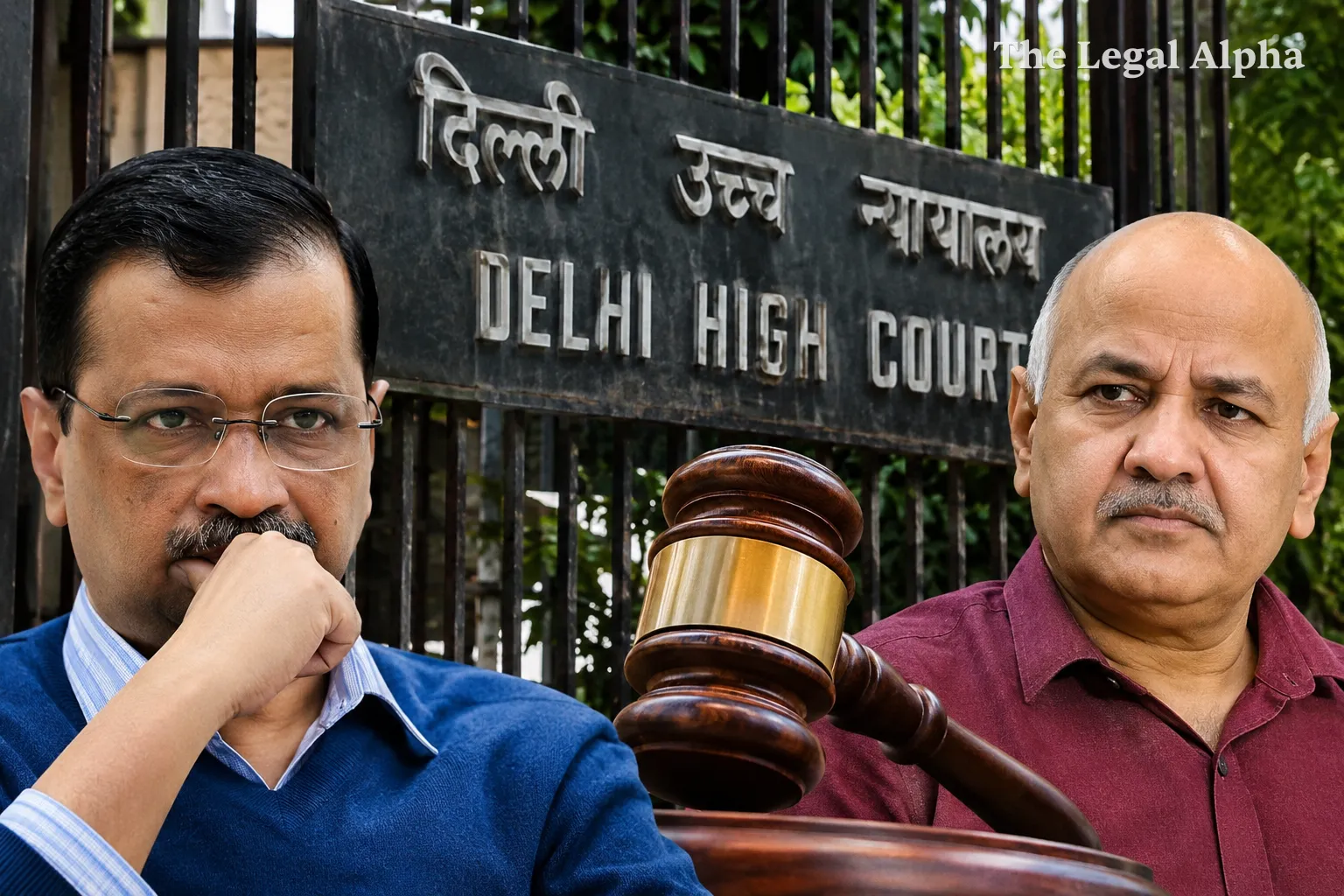
The Delhi High Court has granted Arvind Kejriwal, Manish Sisodia and other Aam Aadmi Party (AAP) leaders a final three-week opportunity to file their responses in criminal contempt proceedings arising from alleged social media attacks against Justice Swarana Kanta Sharma. The Bench warned that failure to submit replies within the deadline could result in their right to respond being closed.
What Happened?
On November 17, 2026, a Division Bench of Justices Navin Chawla and Arun Bhardwaj expressed displeasure over the delay in filing responses by the AAP leaders in the suo motu criminal contempt case. The Court said the Registry had confirmed that the relevant documents had been supplied, rejecting requests for further time.
The proceedings concern alleged social media posts and statements targeting Justice Swarana Kanta Sharma in connection with her handling of proceedings relating to the Delhi excise policy case. The High Court granted the respondents three weeks to file their replies, warning that no further extension would be granted.
Area of Law
Area of Law: Contempt of Court
Sub-topic: Criminal Contempt / Scandalising the Judiciary / Judicial Independence
Core Legal Issue
The central issue is whether statements, online posts and other communications allegedly targeting a sitting judge and the judicial process may constitute criminal contempt of court by undermining public confidence in the judiciary or interfering with the administration of justice.
The proceedings also raise a procedural question concerning the opportunity afforded to the respondents to present their defence before the Court proceeds further with the contempt case.
What Did the Court Direct?
The High Court granted the respondents a final three-week period to file their replies and made clear that their right to submit responses could be closed if they failed to comply.
The Bench reportedly declined to grant another extension after referring to the Registry's report that the relevant material had already been supplied. The Court's remarks reflected its displeasure with the repeated delays in the proceedings.
The direction is procedural; it does not amount to a finding that the respondents have committed contempt.
Key Legal Points
-
The High Court has provided a final three-week opportunity for filing replies.
-
The proceedings are criminal contempt proceedings initiated suo motu.
-
The case concerns alleged online remarks and posts directed at Justice Swarana Kanta Sharma.
-
The Court has warned that failure to respond within the prescribed period could result in the respondents losing their right to file replies.
-
The contempt allegations remain to be adjudicated; the latest direction does not decide the merits of the case.
Relevant Law
The proceedings concern the law of criminal contempt under the Contempt of Courts Act, 1971, particularly the statutory framework governing acts that interfere with, obstruct or undermine the administration of justice.
The relevant legal framework includes:
-
Section 2(c), Contempt of Courts Act, 1971 – defines criminal contempt, including publications or acts that scandalise or tend to scandalise a court, prejudice judicial proceedings, or interfere with the administration of justice.
-
Section 15, Contempt of Courts Act, 1971 – provides the procedure for taking cognizance of criminal contempt, including cases initiated on the court's own motion.
The precise statutory provisions and any additional legal authorities relied upon in the underlying order would require verification from the court's order itself.
Arguments of the Parties
Respondents / AAP Leaders
Counsel for some of the respondents reportedly raised concerns about the availability or completeness of documents forming part of the contempt proceedings. The Court indicated that such objections could be raised in the replies rather than used to seek further extensions.
Court's Position
The Bench relied on the Registry's report regarding supply of the case material and declined to grant additional time, insisting that the respondents file their replies within the final deadline.
Why Does It Matter?
The proceedings highlight the tension between freedom of expression, criticism of judicial proceedings and the protection of public confidence in the administration of justice.
The case is also a reminder that criminal contempt proceedings require judicial consideration of the nature, context and legal impact of the alleged conduct. At this stage, the High Court's direction concerns the procedural progress of the case and the filing of responses, rather than a final determination of liability.
The outcome may provide further clarity on how courts approach allegations involving public commentary about judges and pending judicial proceedings, subject to the legal and factual findings ultimately made.
Legal Takeaway
The Delhi High Court has given the AAP leaders a final opportunity to place their defence on record in the criminal contempt proceedings. The allegations remain pending, and the next stage will depend on the responses filed and the Court's subsequent consideration of the matter.
Sources
Primary Source: Delhi High Court order in the contempt proceedings dated November 17, 2026 — the original order was not independently located or verified.
Additional Sources: