Calcutta High Court Initiates Criminal Contempt Proceedings Against TMC MP Abhishek Banerjee Over Remarks Questioning Judicial Impartiality
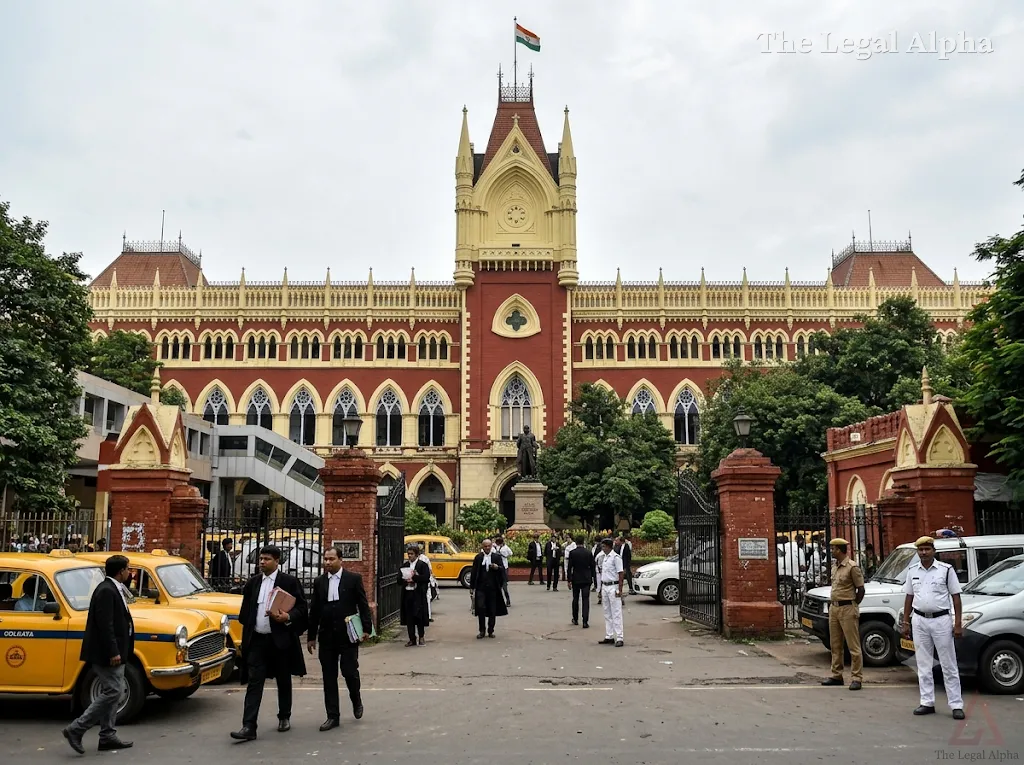
The Calcutta High Court has issued a criminal contempt show-cause notice to Trinamool Congress (TMC) Member of Parliament Abhishek Banerjee following public statements and a social media post in which he allegedly questioned the political neutrality of judges.
According to court proceedings reported by legal news outlet LawBeat, the controversy emerged during the hearing of Banerjee’s petition challenging the West Bengal government's decision to downgrade his official security cover. During the proceedings, the State brought a November 7 social media post and a recorded interview to the Court's attention, alleging that the Diamond Harbour MP had suggested that certain judges were aligned with or acting under pressure from the Bharatiya Janata Party (BJP). Taking serious note of the material placed on record, a Single Bench of Justice Krishna Rao initiated suo motu (on its own motion) criminal contempt proceedings on November 17, 2026.
Legal Topic
Area of Law: Constitutional and Criminal Law
Sub-topic: Criminal Contempt of Court / Judicial Independence
Core Legal Issue
The core legal question before the Calcutta High Court is whether public remarks and social media commentary made by an elected representative—alleging political bias and external political pressure within the judiciary while a personal petition is pending—scandalize the authority of the court or interfere with the due administration of justice, thereby constituting ex facie criminal contempt.
What Did the Court / Authority Decide?
Justice Krishna Rao held that the statements and the November 7 Facebook post attributed to Banerjee prima facie amounted to interference with the administration of justice and constituted ex facie criminal contempt.
The Court issued the following directions:
-
Show-Cause Notice: Banerjee has been directed to submit a written explanation within 15 days stating why appropriate punishment should not be imposed on him for criminal contempt.
-
Next Hearing: The contempt matter has been listed for further hearing on December 8, 2026.
-
Separate Security Direction: Treating the contempt issue separately from the underlying writ petition, Justice Rao directed the West Bengal Home Department and its security review committee to convene within two weeks to assess Banerjee's threat perception and decide whether his security cover needs enhancement.
At this stage, the High Court has only formed a prima facie view and issued a preliminary notice; it has not arrived at a final finding of guilt or imposed any penalty.
Key Legal Points
-
Threshold for Criminal Contempt: Under Indian contempt jurisprudence, statements that impute political motives to judges or suggest that judicial delays are driven by political alignment can be treated as scandalizing the court and lowering its authority in the eyes of the public.
-
Suo Motu Cognizance: High Courts possess the constitutional and statutory power to initiate contempt proceedings on their own motion when objectionable material concerning pending proceedings is brought to their notice.
-
Segregation of Proceedings: Even when a litigant makes controversial remarks regarding a pending case, courts separate the adjudication of the substantive relief (here, the security review) from collateral contempt proceedings to ensure fair consideration of the underlying petition.
-
Standard of Public Discourse: The Bench underscored that public representatives hold a position of responsibility and must exercise restraint when commenting on the functioning and impartiality of the judiciary.
Relevant Law
-
Article 215 of the Constitution of India: Recognizes every High Court as a court of record having all the powers of such a court, including the power to punish for contempt of itself.
-
The Contempt of Courts Act, 1971 (Section 2(c) and Section 15): Defines "criminal contempt" to include the publication of any matter—by words, spoken or written, or by visible representation—that scandalizes or tends to scandalize, lowers the authority of any court, or prejudices and interferes with the due course of any judicial proceeding, and outlines the procedure for taking cognizance.
Arguments of the Parties
State / Opposing Party
Representing the State of West Bengal, Additional Advocate General Billwadal Bhattacharyya placed the transcript and a recording of Banerjee’s interview before the Bench. The State contended that the MP’s remarks cast direct aspersions on the impartiality of judges and sought to undermine public confidence in the judiciary. The State further submitted that the nature of the comments warranted the issuance of a formal contempt motion rather than a mere show-cause notice.
Respondent / Alleged Contemnor
During the hearing, Banerjee’s counsel opposed the State's submissions, arguing that the interview had no bearing on the merits of the security-related writ petition and sought to contextualize the remarks around his client's concerns regarding alleged threats and attacks on his residence and family. Outside the court, Banerjee maintained that as an elected Member of Parliament, he holds a constitutional right to question judicial functioning, clarifying that while he believed certain judges were operating under political pressure, he had not claimed they were aligned with a political party.
Why Does It Matter?
The development highlights the recurring friction in Indian constitutional law between an elected representative’s freedom of speech—including the right to critique public institutions—and the judiciary’s power to protect its institutional integrity from allegations of political partisanship. In an era where court proceedings and political commentary frequently intersect on social media, the case serves as a reminder that digital posts and media interviews concerning sub-judice matters can attract strict legal scrutiny. For litigants and public figures alike, the order clarifies that while courts may continue to hear a party's substantive legal claims on merit, collateral attacks on the neutrality of the bench will be dealt with independently under contempt law.
Legal Takeaway
While citizens and elected representatives are entitled to critique judicial outcomes, attributing political bias or external allegiance to judges over pending cases crosses the legal boundary into criminal contempt. Litigants must keep grievances confined to formal legal pleadings rather than questioning the neutrality of the bench in public forums.
Sources
Primary Source:
Oral Order dated November 17, 2026, passed by the Single Bench of Justice Krishna Rao, High Court at Calcutta (initiating suo motu criminal contempt proceedings and issuing show-cause notice).
Additional Sources:
-
LawBeat Report: Calcutta HC Issues Criminal Contempt Show-Cause Notice To TMC's Abhishek Banerjee Over Judges "With BJP" Remark (November 17, 2026)
-
The Indian Express: TMC's Abhishek Banerjee defends remarks after Calcutta High Court issues show-cause for criminal contempt (November 18, 2026)
-
The Times of India: ‘Criminal contempt’: Calcutta High Court issues show-cause notice to Abhishek Banerjee over remarks against court (November 17, 2026)