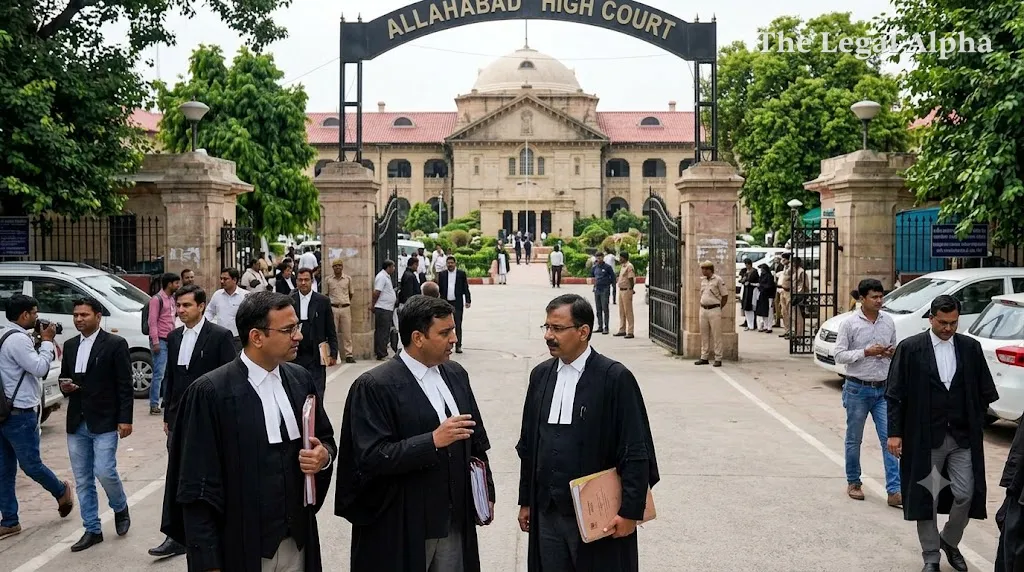
Delhi Court Refuses Bail to Former Senior Health Bureaucrats in ₹842-Crore Medical Procurement Scam, Notes Economic Offences Fall in a Distinct Class
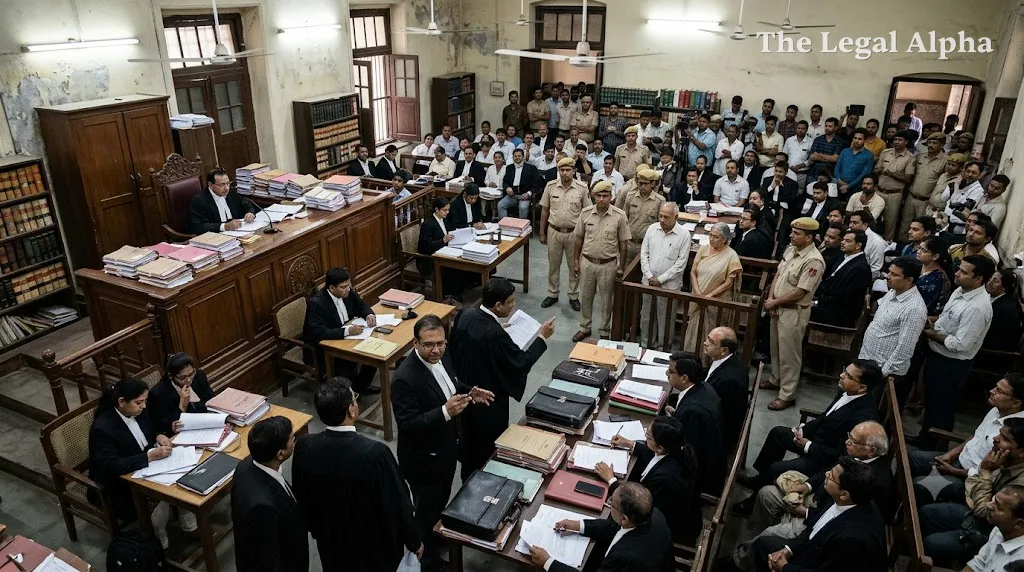
A designated anti-corruption court in Delhi has rejected the regular bail applications of two former senior health officials: Dr. Vatsala Aggarwal, former Director General of Health Services (DGHS), and Dr. Vinod Kumar Ranga, former head of the Central Procurement Agency (CPA). Both officials were arrested by the Delhi Anti-Corruption Branch (ACB) in connection with an alleged ₹842-crore medical equipment and consumable procurement scam.
The prosecution alleges that during their tenure, the accused bypassed mandatory public procurement guidelines on the Government e-Marketplace (GeM), altered tender specifications to favor private distributor Rajeev Rangila and his associates, expedited payments, and caused significant financial losses to the public exchequer. Given the gravity of the economic offences and the influence the accused could exert over witnesses and evidence, the court ruled that neither applicant qualified for discretionary relief at this stage.
Legal Topic
-
Area of Law: Criminal Law / Anti-Corruption Law
-
Sub-topic: Bail Jurisprudence in Socio-Economic Offences & Public Procurement Fraud
Core Legal Issue
The core question before the court was whether high-ranking public servants accused of orchestrating large-scale public procurement fraud involving deep financial repercussions could be admitted to regular bail, particularly where primary chargesheets have been tendered but procedural evidence and potential witness tampering risks remain active.
The court specifically had to balance individual liberty and health grounds against established jurisprudence governing socio-economic offences, which treats large-scale corruption against public funds as a category distinct from standard penal crimes.
What Did the Court Decide?
The court dismissed the regular bail applications of both Dr. Vinod Kumar Ranga and Dr. Vatsala Aggarwal.
Rejecting the argument that Dr. Aggarwal deserved bail on medical grounds, the court observed that her ongoing ailments could be sufficiently managed and treated within the specialized medical framework of Tihar Jail and referral government hospitals. Addressing the broader bail plea, the court found merit in the ACB's submission that the apprehension of tampering with records or influencing subordinate witnesses was real and non-theoretical, given the senior administrative positions previously occupied by both applicants. The court emphasized that the ongoing trial and continuing scrutiny of financial trails warranted keeping the accused in judicial custody.
Key Legal Points
-
Economic Offences as a Distinct Class: Citing apex court precedents, the court reiterated that economic offences causing massive losses to public funds form a class apart, necessitating stricter judicial scrutiny during bail evaluation compared to conventional offences.
-
Witness and Evidentiary Vulnerability: When senior administrative figures are charged with institutional misconduct, the court recognized that the risk of influencing junior officials or altering administrative documents remains an active ground to refuse regular bail.
-
Medical Relief vs. Custodial Health Care: Where an accused's medical condition is manageable within the state's prison medical infrastructure, medical grounds alone do not entitle an accused in a major corruption prosecution to regular release.
-
Collective Decision Defense: The court did not accept the defense that collective committee approvals shield supervisory officers from individual scrutiny when prime facie manipulations and file disappearances are directly attributed to them.
Relevant Law
-
Prevention of Corruption Act, 1988: Section 7A (taking undue advantage to influence a public servant by corrupt or illegal means) and related substantive corruption provisions.
-
Bharatiya Nyaya Sanhita, 2024 (BNS): Section 61(2) (criminal conspiracy) alongside corresponding provisions dealing with public servant misconduct and financial misappropriation.
-
Supreme Court Precedents on Bail in Economic Offences: Principles established in decisions such as State of Bihar v. Amit Kumar (2017) and P. Chidambaram v. Directorate of Enforcement (2019), governing custody parameters in multi-crore public exchequer frauds.
Arguments of the Parties
Applicants / Accused
Counsel for the applicants submitted that:
-
The procurement decisions were not unilateral actions but collective determinations made by duly constituted purchase and evaluation committees.
-
The equipment, including portable X-ray units, linens, and ORS sachets, had been duly supplied and procured at rates comparable to other state health departments.
-
Dr. Aggarwal suffered from severe medical conditions requiring specialized outpatient care, warranting humanitarian release.
-
The investigation has largely stabilized with formal chargesheets submitted, eliminating the necessity for continued incarceration.
Prosecution / Anti-Corruption Branch (ACB)
The prosecution contended that:
-
The procurement process was engineered to favor shell firms and specific entities linked to private distributor Rajeev Rangila, completely bypassing GeM norms.
-
Crucial official files and communications had vanished or been willfully withheld from the Directorate of Vigilance during preliminary inquiries.
-
Subordinate officers who raised objections during the tendering phase were removed or transferred, demonstrating clear administrative coercion.
-
The staggering financial magnitude of ₹842 crore directly damaged public healthcare funding, rendering bail inappropriate.
Why Does It Matter?
This decision underscores the judiciary's firm line on anti-corruption enforcement within state procurement ecosystems. By declining to treat committee-level clearances as an absolute shield, the court signals that controlling supervisory officers remain individually culpable when procedures are circumvented to favor cartels.
Furthermore, the ruling reinforces the operational threshold for medical bail: unless a condition presents an acute life-threatening emergency that prison hospital facilities cannot manage, medical grounds will not dilute custody mandates in high-value socio-economic crimes.
Legal Takeaway
Senior bureaucrats facing prosecution for large-scale economic offences cannot rely on collective committee decisions or manageable medical conditions to secure bail where institutional influence and document tampering remain tangible risks. Public procurement procedures carry stringent fiduciary duties, and significant financial losses to the public exchequer will routinely weigh against the grant of discretionary pre-trial liberty.
Sources
-
Primary Source: Order of the Special Judge (PC Act), Anti-Corruption Branch, Rouse Avenue District Courts, New Delhi (In the matter of State (ACB) v. Dr. Vatsala Aggarwal & Dr. Vinod Kumar Ranga).
-
Additional Sources: Reports and investigative updates by the Delhi Anti-Corruption Branch (ACB); Delhi Directorate of Vigilance filings; Press Trust of India (PTI) and National Law Reporting Services.