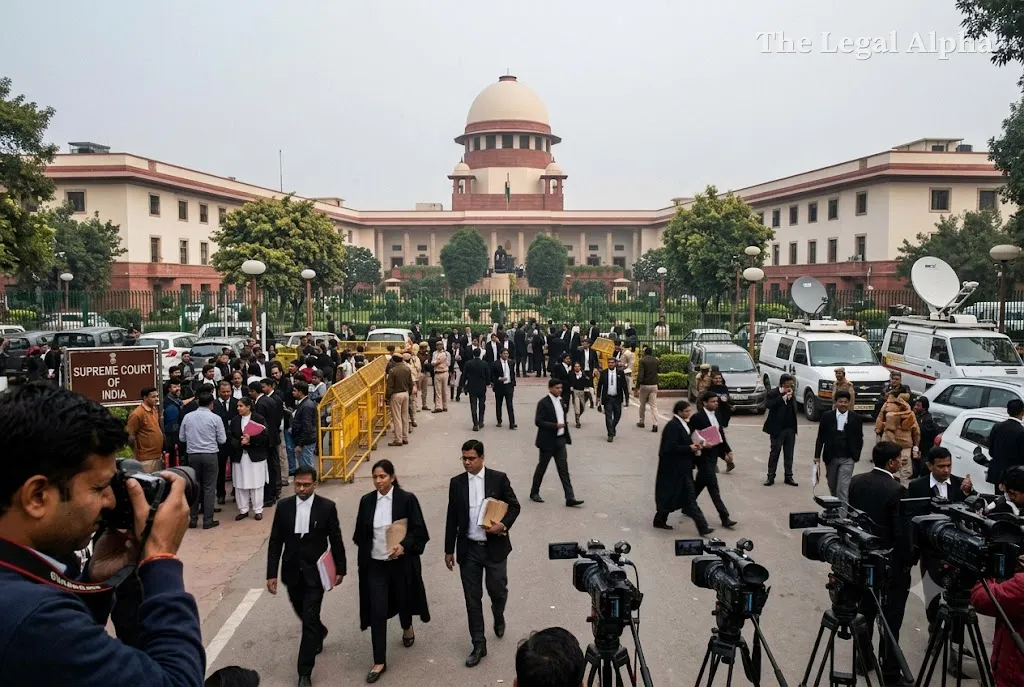
Collegium Under Scrutiny: Executive Influence Overshadows Judicial Appointments, Warns Justice Chandru
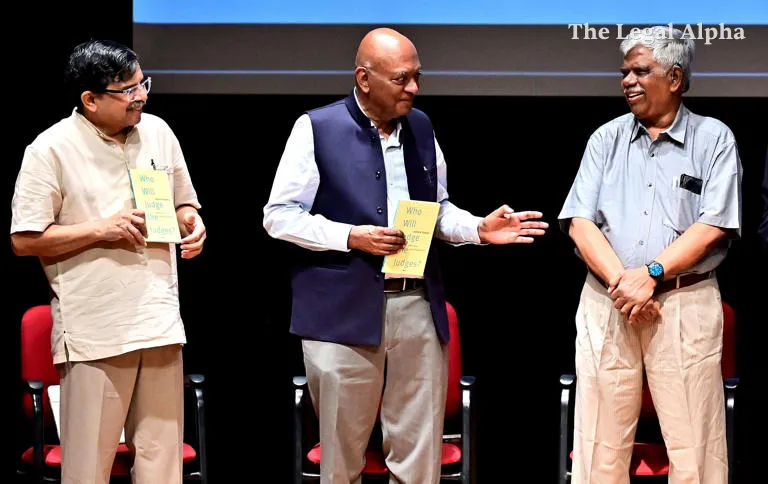
At an academic colloquium titled "Who Will Judge the Judges" held in Chennai by the Asian College of Journalism, former Madras High Court judge Justice K. Chandru raised sharp concerns over the current state of judicial independence in India. Pointing to the practical mechanics of judicial elevations, Justice Chandru observed that despite the institutional existence of the Supreme Court Collegium, higher-judiciary appointments are effectively being dictated by the Union Executive.
The discussion, which anchored the release of Justice Chandru's latest book, brought together legal luminaries—including former Orissa High Court Chief Justice S. Muralidhar and Senior Advocate Raju Ramachandran—to critically evaluate the growing friction between constitutional appointment procedures, transparency deficits, and executive gatekeeping in higher courts.
Legal Topic
-
Area of Law: Constitutional Law
-
Sub-topic: Judicial Appointments / Separation of Powers & Judicial Independence
Core Legal Issue
The controversy centres on the constitutional balance of power under Articles 124(2) and 217(1) of the Constitution of India, specifically addressing whether executive delays, selective clearances, and informal vetoes have functionally eroded the primacy of the judicial Collegium established through the Second and Third Judges Cases.
What Did the Court / Authority Decide?
Because the remarks were delivered at a legal seminar rather than during court proceedings, there is no judicial order or ruling. However, the deliberations highlighted critical observations regarding the systemic deadlock in appointments:
-
Erosion of Collegium Primacy: Panelists noted that the executive has increasingly asserted de facto control over judicial appointments by withholding, segregating, or indefinitely sitting on files recommended by the Supreme Court Collegium.
-
Calls for Structural Reform: Speakers emphasised that the existing Collegium model lacks transparency, procedural clarity, and objective selection criteria, leaving it vulnerable to executive leverage and public distrust.
-
Status of Reforms: Although the Supreme Court previously struck down the National Judicial Appointments Commission (NJAC) in 2015, the updated Memorandum of Procedure (MoP) intended to govern appointments remains contested and largely unresolved between the Union Government and the Judiciary.
Key Legal Points
-
Primacy vs. Executive Pocket Veto: While constitutional jurisprudence establishes that reiterated recommendations of the Collegium are binding on the Union Executive, the absence of a legally enforceable timeline enables the government to delay appointments indefinitely.
-
Segregation of Recommendations: The selective clearance of favoured candidates while holding back other names from the same collegium resolution undermines seniority norms and bench independence.
-
Lack of Institutional Transparency: The closed-door nature of the Collegium's deliberations limits accountability, leaving decisions open to criticism from both within and outside the legal system.
-
Separation of Powers: The friction reflects an enduring institutional tussle over which branch of the state retains ultimate control over judicial composition.
Relevant Law
-
Article 124(2), Constitution of India: Governs the appointment of judges to the Supreme Court of India.
-
Article 217(1), Constitution of India: Governs the appointment of judges to High Courts.
-
Supreme Court Advocates-on-Record Association v. Union of India (Second Judges Case, 1993): Established judicial primacy by interpreting "consultation" as "concurrence."
-
Special Reference No. 1 of 1998 (Third Judges Case): Expanded the Collegium mechanism into a multi-member consultative body.
-
Supreme Court Advocates-on-Record Association v. Union of India (NJAC Case, 2015): Struck down the 99th Constitutional Amendment and restored the Collegium framework while directing a revised Memorandum of Procedure.
Arguments of the Parties
Critics of the Current Appointment Process
Justice Chandru and fellow panelists argued that the Collegium system has failed to preserve genuine independence because the executive routinely filters or blocks nominations without judicial resistance. They contended that an opaque internal process weakens the judiciary’s moral authority to counter executive assertiveness.
Union Government / Executive Perspective
The Union Government has consistently maintained that judicial appointments must involve meaningful executive scrutiny, including vetting by intelligence and investigative agencies. Executive representatives argue that an unelected body appointing judges without broad checks and balances conflicts with democratic accountability and parliamentary supremacy.
Why Does It Matter?
Judicial appointments directly shape constitutional adjudication, civil liberties, and regulatory oversight across India. When the executive exercises selective control over elevations or transfers, it raises serious institutional concerns regarding the perceived impartiality of the bench. Furthermore, mounting vacancies resulting from administrative impasses exacerbate severe trial and appellate backlogs, weakening public confidence and delaying access to justice for ordinary litigants.
Legal Takeaway
Constitutional independence requires clear procedural safeguards, not just jurisdictional primacy. Until India establishes a transparent, rule-bound framework with enforceable timelines for judicial appointments, the balance between executive vetting and judicial independence will remain contentious.
Sources
Primary Source:
-
Supreme Court Advocates-on-Record Association & Anr. v. Union of India, (1993) 4 SCC 441; (2016) 5 SCC 1 (NJAC judgment).
-
Articles 124 and 217, Constitution of India.
Additional Sources:
-
Address by Justice K. Chandru (Retd.) at the Asian College of Journalism Colloquium, "Who Will Judge the Judges", Chennai (October 2026).
-
The Times of India & DT Next legal event reports on judicial appointments and Collegium reform discussions (October 2026).