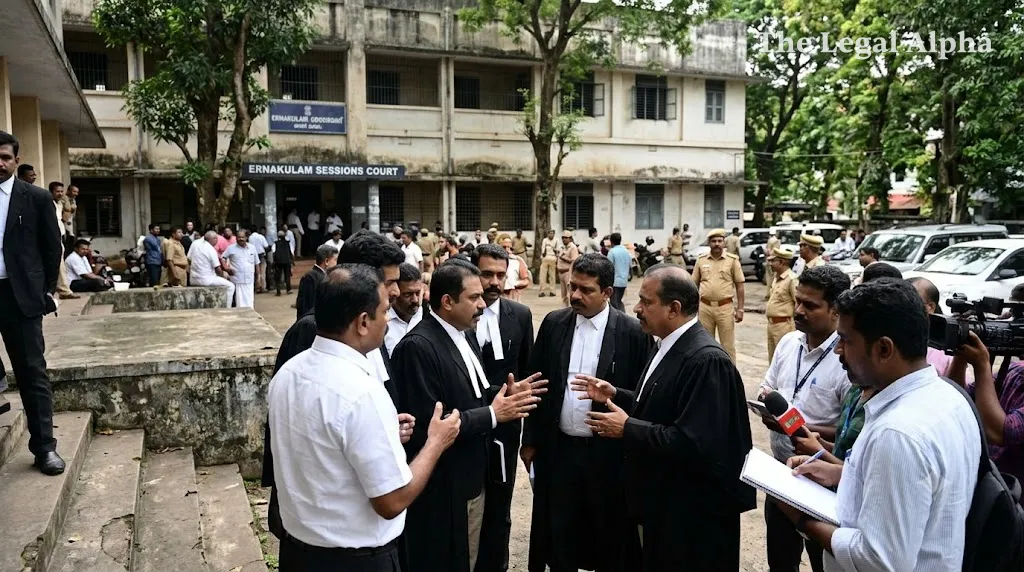
Appellate Delays Cannot Excuse Freeing Convicts of Grave Offences, Supreme Court Rules
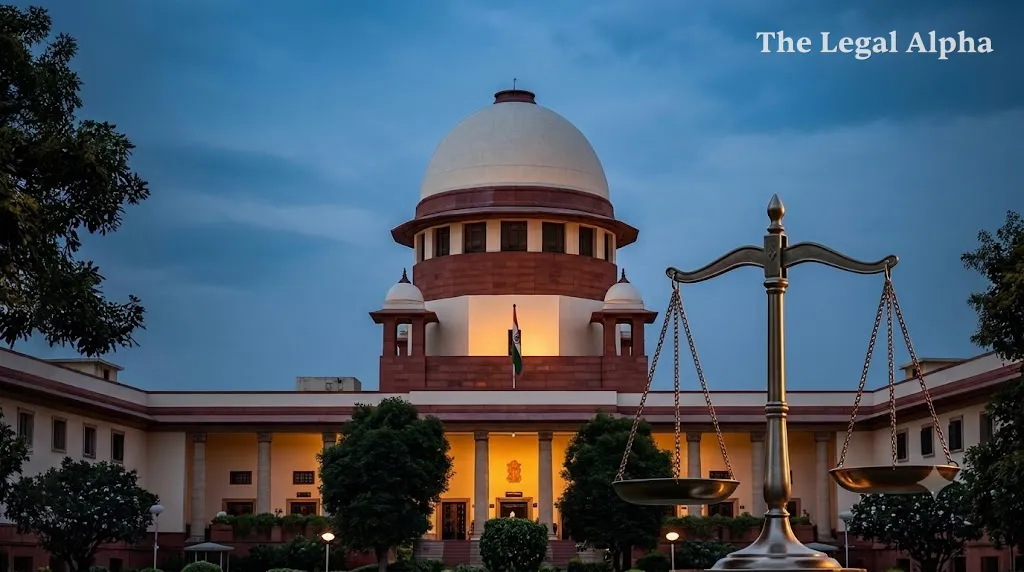
The Supreme Court has set aside the suspension of sentence granted to a prime convict sentenced to life imprisonment for orchestrating a 2017 politically motivated murder in Rajasthan. Delivering the ruling, a bench comprising Justices J.B. Pardiwala and K. Vinod Chandran made it clear that appellate courts cannot routinely release individuals convicted of heinous crimes simply because heavy backlogs make an early hearing of their appeals unlikely.
The top court observed that systemic failures and delays in the justice delivery system cannot be papered over by granting liberty to convicts without a careful evaluation of the evidence and the duration of custody already served. While overturning the relief granted to the main conspirator, the bench sustained the suspension orders for three other convicts whose evidentiary links were weak.
Legal Topic
-
Area of Law: Criminal Law & Procedure
-
Sub-topic: Suspension of Sentence Pending Appeal / Post-Conviction Bail
Core Legal Issue
The fundamental legal question before the Supreme Court was whether an appellate court can suspend a convict's substantive sentence under Section 389 of the Code of Criminal Procedure, 1973 solely on the grounds of institutional delay and heavy judicial dockets, without properly evaluating the gravity of the offence, the prima facie strength of the conviction, and the impact on the victim's family.
Specifically, the court addressed how judicial discretion must be exercised when balancing an individual's liberty against societal security once the initial presumption of innocence has been displaced by a formal conviction.
What Did the Court Decide?
The Supreme Court allowed the appeal filed by the victim’s father regarding the prime convict, Hardeva Ram, and quashed the Rajasthan High Court order that had suspended his life sentence. Ram was directed to surrender before the trial court within two weeks, failing which law enforcement authorities must take immediate steps to apprehend him.
However, the top court upheld the suspension of sentence granted to three co-convicts who had received 10-year prison terms. The bench found a clear distinction on the merits: key prosecution witnesses concerning hotel reservations and the switching of vehicle licence plates had turned hostile, leaving insufficient prima facie proof against them to warrant reversing their bail.
Key Legal Points
-
Presumption of Innocence Ceases: Once an accused has been convicted by a court of competent jurisdiction, the presumption of innocence is displaced, demanding a far higher degree of judicial circumspection before granting post-conviction bail or suspension of sentence.
-
Institutional Delay Is Not Automatic Grounds for Bail: Judicial backlogs and delayed appellate timelines cannot become a blanket or knee-jerk excuse to release convicts in heinous crimes, as shifting the institutional burden onto society endangers public safety.
-
Mandatory Prima Facie Evaluation: Appellate courts considering applications under Section 389 CrPC must first evaluate the trial record and the strength of the prosecution's case, rather than treating incarceration time and docket congestion as sole determinants.
-
Recognition of Victims' Rights: Courts must actively account for the safety, trauma, and sentiments of the victim's family, preventing scenarios where aggrieved families watch convicted killers roam free while courts battle systemic delays.
Relevant Law
-
Section 389 of the Code of Criminal Procedure, 1973 (CrPC) / Section 430 of the Bharatiya Nagarik Suraksha Sanhita, 2023 (BNSS): Governs the suspension of execution of sentence and release of the appellant on bail pending appeal.
-
Section 302 and Section 120B of the Indian Penal Code, 1860 (IPC): Pertaining to punishment for murder and criminal conspiracy.
-
Supreme Court Jurisprudence on Post-Conviction Bail: Affirms that relief under Section 389 CrPC is distinct from regular pre-trial bail under Section 439 CrPC, as the nature of the crime and the findings of guilt require rigorous scrutiny.
Arguments of the Parties
-
The Appellant (Victim's Family): The victim's father contended that the High Court committed a grave error by ignoring the direct and circumstantial evidence linking Ram to the murder conspiracy. It was submitted that Ram had openly issued death threats before public officials and orchestrated the assassination while intentionally manufacturing an alibi at a local police station on the day of the incident.
-
The Convict (Respondent): The defence argued that criminal appeals before the High Court face systemic delays of several years with no immediate prospect of a final hearing, justifying suspension of sentence on grounds of prolonged incarceration and protection of personal liberty under Article 21 of the Constitution.
Why Does It Matter?
This ruling establishes a vital check against the emerging tendency in appellate courts to grant blanket suspension of sentences purely on docket constraints. By insisting on a prima facie review of the evidence, the Supreme Court safeguards civil society from the premature release of dangerous offenders convicted of heinous crimes.
At the same time, the judgment balances administrative realism by distinguishing primary conspirators from peripheral accused against whom the evidence is tenuous. It sends a clear signal across High Courts that judicial delay, while regrettable, cannot be rectified through summary orders that disregard victim rights and statutory thresholds for bail pending appeal.
Legal Takeaway
Judicial backlog and lengthy appellate pendency cannot alone justify suspending sentences for convicts of heinous offences. Appellate courts must conduct a prima facie scrutiny of the trial evidence, balance actual time served against the gravity of the crime, and give due weight to the rights and sentiments of the victim's family before granting bail after conviction.
Sources
-
Primary Source: Supreme Court of India, Criminal Appellate Jurisdiction, Judgment/Order delivered by a Division Bench comprising Justice J.B. Pardiwala and Justice K. Vinod Chandran (setting aside the Rajasthan High Court suspension order in the Hardeva Ram / Sardar Rao murder case).
-
Additional Sources: Proceedings and records of the Rajasthan High Court; Trial Court conviction under Sections 302 and 120B IPC.