Abrupt End to Defense Contracts Threatens Ongoing Trials for Under-Trial Prisoners in India
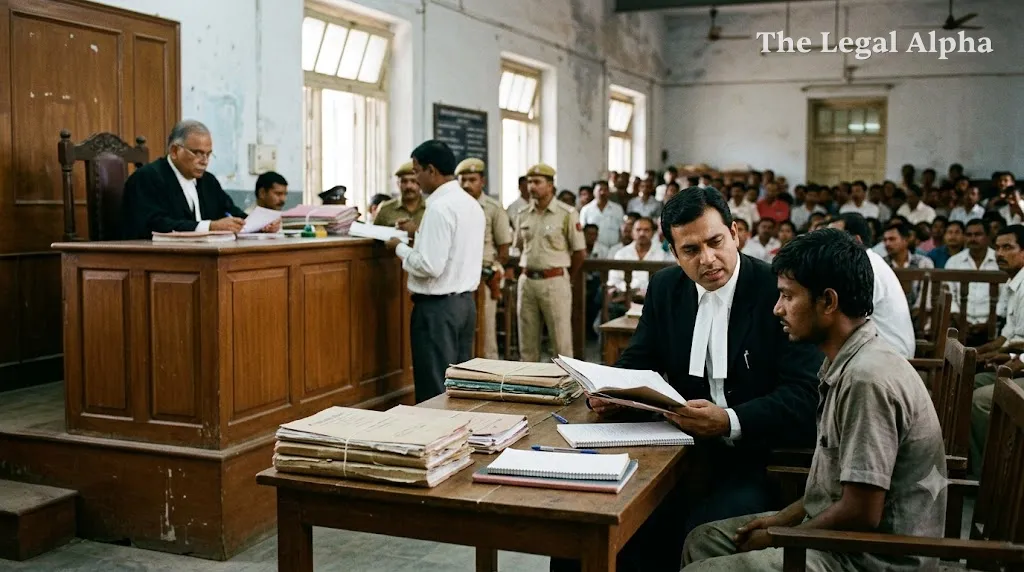
A major operational and legal crisis has emerged across India's criminal justice system as the future of the Legal Aid Defense Counsel System (LADCS) faces severe uncertainty. Established by the National Legal Services Authority (NALSA) to provide full-time legal representation to impoverished accused persons—benefiting around 300,000 under-trial prisoners since 2023—the system is now confronting widespread contract expirations and non-renewal directives. This sudden turnover has left thousands of under-trials without legal counsel in the middle of active proceedings. The issue intensified following resistance from private bar associations, which claimed the system curtailed private legal practice, prompting associations representing legal aid defense counsel to petition the Supreme Court of India.
Legal Topic
Area of Law: Criminal Law and Constitutional Law
Sub-topic: Right to Free Legal Aid / Under-Trial Prisoner Protections
Core Legal Issue
The central legal question is whether the state's constitutional obligation to ensure effective legal representation to indigent accused persons is compromised when systemic disruptions cause appointed defense counsel to withdraw midway through active criminal trials. At stake is whether administrative non-renewals violate procedural due process and the fundamental guarantee that no person shall be denied justice by reason of economic disabilities.
What Did the Court / Authority Decide?
NALSA took the administrative path of phasing out or not extending existing LADCS contracts following pushback from local bar councils. In response, LADCS advocates—supported by state-level service authorities from northeastern states including Assam, Meghalaya, and Nagaland—approached the Supreme Court of India challenging the abrupt disengagement and demanding structural continuity. The Supreme Court has entertained the matter, with definitive judicial guidelines pending while thousands of defense contracts near completion.
Key Legal Points
-
Principle of Effective Legal Assistance: Free legal aid is not satisfied by nominal appointment; it requires continuous, meaningful, and prepared advocacy to ensure a fair trial.
-
Institutional vs. Private Legal Aid Delivery: The dispute brings to the fore the conflict between an institutionalized public-defender model and traditional private legal practice.
-
Procedural Breakdown in Ongoing Proceedings: Exiting mid-trial creates acute judicial logjams, potential procedural nullities, and the risk of prolonged pre-trial incarceration.
Relevant Law
-
Article 39A of the Constitution of India: Directs the State to secure justice on the basis of equal opportunity and provide free legal aid to ensure justice is not denied to any citizen by reason of economic disability.
-
The Legal Services Authorities Act, 1987: The statutory framework governing the constitution and powers of NALSA and the delivery of legal services.
-
Supreme Court Precedents on Fair Trial: Established case law recognizing that the right to counsel is an integral element of life and personal liberty under Article 21.
Arguments of the Parties
LADCS Counsel and State Legal Services Authorities
The petitioners argued that the LADCS model successfully addressed long-standing systemic flaws by ensuring that dedicated, full-time defense advocates handled cases consistently rather than ad-hoc. They submitted that dismantling or interrupting the system midway through thousands of active trials directly harms impoverished litigants and dismantles constitutional protections.
Opposing Bar Associations and Administrative Entities
Private bar associations contended that monopolizing criminal defense work for indigent individuals under a specialized state-funded body displaced independent practitioners and distorted traditional court practice. Under these objections, administrative bodies hesitated to renew existing contracts, citing the need to reconcile the program with traditional legal representation models.
Why Does It Matter?
This development directly impacts the fundamental rights of hundreds of thousands of under-trials who cannot afford private defense lawyers. An abrupt absence of defense representation leads to stalled court dockets, prolonged pre-trial detention, and potential miscarriages of justice. For the legal system, it tests whether India will sustain a institutional public defender structure or revert to an ad-hoc legal aid mechanism that has historically struggled with inconsistent attendance and accountability.
Legal Takeaway
Meaningful legal aid requires unbroken representation, not just an entry on the court record. Abruptly withdrawing appointed counsel during an active trial jeopardizes constitutional fair trial guarantees and places the burden on judicial authorities to ensure structural continuity for indigent defense.
Sources
-
Primary Source: National Legal Services Authority (NALSA) Guidelines on Legal Aid Defense Counsel System (LADCS); Petitions before the Supreme Court of India regarding LADCS tenure and non-renewal.
-
Additional Sources: The Legal Services Authorities Act, 1987; Article 39A, Constitution of India; National reporting and documentation on under-trial legal aid representation.