Survivor’s Advocate Petitions Kerala High Court Seeking Contempt Action Over Trial Judge’s Open-Court Remarks
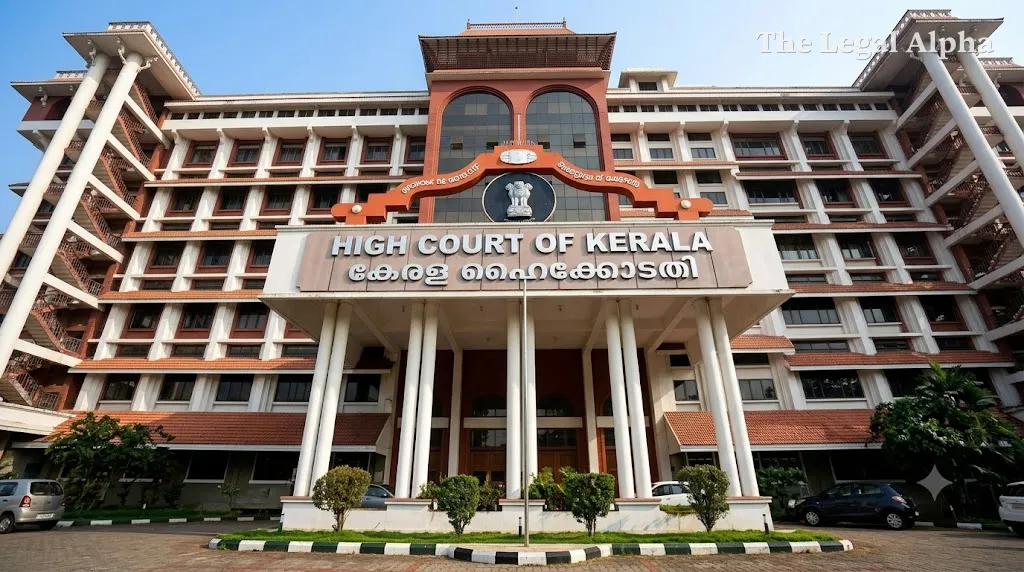
Advocate T.B. Mini, who represented the survivor and assisted the prosecution in the high-profile 2017 actor assault case, has moved the Kerala High Court seeking the initiation of suo motu criminal contempt proceedings against Principal District and Sessions Judge Honey M. Varghese. The dispute stems from critical comments allegedly made in open court by Judge Varghese on January 12, 2026. The trial judge reportedly claimed that Mini had attended fewer than ten days of proceedings, stayed for merely half an hour at a time, and slept during court hearings.
Mini contends that these remarks—delivered before fellow practitioners, litigants, and media personnel—were inaccurate, outside legitimate judicial necessity, and triggered widespread social media vitriol and reputational damage. After Kerala’s Advocate General refused consent for criminal contempt action, the advocate directly petitioned the High Court to exercise its inherent constitutional supervisory jurisdiction.
Legal Topic
-
Area of Law: Constitutional Law / Legal Profession & Judicial Administration
-
Sub-topic: Contempt of Court / Judicial Restraint and Rights of Advocates
Core Legal Issue
The primary legal question is whether disparaging personal statements made by a judicial officer against a practicing advocate in open court can justify suo motu criminal contempt action by a superior court, particularly when statutory consent from the Advocate General has been declined.
It also brings to the forefront the boundaries between judicial mentoring or courtroom management and unwarranted extrajudicial castigation that impairs an advocate's constitutional right to practice their profession with dignity.
What Did the Court / Authority Decide?
The matter came up before Justice P.V. Kunhikrishnan at the Kerala High Court, who adjourned the petition to Wednesday for detailed preliminary consideration. No substantive determination on the maintainability or merits of the contempt petition has been reached yet, and the proceeding remains pending.
Earlier, Advocate General Gopalakrishna Kurup had formally dismissed Mini's application for statutory consent to initiate criminal contempt proceedings. The Advocate General held that the impugned oral comments, even if established, amounted at most to "excessive or extravagant language" rather than conduct scandalising the authority of the court or obstructing justice under the Contempt of Courts Act.
Key Legal Points
-
Constitutional Independence of High Courts in Contempt: Under Article 215 of the Constitution of India, a High Court is a court of record whose plenary jurisdiction to punish for contempt is not strictly contingent upon statutory sanction if it elects to take suo motu cognizance based on verified information.
-
Judicial Restraint Concerning Officers of the Court: Established higher judiciary jurisprudence mandates that presiding judges exercise circumspection and avoid disparaging, unrecorded oral remarks against legal practitioners unless directly integral to the judicial determination of the dispute.
-
Protection of Professional Reputation: An advocate's professional standing and liberty to conduct litigation are tied to constitutional protections under Article 19(1)(g) and Article 21, shielding them from gratuitous verbal strictures.
-
Remedial Powers of Expunction and Takedown: In addition to punitive contempt, appellate courts possess powers to expunge unsupported adverse observations and direct regulatory removal of defamatory digital broadcasts resulting from courtroom remarks.
Relevant Law
-
Article 215 of the Constitution of India: Confers inherent authority upon High Courts as courts of record, including the power to initiate contempt proceedings on their own motion.
-
Articles 19(1)(g) and 21 of the Constitution of India: Safeguarding the right to practice any profession and the right to life, dignity, and reputation.
-
Section 15 of the Contempt of Courts Act, 1971: Governs the procedure for cognizance of criminal contempt and statutory consent of the Advocate General.
-
Judicial Precedents on Judicial Restraint: Supreme Court directives (including State of U.P. v. Mohammad Naim and In Re: 'K' A Judicial Officer) emphasizing that judicial independence requires sober restraint and that caustic observations against counsel should be avoided.
Arguments of the Parties
Petitioner (Advocate T.B. Mini)
-
Contended that she actively attended court for over two hundred days during the trial, refuting the allegation of chronic absence or inattentiveness.
-
Argued that the trial judge’s remarks were not a judicial order or assessment, but an unprovoked personal reprimand delivered in the presence of press representatives and the public.
-
Maintained that the resulting media coverage portrayed her as negligent and responsible for procedural shortcomings, causing severe professional detriment, mental trauma, and cyber harassment.
-
Asserted that the Advocate General's rejection does not restrict the High Court’s constitutional powers, demanding expunction of the comments from court records and directives to Union ministries to order the removal of offending media clips.
Opposing Stand / Advocate General’s Position
-
In refusing sanction under Section 15 of the Contempt of Courts Act, the Advocate General found that oral judicial expressions, even if sharp or unwarranted, do not meet the legal threshold of criminal contempt or calculated defiance of judicial dignity.
-
The administration maintained that robust exchanges between the bench and counsel during heated trial days fall under judicial leeway and courtroom management rather than actionable criminal contempt.
Why Does It Matter?
This litigation addresses an uncomfortable, rarely tested frontier: holding a sitting trial judge accountable for unrecorded or spoken courtroom barbs against a practitioner. Judges typically enjoy wide immunity and leeway in conducting court business; however, the emergence of live reporting and digital echo chambers can instantly turn an offhand oral remark into lasting reputational harm for a lawyer.
If the High Court admits the petition or issues formal guidance, it could clarify:
-
The precise boundary between judicial discipline/court decorum and professional defamation.
-
The standard of legal recourse available to advocates when oral remarks are disseminated beyond the courtroom without an appealable written order.
-
The operational scope of High Courts taking suo motu information after statutory Advocate General consent has been formally denied.
Legal Takeaway
While courts possess broad discretion to direct proceedings and admonish advocates, judicial commentary must remain tethered to the merits of the case and governed by sobriety. Spoken strictures that spill outside legitimate adjudicatory needs can jeopardize a lawyer's constitutional right to professional dignity, opening up scrutiny under higher judicial supervisory and contempt mechanisms.
Sources
Primary Source:
-
Proceedings before Justice P.V. Kunhikrishnan, High Court of Kerala; Contempt Petition filed by Advocate T.B. Mini citing Article 215 of the Constitution of India and Section 15 of the Contempt of Courts Act, 1971.
-
Order dated April 22, 2026, passed by the Advocate General of Kerala (Rejecting Sanction for Criminal Contempt).
Additional Sources:
-
Verified case reporting and court coverage via The Times of India, Bar and Bench, The South First, and Kerala Kaumudi.