Supreme Court Shuts Off Live Stream During Morning Mentioning Hours
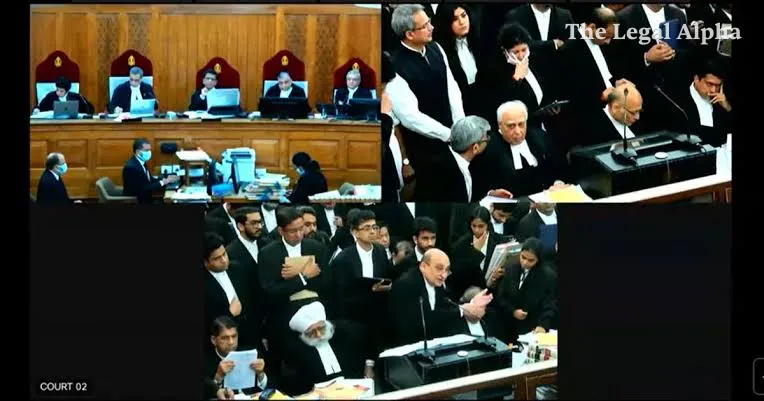
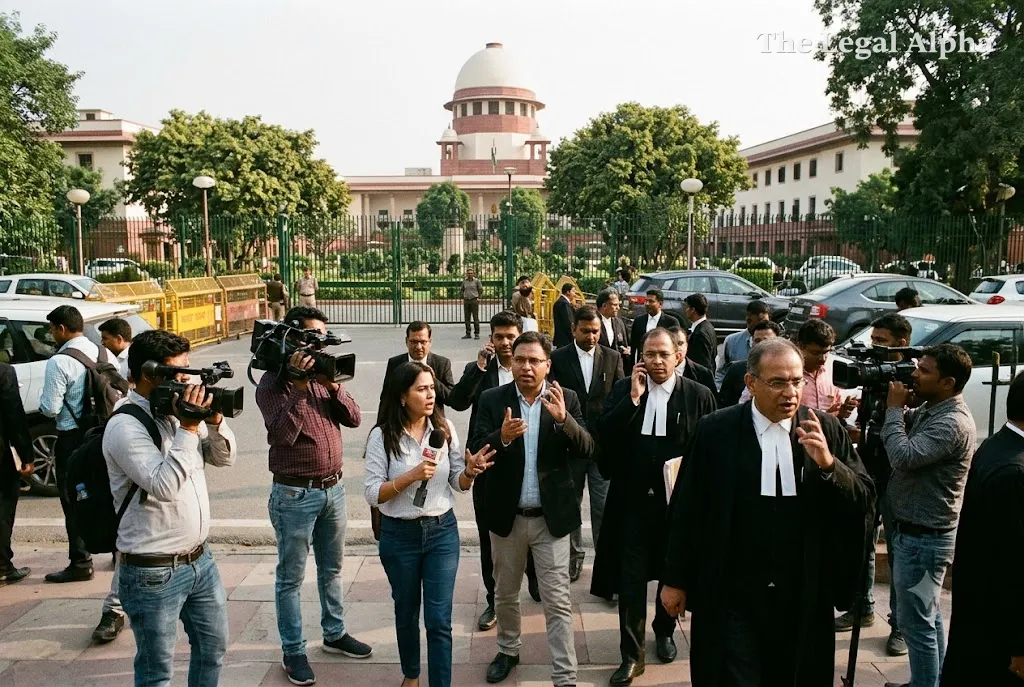
The Supreme Court of India halted the live broadcast and virtual streaming of morning case "mentionings" in Court 1. The decision took effect after oral exchanges during urgent listing requests prompted administrative interventions, culminating in court staff being instructed to cut both audio and video feeds during the preliminary morning slot.
Mentioning is a procedural mechanism where advocates stand before the Chief Justice of India at the start of the judicial day to seek early hearing dates or out-of-turn listings for time-sensitive matters. The restriction applies strictly to this preliminary listing window, leaving the broadcast of regular judicial hearings intact.
Legal Topic
Area of Law: Constitutional Law / Court Administration
Sub-topic: Open Justice, Broadcast Regulations, and Procedural Listing
Core Legal Issue
The controversy turns on whether preliminary, housekeeping requests for urgent case listings constitute judicial proceedings protected under the constitutional principle of "open justice," or if they are purely administrative gatekeeping exercises subject to the court's discretion.
The primary question is how the Supreme Court balances the fundamental right of public access to judicial processes under Article 145 and Article 21 against the administrative necessity of preventing unverified oral claims and casual judicial observations from being sensationalized outside their proper legal context.
What Did the Court / Authority Decide?
The court directed an administrative blackout of the live video and audio feed in Court 1 exclusively during mentioning hours.
Under these directions:
-
The live streaming camera and virtual links are muted and disabled while advocates make oral requests for urgent listings.
-
The broadcast automatically resumes once the bench transitions from administrative listing to hearing matters on the regular cause list.
-
The measure does not bar physical entry into the courtroom, nor does it operate as a gag order prohibiting journalists present in the gallery from reporting on proceedings.
-
The internal mechanism for listing continues, with the court maintaining records and slips for urgent mentioning through designated channels.
Key Legal Points
-
Administrative vs. Judicial Distinction: The court treats listing mentions as administrative housekeeping rather than adjudicatory hearings on legal merits.
-
Preserving Courtroom Decorum: Restricting broadcasts during mentions aims to deter counsel from raising unverified, politically charged, or frivolous pleas primarily to capture digital attention.
-
Open Court vs. Broadcast Access: The constitutional mandate for open justice requires public and media presence inside the physical courtroom, but does not grant an unbridled right to uninterrupted electronic broadcasting.
-
Regulation of Fleeting Observations: Oral remarks made by judges while considering listing urgency carry no precedential value, and broadcasting them creates misleading impressions of formal judicial rulings.
Relevant Law
-
Constitution of India, Article 145: Empowers the Supreme Court to frame rules regulating court practice and procedure.
-
Constitution of India, Article 145(4): Directs that the Supreme Court deliver judgments and conduct judicial business in open court.
-
Constitution of India, Article 19(1)(a): Protects freedom of speech and the press, encompassing the right to report court proceedings.
-
Swapnil Tripathi v. Supreme Court of India (2018): Established the framework for live streaming Supreme Court proceedings to advance open justice, while expressly allowing the Chief Justice to restrict broadcasts for administrative or sensitive matters.
-
Supreme Court Rules for Live Streaming and Recording of Court Proceedings: Regulations governing operational control, redactions, and broadcasting exceptions.
Arguments of the Parties
Bench and Court Administration
The bench maintained that oral mentioning is purely an administrative routine to organize cause lists, not a stage to argue substantive matters or generate sensational news headlines. Unfiltered broadcasts of preliminary remarks risk creating public confusion, especially when raw, unverified claims are aired before case papers are placed before the bench.
Legal Bar and Media Perspective
Litigants and civil liberties advocates contend that access to mentioning hours ensures transparency in how urgent, fundamental-rights matters are prioritised. They argue that seeing which cases receive immediate dates and which are turned down forms an integral part of judicial accountability under the open court doctrine.
Why Does It Matter?
This procedural shift directly impacts how the public and legal community monitor the gatekeeping stage of India's apex court. By removing cameras from early-morning mentions, the court diminishes the risk of social media platforms harvesting offhand judicial remarks for viral clips.
At the same time, it places greater reliance on accredited court reporters present in the room to document listing trends and urgent requests. The decision signals a growing push within the higher judiciary to delineate the boundary between genuine open justice and uncontrolled digital exposure of routine administrative business.
Legal Takeaway
The right to an open court guarantees public access to judicial proceedings, but does not confer an absolute right to electronic broadcasts of routine administrative listing and housekeeping sessions. The Supreme Court retains full regulatory authority under Article 145 to calibrate live-streaming feeds to maintain decorum and procedural order.
Sources
Primary Source:
-
Supreme Court of India Administrative Directives and Practice Directions governing live streaming under the Rules for Live Streaming and Recording of Court Proceedings.
-
Swapnil Tripathi & Ors. v. Supreme Court of India & Ors. (2018) 10 SCC 639.
Additional Sources:
-
Supreme Court Registry procedural operational updates on Court 1 virtual links.
-
Law Chakra and legal portal reports on Supreme Court listing and mentioning guidelines.