Supreme Court Seeks Response From Padmarajan in Challenge to Suspension of Life Sentence in Palathayi POCSO Case
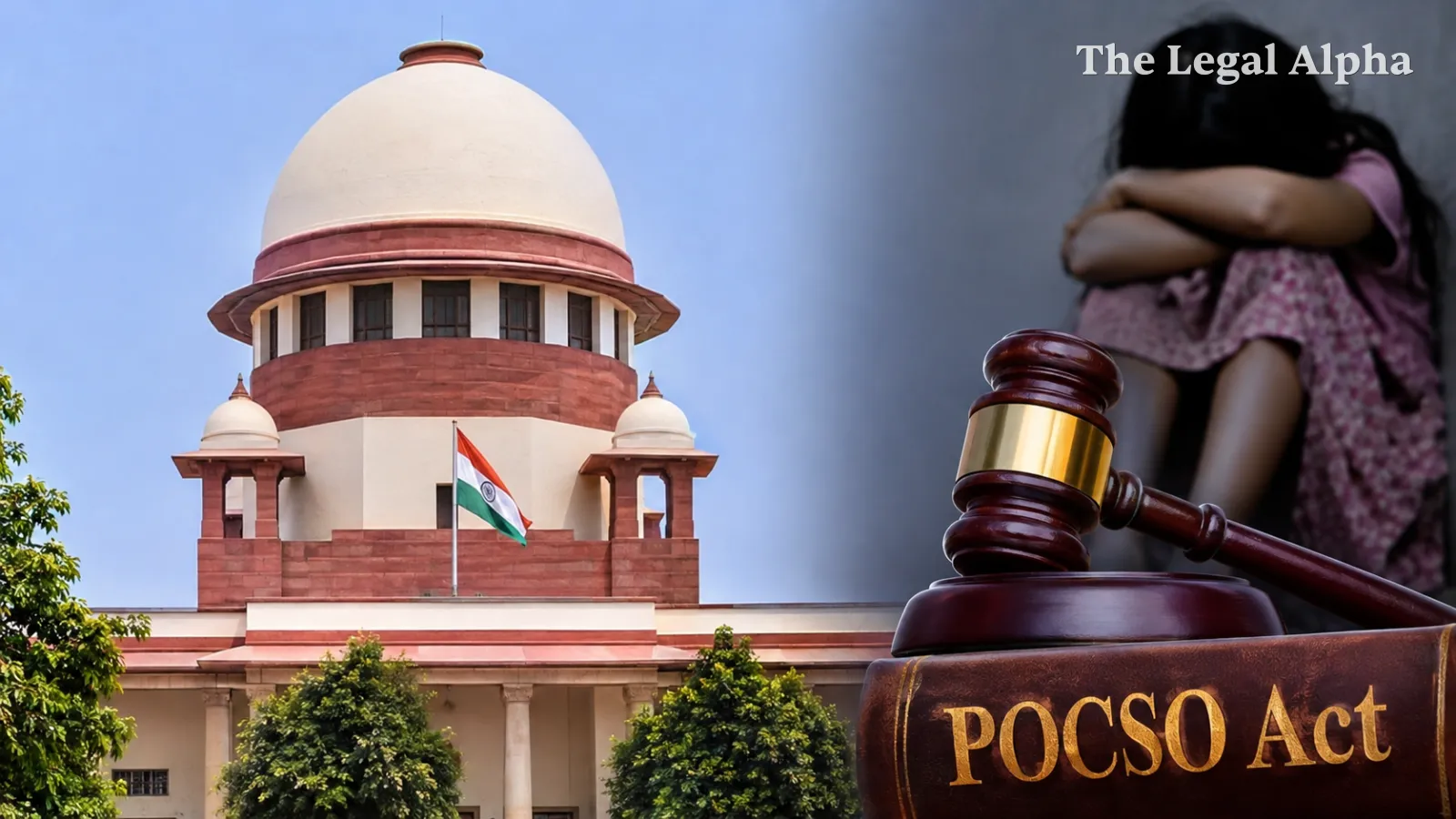
The Supreme Court has issued notice to K. Padmarajan, a former BJP leader and schoolteacher convicted in the Palathayi POCSO case, following challenges by the Kerala government and the mother of the minor survivor to a Kerala High Court order suspending his life sentence.
The matter concerns the High Court's decision to suspend Padmarajan's sentence and grant him conditional bail while his criminal appeal remains pending. The Supreme Court proceedings will examine the challenges raised against that relief.
The case originated from allegations of sexual assault involving a 10-year-old girl who was studying in Class IV at a school in Palathayi, Kannur, in 2020. In November 2025, the Thalassery Fast Track Special Court convicted Padmarajan and sentenced him to imprisonment for life.
Legal Topic
Area of Law: Criminal Law
Sub-topic: POCSO Act – Suspension of Sentence – Bail Pending Criminal Appeal
Core Legal Issue
The central legal question is whether the Kerala High Court was justified in suspending a life sentence imposed following a conviction under the Protection of Children from Sexual Offences (POCSO) Act and granting bail to the convicted person while his appeal remains pending.
The Supreme Court will consider the objections raised by the State and the survivor's mother concerning the legal standards applied by the High Court when granting suspension of sentence in a serious sexual offence case involving a minor.
What Did the Court Decide?
The Supreme Court's notice marks the beginning of its examination of the challenges to the Kerala High Court's order.
The following developments have been reported:
-
The Supreme Court issued notice to Padmarajan on the petitions challenging the suspension of his sentence.
-
The Kerala government has questioned the High Court's decision to grant relief.
-
The survivor's mother has also challenged the suspension of the life sentence.
-
The challenge seeks reconsideration of the High Court's order granting conditional bail.
What remains pending: The Supreme Court has not, merely by issuing notice, set aside the High Court's order or cancelled Padmarajan's bail. The substantive challenge remains to be decided.
Key Legal Points
-
Suspension of a sentence during an appeal is a judicial discretion that must be exercised according to established legal principles.
-
The seriousness of the offence and the circumstances of the conviction are relevant considerations.
-
A conviction by a trial court remains operative unless set aside or otherwise modified by a competent court.
-
Suspension of a sentence does not amount to acquittal.
-
The Supreme Court's notice allows the challenge to proceed but does not determine the final merits of the case.
Relevant Law
Protection of Children from Sexual Offences Act, 2012 (POCSO Act)
The trial court reportedly convicted Padmarajan under Sections 5(f), 5(l) and 5(m), read with Section 6, dealing with aggravated penetrative sexual assault.
Indian Penal Code, 1860
The reported trial court conviction also involved Sections 376AB, 376(2)(f) and 354B of the IPC.
Section 430, Bharatiya Nagarik Suraksha Sanhita, 2023
This provision governs suspension of sentence pending an appeal and the release of a convicted person on bail. It corresponds to the earlier Section 389 of the Code of Criminal Procedure, 1973.
Arguments of the Parties
Kerala Government
The State has challenged the High Court's decision, contending that the suspension of the life sentence requires reconsideration. Its challenge questions the manner in which the High Court assessed the circumstances surrounding the conviction and the grounds for granting relief.
Survivor's Mother
The survivor's mother has also approached the Supreme Court seeking intervention against the suspension of the sentence. Her challenge questions the legal basis on which the convicted person was granted conditional bail despite the trial court's findings.
Padmarajan
Padmarajan had earlier challenged his conviction before the Kerala High Court. His defence relied on alleged inconsistencies in the survivor's testimony and other aspects of the evidence, which the High Court considered while granting suspension of sentence.
Why Does It Matter?
The proceedings raise an important question concerning the balance between an accused person's right to seek suspension of sentence during an appeal and the need for careful judicial scrutiny in cases involving serious offences against children.
The matter is particularly significant because the trial court had imposed a life sentence after recording a conviction under provisions dealing with aggravated sexual offences against minors.
The Supreme Court's examination may provide further clarity on the considerations that courts should apply when deciding applications for suspension of life sentences in serious criminal cases.
It also highlights the importance of distinguishing between the temporary suspension of a sentence and the final determination of an appeal against conviction.
Legal Takeaway
The suspension of a sentence during an appeal does not erase the conviction or amount to an acquittal. Courts must exercise their discretion in accordance with established legal standards, particularly where serious offences against children are involved. The Supreme Court's final consideration of the challenges will determine whether the Kerala High Court's order can stand.
Sources
Primary Source: Supreme Court of India – Official court orders and case records. The specific notice order in this matter could not be independently located.
Additional Sources: