Supreme Court Questions Conduct of Judicial Officers Over Repeated Demands for Service Benefits
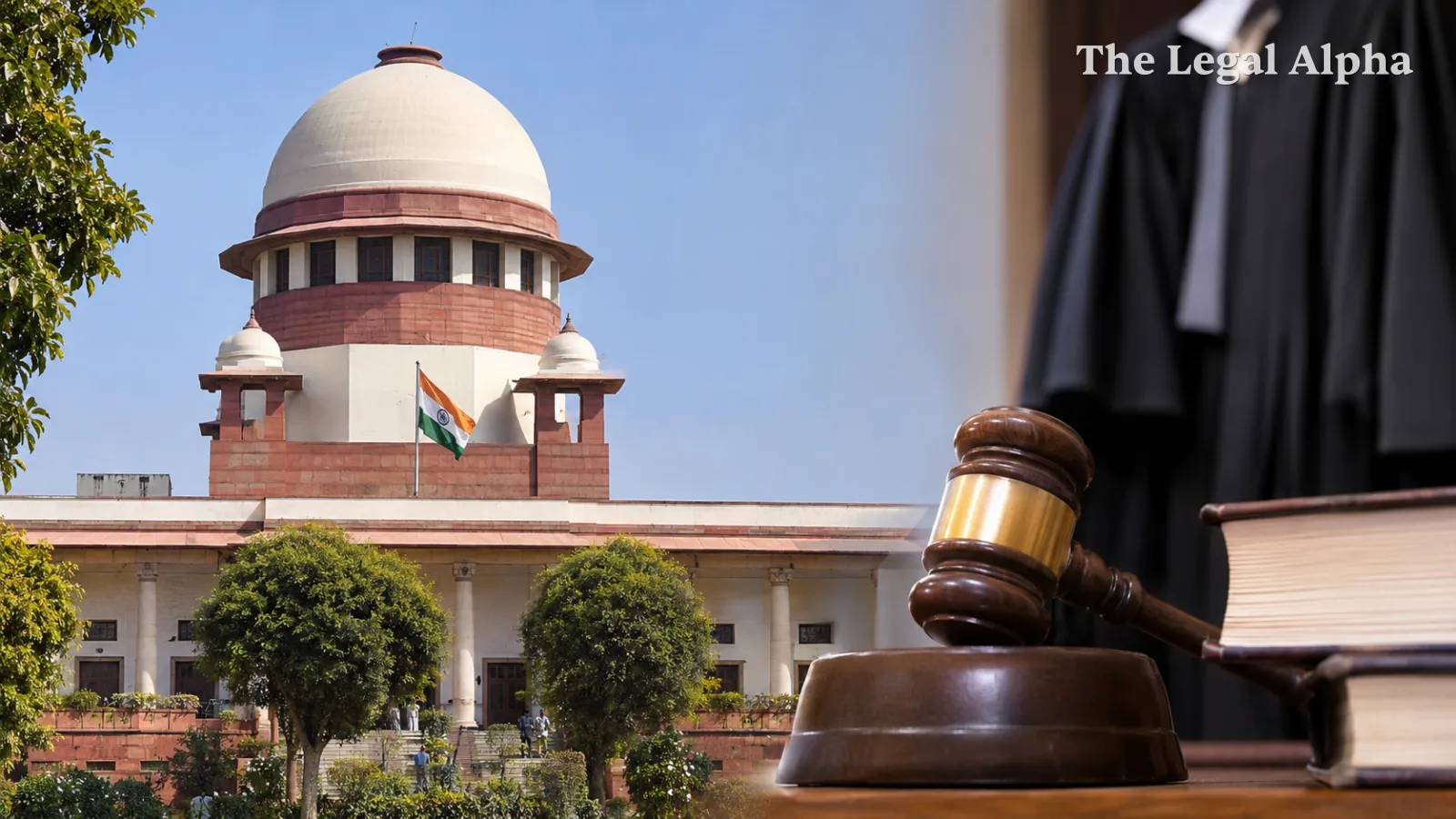
The Supreme Court of India has expressed concern over what it described as a lack of discipline among judicial officers, criticising their repeated demands for service-related benefits, facilities and changes in retirement age.
The observations were made by Chief Justice of India Surya Kant while hearing Jubiya A v. High Court of Kerala. Justices Joymalya Bagchi and V. Mohana were also part of the Bench.
The Court questioned whether judicial officers were giving sufficient attention to their judicial responsibilities while repeatedly raising issues concerning perks, service conditions and other employment-related benefits.
The remarks came during proceedings concerning the recruitment of district judges in Kerala under the direct recruitment quota reserved for advocates.
Legal Topic
Area of Law: Constitutional Law and Judicial Administration
Sub-topic: District Judge Recruitment and Judicial Service Conditions
Core Legal Issue
The central legal issue in the proceedings concerns the eligibility of serving or former judicial officers who previously practised as advocates to seek appointment as district judges under the direct recruitment quota.
The dispute requires consideration of Article 233(2) of the Constitution, particularly the requirement of seven years' experience as an advocate and the role of the High Court in recommending candidates for appointment.
What Did the Court Observe?
The Bench expressed dissatisfaction with what it viewed as repeated applications by judicial officers seeking improvements in their service conditions.
Chief Justice Surya Kant questioned the frequency of demands relating to retirement age, facilities and other employment benefits. He also emphasised that judicial officers must maintain discipline and remain focused on their responsibilities.
The observations were made during the hearing and should not be treated as a final judicial determination on the merits of the recruitment dispute.
The underlying legal position had already been examined by the Supreme Court in Rejanish K.V. v. K. Deepa & Ors., decided on October 9, 2025.
Key Legal Points
-
Article 233(2) of the Constitution governs eligibility for direct recruitment to the post of District Judge.
-
The constitutional provision requires the prescribed seven years of experience as an advocate or pleader.
-
The Supreme Court's Constitution Bench recognised that judicial officers with the requisite prior experience at the Bar could also be considered for direct recruitment.
-
Judicial discipline and the proper discharge of judicial responsibilities remain important aspects of the administration of justice.
-
Oral observations during court proceedings do not automatically constitute binding directions or a final ruling.
Relevant Law
Article 233 of the Constitution of India
Article 233 deals with the appointment of district judges in a State. It establishes the constitutional framework for appointments and the role of the Governor and the High Court.
Article 233(2) specifically addresses eligibility for direct recruitment, including the seven-year advocacy experience requirement.
Relevant Precedent:
Rejanish K.V. v. K. Deepa & Ors., 2025 INSC 1208, decided on October 9, 2025. The Constitution Bench clarified the eligibility of judicial officers with previous experience as advocates for direct recruitment as district judges.
Arguments of the Parties
The present news report does not provide a detailed account of the submissions made by individual parties during the November 23 hearing.
The broader legal dispute concerns two competing positions:
Candidates Supporting Eligibility
The supporting position is that judicial officers who have completed the required period of legal practice before entering judicial service should not automatically lose eligibility for direct recruitment as district judges.
Opposing Position
The opposing position has centred on the constitutional distinction between recruitment from the judicial service and direct recruitment from the Bar, including the interpretation of the seven-year practice requirement.
These broader arguments were considered in the earlier Rejanish K.V. proceedings.
Why Does It Matter?
The Supreme Court's observations highlight the importance of maintaining professional discipline within the judicial system.
Judicial officers occupy positions of public responsibility and are expected to prioritise the effective administration of justice. While fair service conditions and legitimate employment benefits remain important, the Court's remarks underline the need to balance such concerns with institutional responsibilities.
The development is also relevant to the wider debate surrounding judicial recruitment, career progression and the expectations placed on members of the subordinate judiciary.
However, the observations should not be interpreted as changing the constitutional framework governing judicial appointments or as withdrawing any service entitlement recognised by law.
Legal Takeaway
The Supreme Court's observations reinforce the importance of discipline and professional responsibility within the judiciary. Judicial officers are entitled to raise legitimate service-related concerns, but their institutional responsibilities must remain central to their conduct. The remarks are observations made during a hearing, not a separate ruling changing the law on judicial service benefits.
Sources
Primary Source:
-
Constitution of India, Article 233.
-
Supreme Court judgment in Rejanish K.V. v. K. Deepa & Ors., 2025 INSC 1208. Read Supreme Court judgment (PDF).
Additional Sources: