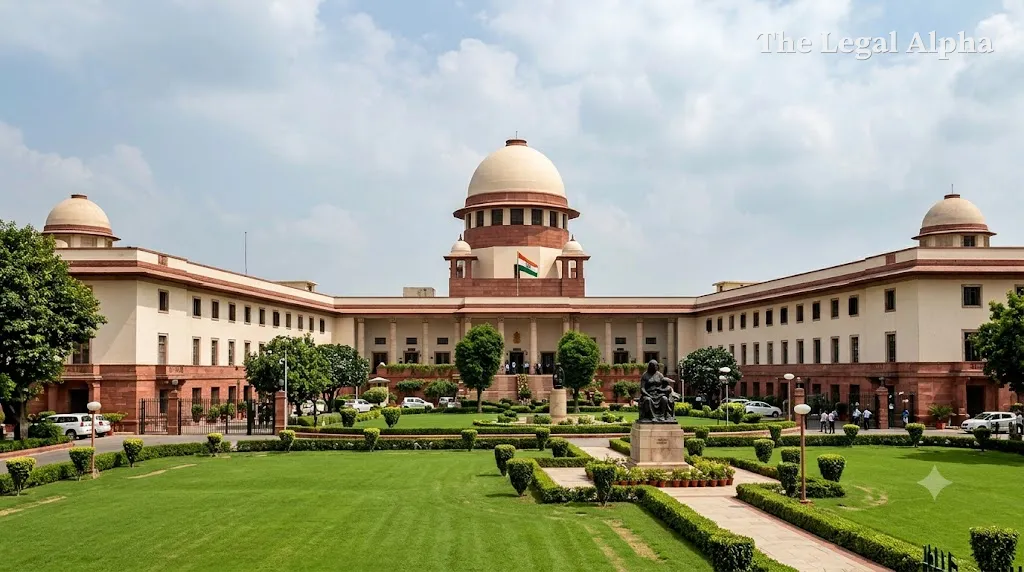
Supreme Court Postpones Hearing on Jagtar Singh Hawara’s Prison Transfer After Intelligence Bureau Flags State Poll Security Concerns
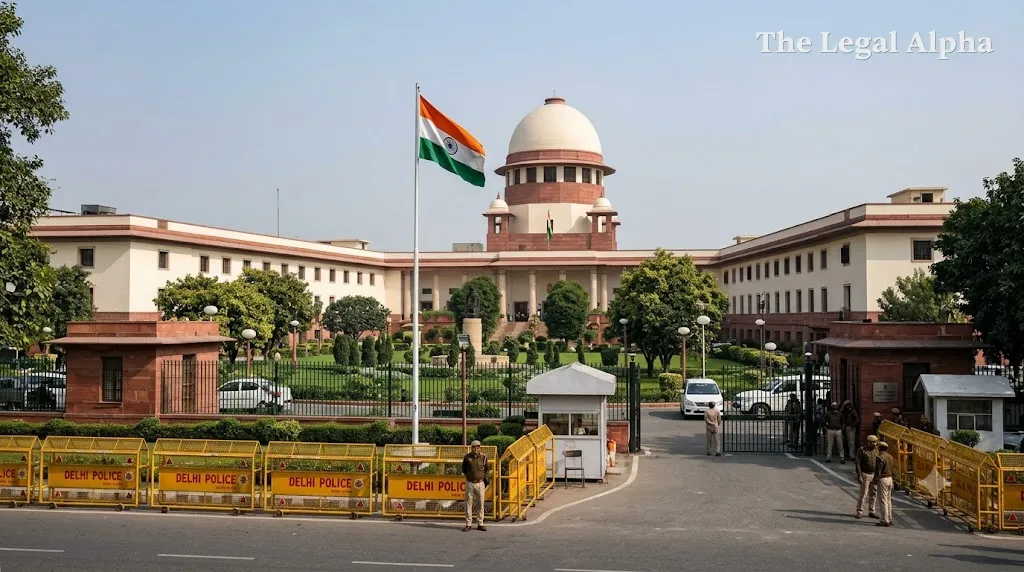
The Supreme Court has deferred proceedings on a petition filed by Jagtar Singh Hawara, who is serving a life sentence for his role in the 1995 assassination of former Punjab Chief Minister Beant Singh. Hawara approached the top court seeking a transfer from Tihar Jail in New Delhi to a correctional facility in his home state of Punjab.
During the hearing before a division bench comprising Justice M.M. Sundresh and Justice P.B. Varale, the Union Government presented an assessment report compiled by the Intelligence Bureau (IB). The intelligence assessment classified Hawara as a high-risk inmate and warned that transferring him into Punjab at this juncture could create significant law-and-order friction and adversely affect the upcoming Punjab Legislative Assembly elections. In response to the security assessment, the bench decided not to proceed immediately with the plea, adjourning the matter for three months until February.
Legal Topic
-
Area of Law: Criminal Law and Constitutional Law
-
Sub-topic: Prison Administration / Transfer of Convicts / Preventive Security and Public Order
Core Legal Issue
The petition centers on whether a life convict has a legal or fundamental right to undergo incarceration in a prison located within his native home state, or whether the executive retains complete discretion to keep the prisoner in an out-of-state high-security facility based on public order, institutional security, and intelligence assessments.
Specifically, the court must resolve how to strike a balance between an inmate's personal claims—such as geographic proximity to home and family under Article 21—and the State's overriding statutory mandate under prison administration statutes to prevent law-and-order disruption and security breaches.
What Did the Court Decide?
The Supreme Court did not dismiss or grant the transfer petition on its merits; rather, it deferred the hearing until February:
-
The bench characterized the findings of the Intelligence Bureau's security dossier as serious and noted the potential disruption to the impending state elections.
-
Senior counsel representing Hawara conceded that if impending legislative polls presented an immediate operational hurdle, the matter could be paused temporarily.
-
The court formally adjourned the proceedings for three months, maintaining Hawara's present detention in Delhi's Tihar Jail. The substantive legal challenge will be taken up after the electoral process concludes.
Key Legal Points
-
Security Assessments Outweigh Administrative Convenience: While prisoners frequently seek transfers to native jurisdictions on humanitarian grounds, intelligence inputs on state security and election integrity take precedence during interim evaluations.
-
Judicial Deference to Executive Intelligence: The bench’s decision to defer the hearing reflects judicial caution, ensuring that judicial orders do not complicate local governance or policing during sensitive periods such as general elections.
-
Non-Finality of Deferral: An adjournment based on an intelligence warning does not amount to a final rejection under the Prisoners Act; the core statutory and constitutional questions remain open for adjudication.
Relevant Law
-
The Prisoners Act, 1900 & The Transfer of Prisoners Act, 1950: Governing provisions outlining the inter-state transfer, custody, and removal of prisoners between state correctional departments.
-
Article 21 of the Constitution of India: Pertaining to the rights, humane treatment, and custody conditions of incarcerated individuals.
-
Ministry of Home Affairs (MHA) Guidelines on High-Risk Prisoners: Federal directives issued to states and union territories concerning the housing, movement, and security parameters of convicts tied to terrorism and high-profile assassinations.
Arguments of the Parties
Petitioner
Counsel for Hawara contended that the convict is serving a sentence arising out of offenses tried in the region and, as a native resident of Punjab, ought to be lodged in a correctional facility within the state. It was argued that prolonged inter-state detention outside his home state imposes an unwarranted hardship, especially given that he has spent decades in detention and was acquitted in several other historical cases.
Respondent / State Authorities
The Union Government and intelligence agencies argued that Hawara falls squarely within a high-security risk profile, referencing his previous escape from Burail Jail in 2004. The authorities emphasized that moving a high-profile convict associated with the Beant Singh assassination into Punjab ahead of the 117-seat assembly elections would create severe law-and-order vulnerabilities and could be exploited to disrupt the electoral atmosphere.
Why Does It Matter?
This development highlights the delicate threshold between criminal jurisprudence and state security. While standard correctional policy promotes keeping convicts accessible to their home state and kin, high-profile cases involving national security, political assassinations, and terrorism fall into an exceptional bracket. The deferral reinforces established administrative convention: when reliable intelligence indicates that an inter-state prison movement poses a tangible risk to public peace or free and fair elections, constitutional courts will avoid passing directions that interfere with ground-level security.
Legal Takeaway
A prisoner's request for relocation to a home-state facility is not an absolute entitlement and remains subject to reasonable restrictions founded on institutional security and public safety. When state intelligence demonstrates that transferring a high-risk convict could disrupt law and order during critical democratic exercises like elections, courts will prioritize public order over administrative transfer pleas.
Sources
-
Primary Source: Supreme Court of India, Proceedings in Jagtar Singh Hawara v. Union of India & Ors. (Bench comprising Justice M.M. Sundresh and Justice P.B. Varale, hearing dated November 3).
-
Additional Sources: Intelligence Bureau (IB) Security Assessment Report; Union Ministry of Home Affairs High-Risk Prisoner Directives.