Supreme Court Holiday Bench to Hear Pinarayi Vijayan's Challenge to CMRL Bribery FIR and YSRCP Election Violence Plea
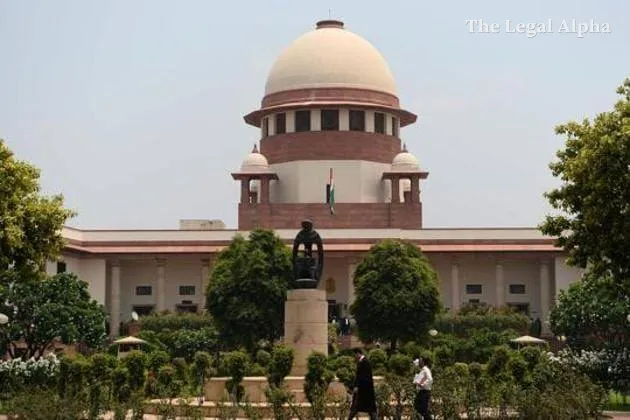
The Supreme Court has scheduled two separate petitions for hearing on October 21 before a special holiday bench.
The first matter concerns former Kerala Chief Minister Pinarayi Vijayan, who has approached the apex court seeking protection from arrest and challenging a Kerala High Court verdict. The High Court had directed the state's Vigilance and Anti-Corruption Bureau (VACB) to lodge an FIR against Vijayan and family members over alleged illicit financial payoffs received from Cochin Minerals and Rutile Limited (CMRL).
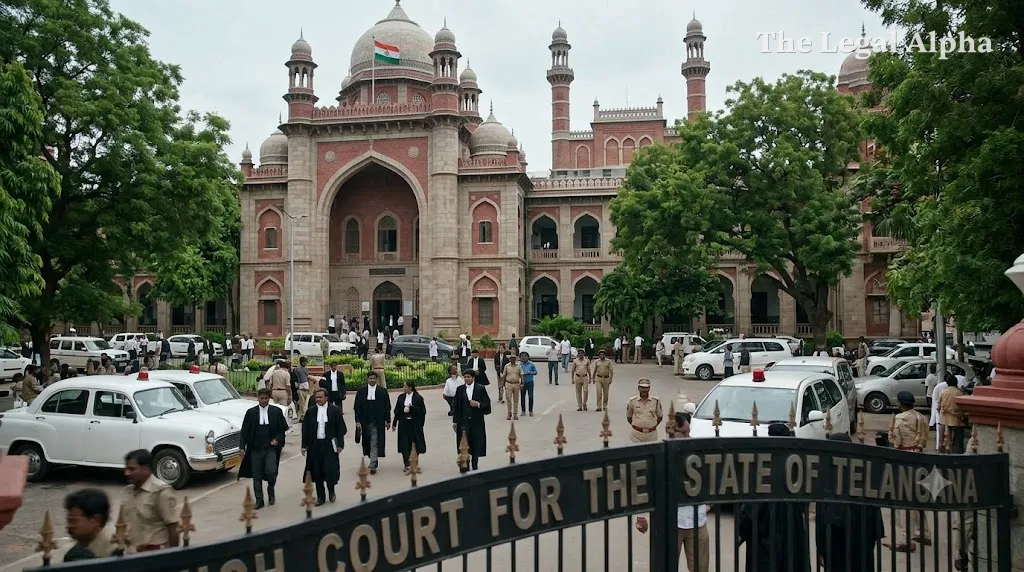
The second petition, filed by the YSR Congress Party (YSRCP), challenges an Andhra Pradesh High Court order that refused to extend nomination filing deadlines for local body polls despite allegations of widespread political violence and voter intimidation preventing candidates from submitting papers.
Legal Topic
-
Area of Law: Criminal Procedure & Constitutional Law / Election Law
-
Sub-topic: Pre-FIR Right of Hearing in Anti-Corruption Probes; Judicial Intervention in Ongoing Election Processes
Core Legal Issue
The Vijayan petition raises a fundamental question of procedural criminal jurisprudence under the Prevention of Corruption Act and the Code of Criminal Procedure/Bharatiya Nagarik Suraksha Sanhita: whether a prospective accused possesses an inherent right to natural justice—specifically a hearing—before a constitutional court directs the registration of an FIR based on preliminary agency communications.
The YSRCP petition questions the scope of high court writ jurisdiction under Article 226 when municipal and panchayat nomination procedures are allegedly vitiated by state-sponsored violence, balanced against the established constitutional bar on stalling ongoing election schedules.
What Did the Court / Authority Decide?
Both matters are currently pending preliminary hearing before the Supreme Court. The Registry listed the petitions before a designated special/holiday bench during the court recess for consideration on October 21.
In the Kerala matter, the Division Bench of the Kerala High Court had previously dismissed Vijayan’s intra-court appeal, affirming that a prospective accused has no statutory right of hearing before an FIR is lodged. In the Andhra Pradesh matter, the Andhra Pradesh High Court declined to extend the election nomination window or alter the State Election Commission's timetable. The Supreme Court will decide whether to grant interim relief, stay investigations, or issue notice to the respective respondents.
Key Legal Points
-
Right of Pre-FIR Hearing: Settled criminal jurisprudence does not generally extend the principles of audi alteram partem to a prospective accused prior to the registration of an FIR, though challenges often arise when directions stem from court-monitored probes.
-
Statutory Thresholds for Anti-Corruption Probes: Under Section 17A of the Prevention of Corruption Act, 1988, prior approval requirements exist for inquiries against public servants, raising questions over whether judicial directions bypass or adhere to statutory safeguards.
-
Non-Interference in Election Calendars: Constitutional jurisprudence firmly restricts intermediate judicial intervention once an election process is formally notified, except in extraordinary breakdowns of free and fair electoral conditions.
-
Exercise of Holiday Bench Jurisdiction: Urgent listings during court recesses require petitioners to demonstrate immediate jeopardy to liberty or irremediable electoral injury.
Relevant Law
-
Prevention of Corruption Act, 1988: Sections 7, 11, 13 (criminal misconduct and bribery), and Section 17A (prior approval for inquiry or investigation).
-
Bharatiya Nagarik Suraksha Sanhita, 2023 / Code of Criminal Procedure, 1973: Provisions governing information in cognizable cases and the registration of an FIR.
-
Constitution of India: Articles 21 (protection of life and personal liberty), 226 (power of High Courts to issue writs), and 243-O/243-ZG (bar to interference by courts in electoral matters).
Arguments of the Parties
In the CMRL Vigilance Matter:
-
Petitioner (Pinarayi Vijayan): Contends that the High Court single judge directed an FIR without affording the prospective accused an opportunity to be heard, bypassing preliminary inquiry standards and misusing regulatory communications for politically motivated criminal proceedings. Vijayan seeks interim protection against coercive steps.
-
Opposing Parties / Complainants: Submit that criminal procedure does not mandate pre-registration notices to suspects, and where prima facie evidence of illegal corporate remuneration exists, investigating agencies are duty-bound to register a crime and probe the financial trail.
In the Local Body Polls Matter:
-
Petitioner (YSRCP): Argues that widespread intimidation and violence made it physically impossible for opposition candidates to file nomination papers before the statutory deadline, denying a free and fair poll.
-
Respondents (State / State Election Commission): Contend that courts cannot alter or extend election schedules once polling dates are gazetted, maintaining that post-election election petitions are the sole legal remedy.
Why Does It Matter?
The CMRL hearing will scrutinize the boundary between judicial oversight and statutory procedure in directing anti-corruption cases. If the Supreme Court intervenes, it could reaffirm limits on directing FIRs without hearing affected parties or clarify how Section 17A approvals operate alongside court mandates.
In the election dispute, the bench's approach will reinforce the line between preserving electoral integrity against intimidation and respecting the constitutional prohibition on judicial stalling of local democratic exercises.
Legal Takeaway
A suspect typically cannot demand a hearing before an FIR is registered, but high court directives compelling anti-corruption agencies to register crimes remain subject to supreme appellate scrutiny. Simultaneously, courts will rarely disrupt active election schedules absent proof of an irreparable breakdown in the statutory machinery.
Sources
-
Primary Source: Supreme Court of India Cause List for October 21; High Court of Kerala Orders in Pinarayi Vijayan & Ors. v. State of Kerala & Ors.
-
Additional Sources: Press Trust of India (PTI) reports; filings before the Supreme Court of India by YSR Congress Party and Pinarayi Vijayan.