Inter-Community Clash Following Marriage Dispute Sparks Criminal Investigation in Ludhiana
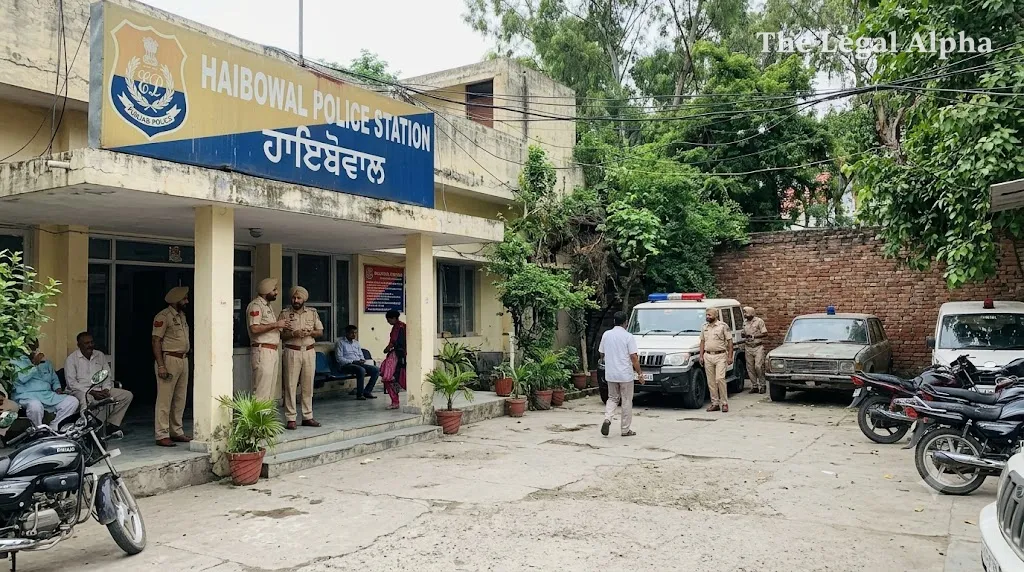
A violent altercation broke out between two families in Haibowal Kalan, Ludhiana, following growing discord over an interfaith marriage. The dispute escalated into an open street confrontation that required police intervention to restore order.
Following the incident, local police authorities registered a First Information Report (FIR) based on allegations raised by the bride's family, while actively evaluating counter-complaints submitted by the opposing side. The matter has triggered significant concern within the locality due to the sensitive nature of faith-related marital disputes and street-level violence.
Legal Topic
-
Area of Law: Criminal Law / Matrimonial & Family Offences
-
Sub-topic: Matrimonial Cruelty, Unlawful Conversion Allegations, and Public Order Offences
Core Legal Issue
The fundamental legal question confronting investigating authorities is whether the conflict constitutes matrimonial cruelty, unlawful coercion, and harassment under statutory criminal provisions, or whether the confrontation was a mutual physical brawl and retaliatory assault arising from an inter-family grievance.
Additionally, the authorities must evaluate the legal sustainability of religious conversion claims within the state of Punjab—where no specific anti-conversion legislation is in place—requiring prosecutors to rely strictly on general criminal laws prohibiting coercive actions, extortion, harassment, and intentional breach of public peace.
What Did the Court / Authority Decide?
Because the dispute remains in its initial procedural stage, no judicial verdict or judicial order has yet been passed. However, law enforcement officials have taken the following actions:
-
Registered an FIR initiating formal criminal proceedings.
-
Initiated search operations and surveillance to trace and question the individuals involved in the physical brawl.
-
Verified that a counter-complaint submitted by the opposing party's legal counsel is under active scrutiny for potential cross-FIR registration.
-
Deployed local security monitoring to avert further communal disharmony or public order breaches in Haibowal Kalan.
Key Legal Points
-
Distinction Between Criminal Coercion and Religious Conversion: In states without specialized anti-conversion statutes, coercion to change religion must be examined through the prism of criminal intimidation, bodily harm, and marital cruelty rather than standalone conversion infractions.
-
Assessment of Cross-Complaints: In public brawls involving opposing family groups, the police are mandated under the Bharatiya Nagarik Suraksha Sanhita (BNSS) to examine who constituted the primary aggressor and whether cross-FIRs are justified based on mutual injury claims.
-
Matrimonial Harassment Threshold: Allegations of domestic cruelty and dowry harassment must meet the statutory criteria of unlawful economic demand and harassment endangering life or health.
Relevant Law
-
Bharatiya Nyaya Sanhita, 2023 (BNS):
-
Provisions concerning rioting, unlawful assembly, and affray (disturbing public peace).
-
Provisions relating to matrimonial cruelty and harassment by a husband or relatives of a husband (formerly Section 498A IPC).
-
Provisions covering assault, voluntarily causing hurt, and criminal intimidation.
-
-
Bharatiya Nagarik Suraksha Sanhita, 2023 (BNSS):
-
Statutory mandates governing the registration of FIRs and preliminary inquiries in matrimonial and cross-clash disputes.
-
-
Constitutional Protections:
-
Article 21 and Article 25 of the Constitution of India: Freedom of personal choice in marriage and freedom of conscience/religion, balanced against public order and safety.
-
Lata Singh v. State of U.P. (2006): Supreme Court precedent affirming the absolute legal right of consenting adults to enter interfaith or inter-caste marriages free from parental or third-party interference and violence.
-
Arguments of the Parties
Complainant / Bride's Family: The complainant's side alleged that following the interfaith marriage, the bride was subjected to systematic pressure and undue coercion to undergo religious conversion. They further submitted that the husband and his relatives engaged in harassment and monetary demands connected to dowry, culminating in physical intimidation and an assault when objections were raised.
Accused / Groom's Family: The respondent party maintained that the allegations concerning forced religious conversion and dowry demands were fabricated as an afterthought due to familial hostility over the interfaith union. Through legal representation, they contended that the complainant's family instigated the physical confrontation, and they sought counter-action against members of the opposing group for violent assault and breach of peace.
Why Does It Matter?
This case highlights the recurring friction between individual autonomy in marital relationships and familial resistance across community lines. Legally, it illustrates the challenge police face when handling dual-faceted complaints that blend domestic abuse allegations with public order disruptions.
When interfaith marriages experience breakdown or tension, personal grievances frequently spill into the public domain, testing how effectively procedural criminal law can isolate genuine offences—such as physical assault, extortion, and harassment—from bad-faith cross-allegations aimed at settling personal scores.
Legal Takeaway
Interfaith marriages contracted by consenting adults remain constitutionally protected, but post-marital disputes alleging coercion, assault, or unlawful pressure fall strictly under substantive criminal statutes. Where street clashes occur between opposing families, investigating authorities must independently assess the culpability of each side through verifiable physical evidence rather than relying solely on initial allegations.
Sources
Primary Source:
-
Official statements and First Information Report (FIR) proceedings, Haibowal Police Station, Ludhiana Commissionerate.
Additional Sources:
-
Local police media briefings and press coverage, Hindustan Times (Chandigarh/Ludhiana bureau).
-
Legal framework under the Bharatiya Nyaya Sanhita, 2023 and Supreme Court jurisprudence on adult marital autonomy (Lata Singh v. State of U.P.).