Special CBI Court Has No Power Over Juvenile Trials: Punjab and Haryana High Court Rejects CBI Plea in Gurugram School Murder Case
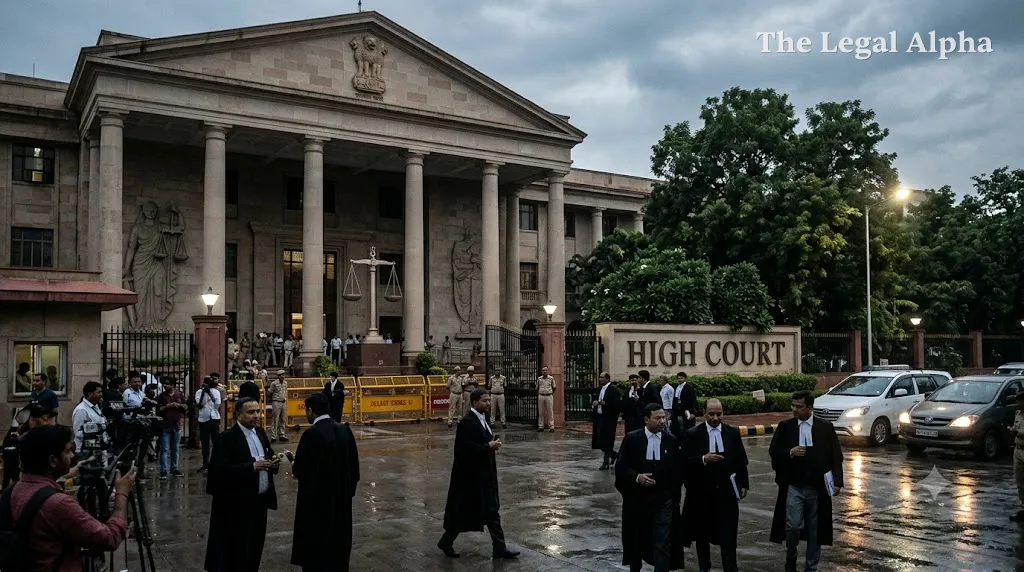
The Punjab and Haryana High Court dismissed a petition filed by the Central Bureau of Investigation (CBI) seeking the transfer of the 2017 Gurugram school child murder trial from the designated Children's Court in Gurugram to a Special CBI Judge in Panchkula. Justice Manisha Batra ruled that where a child in conflict with the law is ordered to be tried as an adult, the trial must remain before the territorial Children's Court in Gurugram and cannot be handed over to a Special CBI Court simply because the central agency conducted the probe.
Legal Topic
-
Area of Law: Criminal Law & Juvenile Justice
-
Sub-topic: Children’s Court vs Special CBI Court Jurisdiction / Transfer of Criminal Trials
Core Legal Issue
The central question was whether a Special CBI Judge possesses the statutory jurisdiction to try a juvenile who has been ordered to face trial as an adult under the Juvenile Justice (Care and Protection of Children) Act, 2015, or if such judicial authority is vested exclusively in the Children's Court.
The High Court also considered whether a transfer to a Children's Court in another district was justified several years after the proceedings had commenced and advanced substantially.
What Did the Court Decide?
The High Court rejected the CBI's transfer petition in its entirety. It held that the Special CBI Court at Panchkula lacks the statutory and subject-matter jurisdiction to conduct a trial governed by the Juvenile Justice Act for a juvenile being tried as an adult.
The bench also declined the agency’s alternative plea to transfer the matter to a Children's Court located in Panchkula, observing that the alleged offense occurred in Gurugram, where all key parties, family members of the victim, and relevant witnesses reside. The Court directed that the trial in Gurugram proceed expeditiously without further delay, instructing the CBI to secure witness attendance or examine them via video conferencing where necessary.
Key Legal Points
-
Lack of Jurisdiction in CBI Courts: A Special CBI Court lacks statutory jurisdiction to conduct trials of juveniles governed by the Juvenile Justice framework.
-
Primacy of the Juvenile Justice Act: The provisions of the Juvenile Justice (Care and Protection of Children) Act, 2015 prevail as special legislation over general procedural laws concerning juveniles.
-
Bar on Joint Trials: Under Section 23 of the Juvenile Justice Act, a child in conflict with the law cannot be subjected to joint proceedings with adults or removed from the specialized judicial mechanism established under the Act.
-
Prejudice of Belated Transfers: Moving a criminal proceeding years after evidence recording has advanced disrupts trial efficiency and creates undue hardship for the victim's family and witnesses.
Relevant Law
-
Juvenile Justice (Care and Protection of Children) Act, 2015: Specifically Sections 18(3), 19, and 23, governing the transfer of matters to the Children’s Court and the bar on joint trials.
-
Code of Criminal Procedure, 1973: Section 407, providing the High Court's discretionary power to transfer criminal cases and appeals.
-
Delhi Special Police Establishment Act, 1946: Pertaining to the investigative jurisdiction of the Central Bureau of Investigation.
Arguments of the Parties
-
The Petitioner (CBI): The CBI submitted that its Special Courts established in Panchkula hold state-wide jurisdiction across Haryana for matters investigated by the agency. Consequently, the CBI maintained that the trial should be assigned to the Special CBI Judge in Panchkula or, alternatively, to a Children's Court in that district to streamline agency-led prosecutions.
-
The Respondent & Opposing Parties: Counsel representing the accused and the victim's family countered that jurisdiction under the special provisions of the Juvenile Justice Act is non-negotiable and lies solely with the Children's Court in Gurugram. It was also argued that the incident occurred in Gurugram, most witnesses are locally based, and shifting proceedings across the state would impose an unfair burden and obstruct a swift trial.
Why Does It Matter?
This ruling clarifies the boundary between special anti-corruption/investigative courts and specialized child welfare benches. It affirms that the status of the investigating agency does not displace the protective procedural framework of the Juvenile Justice Act. Central agencies cannot bypass designated Children's Courts merely because their standard trials ordinarily lie before Special CBI Judges.
Legal Takeaway
A juvenile facing trial as an adult must be tried exclusively by the designated territorial Children's Court, not by a Special CBI Court. The investigative mandate of a central agency does not override or alter the specialized trial forum mandated by the Juvenile Justice Act.
Sources
-
Primary Source: Punjab and Haryana High Court, CBI v. State of Haryana & Ors., CRM-M-24867-2018 (O&M), Order delivered by Justice Manisha Batra.
-
Additional Sources: Punjab and Haryana High Court Cause Lists and Proceedings; Legal Reporting Archives.