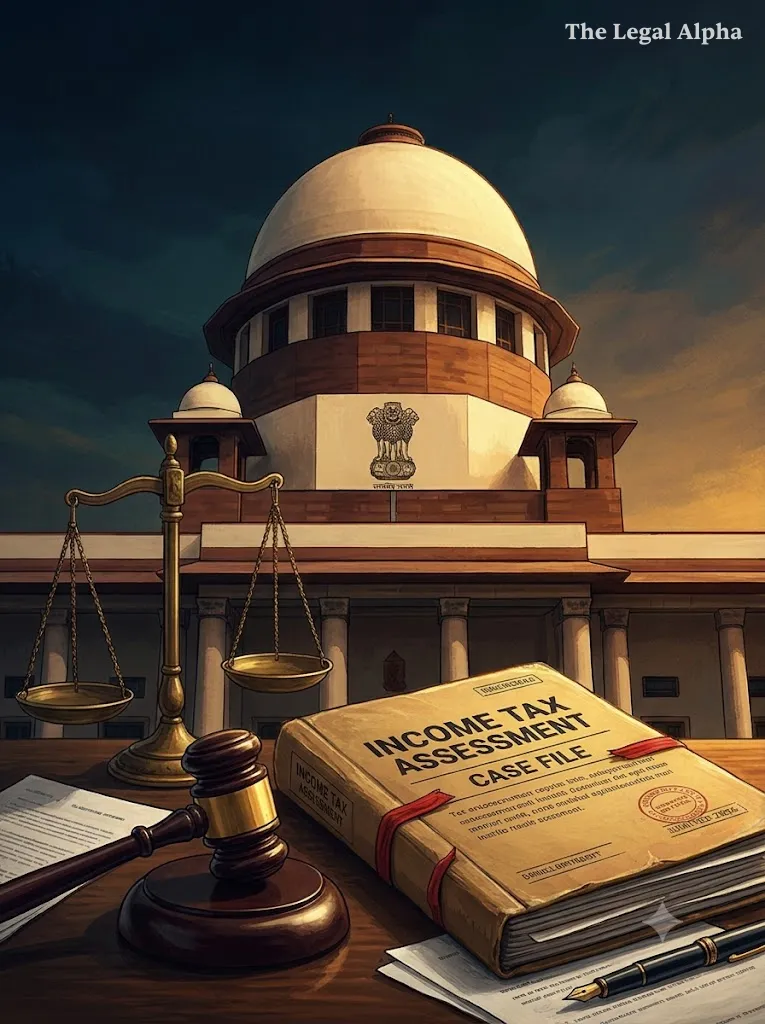
Supreme Court Rejects Unwritten Exclusions in Armed Forces Pension Rules, Grants War Injury Pension for Operation Rakshak Deployment
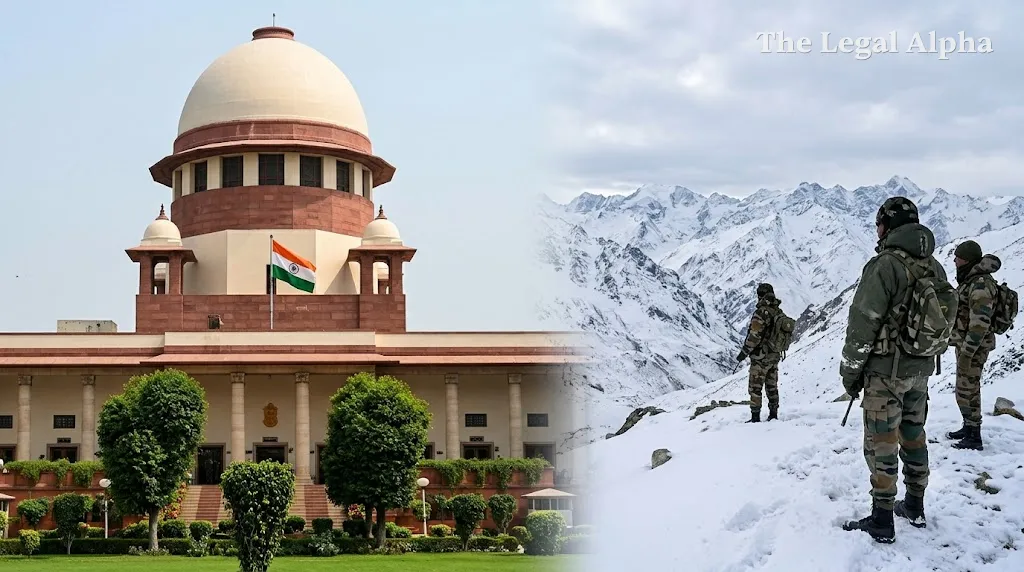
The Supreme Court of India dismissed an appeal by the Union of India against concurrent decisions of the Armed Forces Tribunal and the High Court granting war injury pension to an Army veteran, Narender Kumar. The soldier, who served in Kargil during Operation Rakshak, contracted rheumatoid arthritis due to adverse climatic conditions, which the Release Medical Board certified as aggravated by military service. While the Ministry of Defence granted him an ordinary disability pension upon discharge, it opposed his war injury pension claim on the ground that ongoing counter-insurgency operations were never intended to fall under the higher pension category. The Supreme Court rejected the government's stance, holding that executive authorities cannot restrict clear policy language after the fact through unwritten departmental intentions.
Legal Topic
-
Area of Law: Armed Forces & Service Law
-
Sub-topic: War Injury Pension / Statutory Policy Interpretation / Veterans’ Entitlements
Core Legal Issue
The dispute centered on the interpretation of Category E(i), Part II, Paragraph 4.1 of the Ministry of Defence Policy Letter dated January 31, 2001.
The primary question before the Court was whether a soldier posted in an operational theater during a notified military operation is entitled to war injury pension when the governing policy does not explicitly exclude that operation, or whether the government can restrict such entitlement based on oral assertions regarding unstated administrative intent.
What Did the Court Decide?
A Division Bench comprising Justice Pamidighantam Sri Narasimha and Justice Alok Aradhe dismissed the Union Government’s appeal and confirmed the veteran's entitlement to war injury pension.
-
Literal and Beneficial Construction: The Bench held that policy documents must be understood strictly by what they say rather than what exists in the imagination of the policymaker.
-
No Presumption of Exclusion: The Court found no documentary evidence or textual limitation in the relevant notifications excluding Operation Rakshak from Category E(i).
-
Directions to Ministry of Defence: To curb prolonged pension litigation and resolve chronic regulatory confusion, the Supreme Court directed the government to ensure that future operational notifications expressly clarify pension applicability, and urged the framing of clear, consolidated subordinate legislation for service entitlements.
Key Legal Points
-
Text Governs over Administrative Intention: An executive authority cannot rely on oral submissions in court to narrow down a policy benefit if the text of the notification contains no such restriction.
-
Liberal Interpretation of Beneficial Welfare Measures: Pensionary regulations framed for armed forces personnel must receive a broad, beneficial interpretation in favor of the serviceman where language permits.
-
Enabling Scope of Category E(i): While items (a) through (h) of Category E deal with specific active combat scenarios, sub-category (i) serves as an enabling mechanism empowering the Union to notify operations; once notified, the benefit attaches automatically unless specifically carved out.
-
Administrative Clarity Required: Multiple circulars and contradictory internal orders (such as Army Order 01 of 2003) cannot be deployed selectively to deny vested pensionary rights.
Relevant Law
-
Ministry of Defence Policy Letter No. 1(2)/97/D(Pen-C) dated January 31, 2001: Part II, Paragraph 4.1 (Category E) concerning War Injury Pension and disability attributable to military operations.
-
Army Order 01 of 2003: Provisions regarding classification and reporting of battle casualties.
-
Judicial Precedents on Beneficial Service Interpretation: Established principles governing the literal and welfare-oriented interpretation of armed forces pension rules.
Arguments of the Parties
Appellant (Union of India): The Union contended that Category E was meant strictly for war-like circumstances, direct enemy engagements, and specifically notified non-routine combat actions. The Additional Solicitor General argued that broad, ongoing operational deployments such as Operation Rakshak in Jammu and Kashmir or Operation Rhino in Assam were not meant to be covered under Category E(i). The government asserted that extending war injury pension to environmental disabilities contracted during ongoing internal security operations would dilute the distinction between ordinary disability pension and war injury benefits.
Respondent (Narender Kumar): Counsel for the veteran submitted that the disability originated directly during his operational deployment at the high-altitude post in Kargil while participating in Operation Rakshak. It was maintained that the Release Medical Board had explicitly affirmed the medical condition as service-aggravated. The defense emphasized that the policy text did not bar disabilities arising from Operation Rakshak, and administrative agencies could not write unexpressed exceptions into binding notifications.
Why Does It Matter?
This ruling directly curtails the practice of military and defence authorities defending denial of pensionary benefits by citing unexpressed departmental intent. By holding that policy text must be strictly respected unless an explicit statutory or regulatory exclusion exists, the Supreme Court has strengthened legal protection for armed forces veterans who suffer life-altering conditions in hostile border deployments. The judgment also sets a standard of accountability for the Ministry of Defence, compelling the government to replace ambiguous administrative instructions with clear, codified subordinate legislation.
Legal Takeaway
Government pension policies must be applied strictly as written, and the executive cannot restrict servicemen's welfare benefits through unwritten intentions argued in court. When an operational deployment is formally notified, armed forces personnel disabled in that theater remain entitled to war injury pension unless the policy explicitly provides otherwise.
Sources
-
Primary Source: Supreme Court of India, Union of India & Ors. v. Narender Kumar, Civil Appeal arising out of SLP (C) Diary No. 27220 of 2026, 2026 INSC 1166 (Decided on October 28, 2026).
-
Additional Sources: Ministry of Defence Pension Policy Letter dated January 31, 2001; Orders of the Armed Forces Tribunal and High Court in connected proceedings.