Punjab Dearness Allowance Arrears: High Court Slaps ₹1 Lakh Cost on Chief Secretary Over Continued Non-Compliance, Demands Personal Appearance
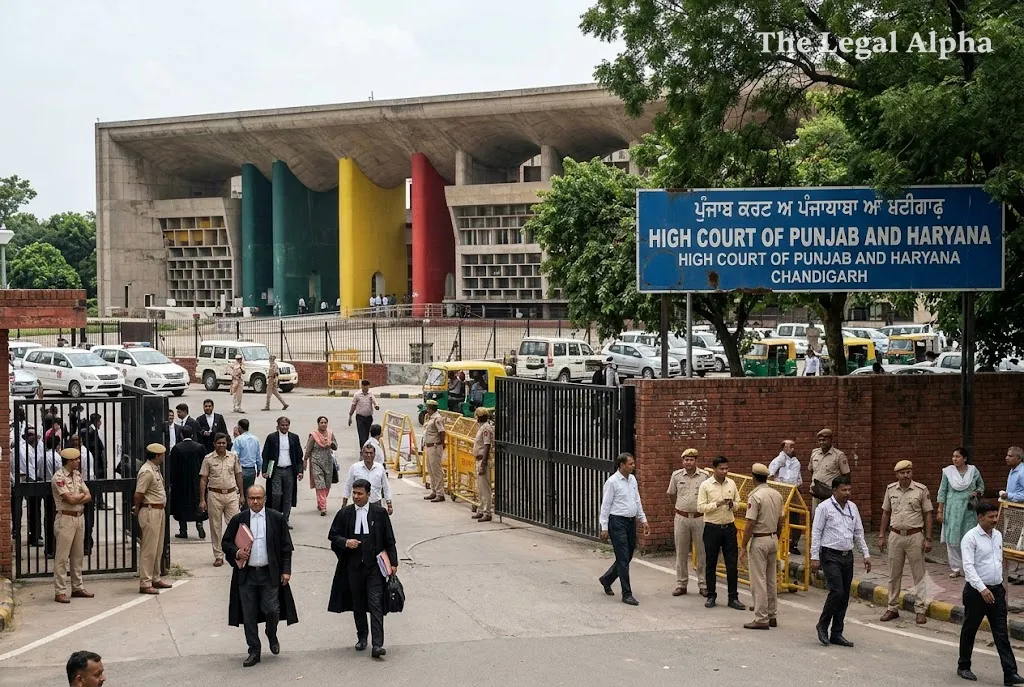
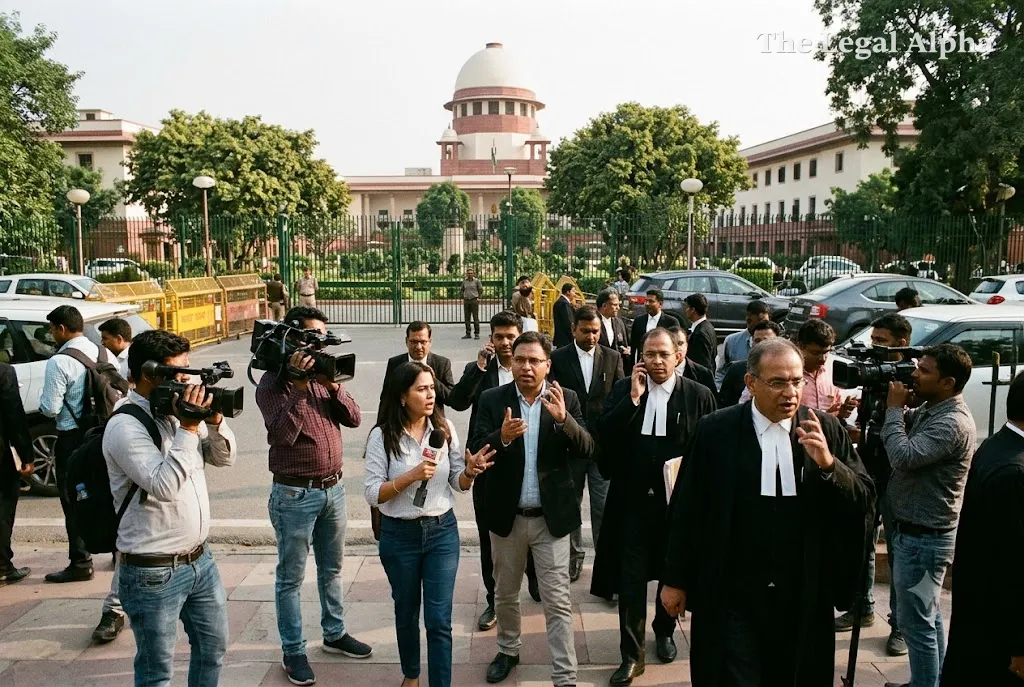
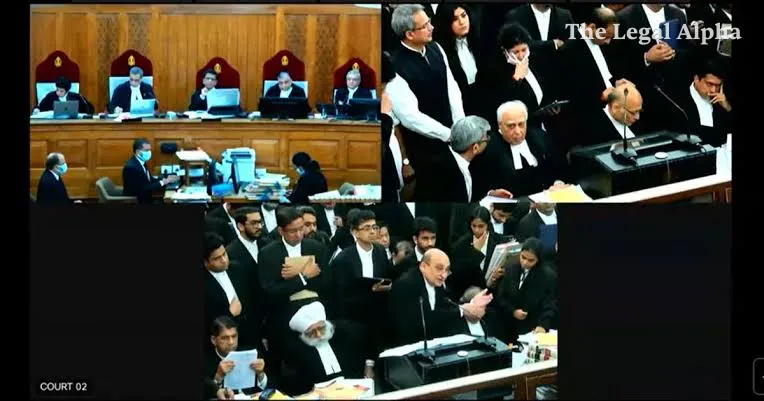
The Punjab and Haryana High Court has taken strong exception to the Punjab administration’s persistent delay in releasing unpaid Dearness Allowance (DA) and Dearness Relief (DR) dues to state personnel. Presiding over a contempt proceeding, Justice Harsh Bunger penalized Punjab Chief Secretary K.A.P. Sinha with ₹1 lakh in costs for failing to submit a formal response outlining the disbursal roadmap.
The court directed the state’s top bureaucrat to appear in person at the next hearing on November 3, 2026, accompanied by an explicit compliance affidavit detailing the schedule for clearing the outstanding instalments. The ongoing litigation carries direct financial consequences for nearly 8 lakh active civil servants and pensioners across Punjab.
Legal Topic
Area of Law: Service Law & Administrative Law
Sub-topic: Enforcement of Judicial Mandates / Contempt of Courts / Dearness Allowance Entitlements
Core Legal Issue
The controversy centres on whether an administrative government can defer, alter, or delay the payment of statutory salary allowances that have accrued under adopted pay structures by citing fiscal strain, once higher courts have already issued binding directions for their clearance.
Equally vital is the supervisory question of judicial enforcement: can the executive forestall contempt proceedings by merely mentioning the pendency of un-rectified appeals in the Supreme Court, without securing an interim stay?
What Did the Court / Authority Decide?
-
Imposed personal costs of ₹1 lakh on the Punjab Chief Secretary for non-compliance with prior judicial mandates regarding DA clearance.
-
Directed the Chief Secretary to appear in person on November 3, 2026.
-
Ordered the state administration to file an affidavit setting forth a clear, actionable timeline to release the accumulated arrears.
-
Clarified that the acceptance of any explanatory affidavit from the administration remains contingent upon the deposit of the ₹1 lakh cost.
-
Distinguished that while procedural penalties and appearance orders have been passed, final adjudication on formal civil contempt charges remains pending.
Key Legal Points
-
Binding Parity Principle: When an employer state adopts the Union Government's dearness allowance framework, release of periodic cost-of-living adjustments becomes an enforceable obligation rather than a discretionary benefit.
-
Fiscal Hardship vs. Vested Rights: Budgetary deficits or state exchequer limitations do not provide a legally sustainable ground to permanently suspend or arbitrarily stall vested financial entitlements of employees.
-
Filing Defective Appeals Does Not Abate Compliance: Filing a Special Leave Petition laden with administrative registry objections without securing a judicial stay from the apex court does not grant the executive immunity from High Court contempt proceedings.
-
Strict Judicial Accountability for Senior Executives: Courts can summon the administrative head of a state and levy monetary costs if repeated undertakings and time limits are disregarded.
Relevant Law
-
Article 14 of the Constitution of India: Equality before the law; previously invoked by the High Court to strike down arbitrary liquidation formulas that withheld allowance arrears.
-
Article 215 of the Constitution of India: Inherent power of High Courts as courts of record to punish for contempt of themselves.
-
Contempt of Courts Act, 1971: Sections 11 and 12, governing court powers, procedures, and sanctions for wilful disobedience of court orders.
-
Punjab Civil Services Rules: Provisions governing calculation, grant, and disbursement of Dearness Allowance and Dearness Relief parity with central grades.
Arguments of the Parties
-
The Contempt Petitioners (State Employees & Pensioners): Counsel for the petitioners submitted that the state had failed to abide by the Division Bench’s categorical directives to disburse accrued instalments. The petitioners pointed out that while the state pleaded fiscal constraints, it was simultaneously committing resources to extensive interstate publicity campaigns. They further argued that the administration’s Special Leave Petition before the Supreme Court was repeatedly kept pending with curable procedural defects, serving as a tactical measure to drag out proceedings without obtaining an actual stay.
-
The Respondent (State of Punjab): State counsel argued that the government was not acting in defiance of judicial authority, asserting that active reconciliatory talks had taken place at the highest executive levels with employee unions to reach an amicable solution. The state further maintained that appellate remedies were being pursued before the Supreme Court through a Special Leave Petition, and that registry defects were being systematically rectified without an intention to mislead the bench.
Why Does It Matter?
This development highlights the court's unwillingness to permit indefinite administrative delays when state employees' allowances are at stake. For roughly 800,000 public servants and pensioners in Punjab, the ruling increases pressure on the state to clear longstanding inflationary arrears.
From a broader administrative law perspective, the case serves as a warning against the practice of citing defective, unstressed appellate filings to avoid executing valid High Court orders. It reinforces that until an appellate forum grants an explicit stay, executive authorities must abide by existing judicial mandates or face personal accountability.
Legal Takeaway
A state government cannot avoid executing a high court judgment by citing financial hardship or pointing to an unadjudicated, defective appeal in a higher court. Where statutory allowances have attained finality, administrative heads remain personally answerable for timely compliance.
Sources
-
Primary Source: Record of proceedings and interim orders in contempt matters arising from Additional Chief Secretary to Government of Punjab v. Nirmal Singh Dhanoa and Others (LPA Nos. 1437, 1249 and 1290 of 2026), Punjab and Haryana High Court (Coram: Justice Harsh Bunger, order dated October 27, 2026).
-
Additional Sources: High Court cause list records; filings before the Supreme Court of India registry concerning the state's Special Leave Petition.