Probe Leaks and Trial by Media: Supreme Court Refers Abhishek Banerjee to Calcutta High Court for Interim Relief

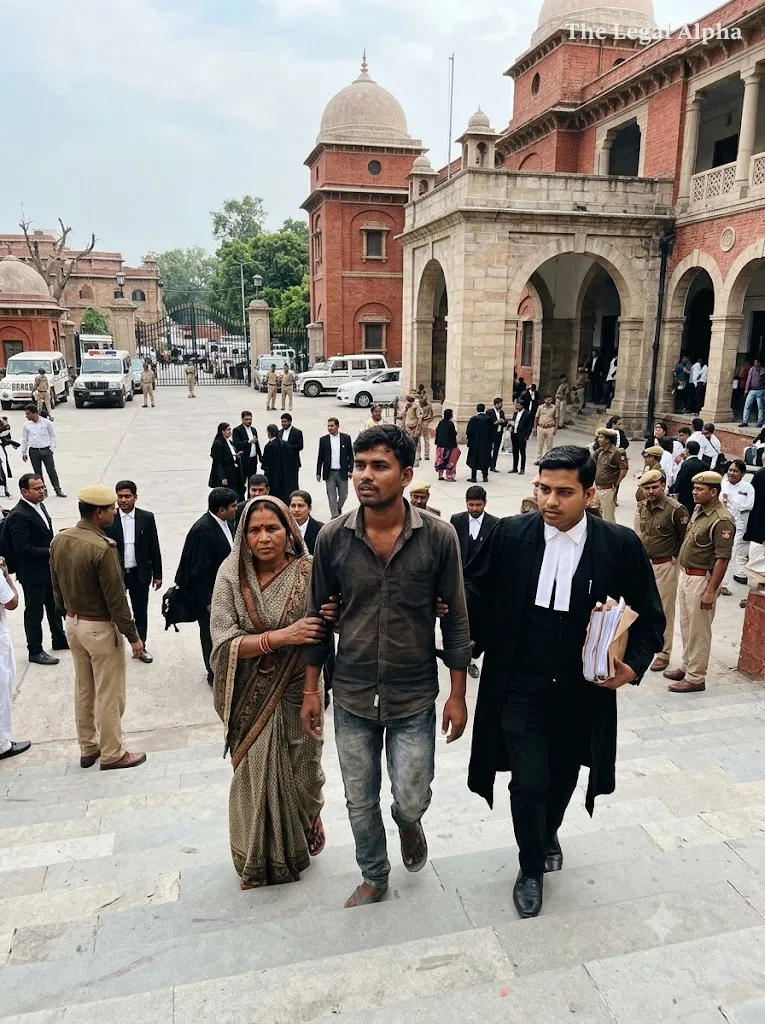
Trinamool Congress Member of Parliament Abhishek Banerjee approached the Supreme Court seeking immediate curbs on probe agencies and media outlets, alleging an ongoing media trial and selective leaks in criminal investigations pending against him.
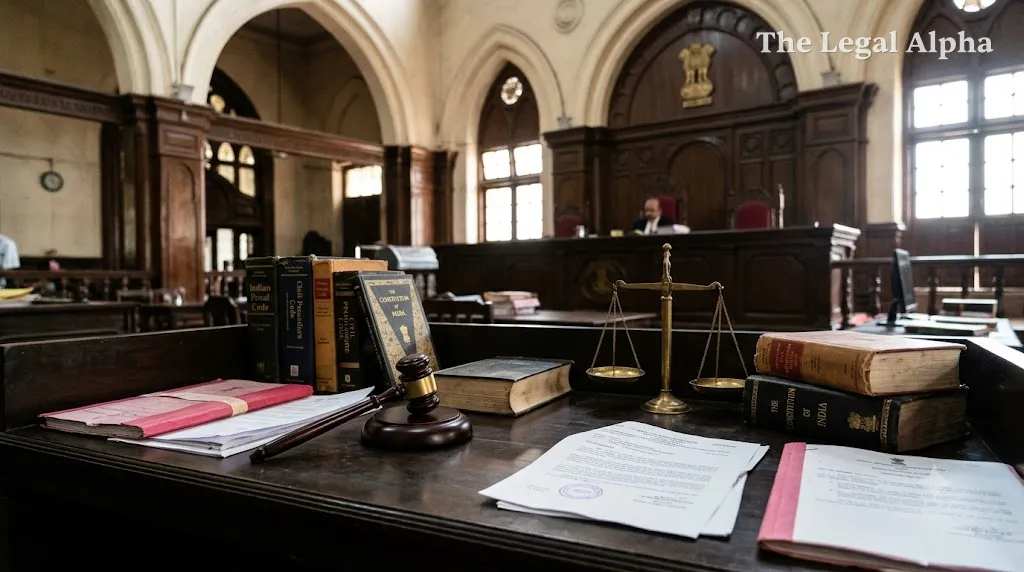
A Supreme Court bench declined to rule directly on the merits of the gag request or issue restraint orders. Pointing out that Banerjee’s writ petition on the same issue remains pending before the Calcutta High Court, the apex court directed him to pursue his application for interim relief before the High Court once it reopens after vacation on November 16, asking the High Court to consider the prayer.
Legal Topic
-
Area of Law: Criminal Jurisprudence & Constitutional Law
-
Sub-topic: Fair Trial Rights, Investigative Leaks & Media Trials
Core Legal Issue
The matter addresses whether selective leaks of investigative materials—such as search findings, interrogations, and operational steps—by law enforcement officials to media platforms violate an accused person's fundamental rights to dignity, fair investigation, and the presumption of innocence under Article 21 of the Constitution.
A related procedural question focuses on whether a litigant can leapfrog directly to the apex court under Article 136 when an urgent writ petition seeking protective injunctions against media disclosures faces scheduling delays in the jurisdictional High Court.
What Did the Court Decide?
The Supreme Court did not examine the substantive merits of the allegations nor issue restraint or take-down orders against news organizations or central agencies.
The court disposed of the special leave petition by granting Banerjee liberty to mention the matter before the Calcutta High Court as soon as it reconvenes after its festive break on November 16. The apex court asked the High Court to take up the application for interim relief and decide it in accordance with judicial procedure.
Key Legal Points
-
Preservation of Forum Discipline: The Supreme Court reaffirmed that when a High Court is actively seized of a constitutional writ concerning rights violations under Article 226, the apex court will refrain from issuing parallel substantive orders.
-
Balance Between Free Speech and Due Process: The adjudication of "media trial" injunctions requires balancing investigative reporting and press freedoms against an accused person's right to an uncompromised trial.
-
Presumption of Innocence: Unauthorized dissemination of intermediate investigative steps endangers judicial neutrality, reputational dignity, and fair trial guarantees protected by Article 21.
Relevant Law
-
Article 21, Constitution of India: Right to life, dignity, reputation, and procedural fair trial.
-
Article 19(1)(a) & Article 19(2), Constitution of India: Freedom of speech and press expression subject to reasonable restrictions, including administration of justice and defamation.
-
Article 226, Constitution of India: Power of High Courts to issue directions and prerogative writs for enforcing fundamental and legal rights.
-
Judicial Precedents on Investigative Disclosures: Principles establishing that investigative agencies cannot conduct premature press briefings or piecemeal disclosures that preempt judicial evaluation.
Arguments of the Parties
Petitioner
Counsel for Abhishek Banerjee argued that probe agencies were actively leaking confidential inquiry materials, interrogations, and search reports to news outlets, orchestrating a prejudicial media narrative. The petitioner submitted that:
-
Continuous disclosures directly infringe on the constitutional right to privacy, dignity, and a fair investigation under Article 21.
-
He approached the apex court because repeated mentionings before the Calcutta High Court could not secure an urgent hearing prior to the court recess due to roster allocation issues.
-
Urgent take-down orders and preventive reporting guidelines were required to arrest ongoing reputational harm.
Respondent / State Authorities
The central agencies and official respondents maintained that:
-
The petitioner’s application was already sub judice before the High Court, making the apex court plea premature.
-
Media organizations function within reporting boundaries, and broad prior-restraint orders should not be entertained without a detailed hearing on merits before the primary forum.
Why Does It Matter?
This development underscores the procedural friction individuals face when seeking rapid intervention against prejudicial reporting. In high-profile criminal inquiries, unverified investigative leaks frequently create parallel trials in the public sphere before formal charges or defenses are examined by a judge.
By directing the litigant back to the High Court, the Supreme Court emphasized judicial hierarchy: constitutional challenges to trial-by-media must be fully evaluated and remedied by jurisdictional High Courts rather than resolved through emergency apex-court bypasses.
Legal Takeaway
Litigants seeking injunctions against media reporting or unauthorized investigative leaks must pursue remedies through the High Court where their petitions are pending. The Supreme Court will avoid granting premature gag or take-down orders if the primary constitutional forum remains available to evaluate interim relief.
Sources
Primary Source:
-
Supreme Court of India: Abhishek Banerjee v. Union of India & Ors. [SLP (Crl) No. 20945/2026, Order dated November 3, 2026].
Additional Sources:
-
High Court at Calcutta: Pending Writ Proceedings on Investigative Disclosures and Media Reporting Guidelines.