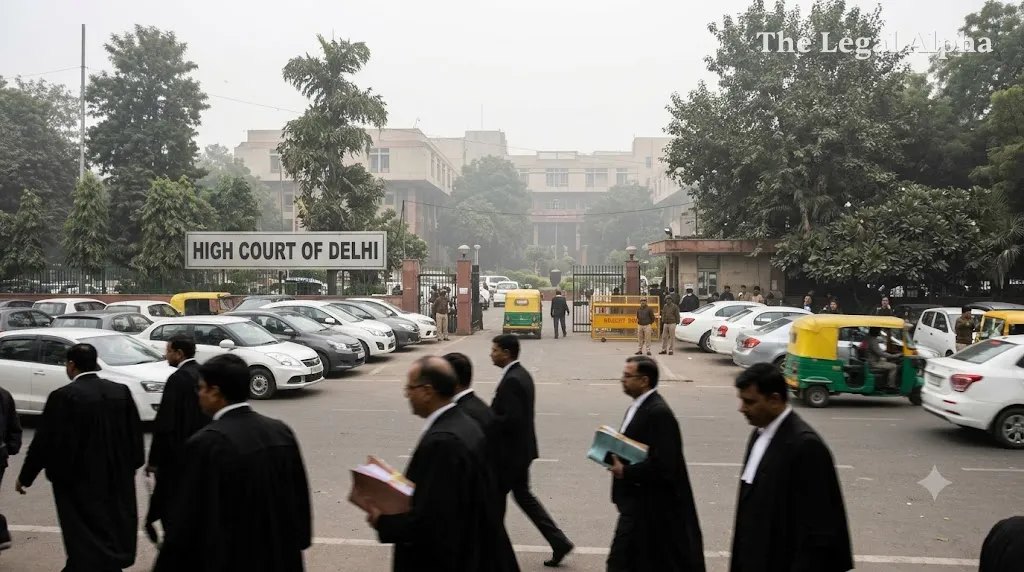
Prioritise Briefs Over Clout: Allahabad High Court Cautions Young Advocates Against Chasing Social Media Validation Amid Courtroom Disruptions
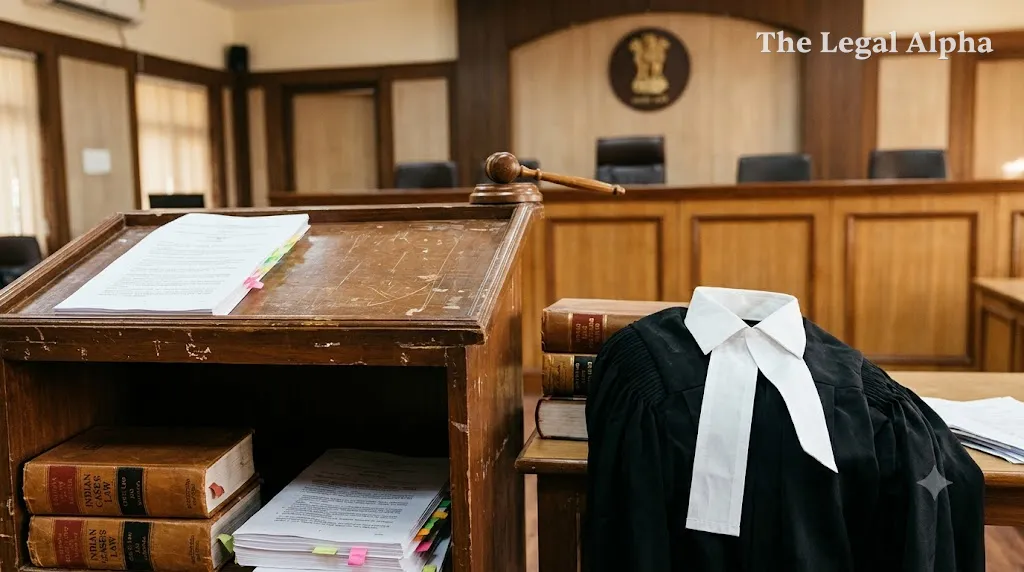
During the hearing of a bail application, the Allahabad High Court raised serious concerns over declining courtroom decorum and the growing tendency among junior counsel to pursue visibility on social media platforms.
The observations were prompted by disruptions in regular court functioning, where a faction of lawyers attempted to impede judicial work despite other advocates—including a woman practitioner seeking access to argue her matter—wishing to proceed. Taking note of contentious social media commentary targeting the functioning of the institution, the Court advised young legal practitioners to direct their energy toward rigorous legal research and case preparation rather than online popularity.
Legal Topic
Area of Law: Legal Profession & Judicial Administration
Sub-topic: Professional Ethics, Court Decorum, and Bar-Bench Relations
Core Legal Issue
The matter addressed the institutional obligation of the Bar to safeguard the administration of justice and uphold professional conduct.
Specifically, the Court examined whether internal dissent or strike-like protests can be permitted to obstruct willing advocates from appearing before the Bench, and highlighted how irresponsible digital engagement and public hostility risk eroding the institutional credibility that shields the legal fraternity itself.
What Did the Court Decide?
Justice Arun Kumar Singh Deshwal held that judicial proceedings cannot be brought to a standstill simply because a section of lawyers decides to boycott work, particularly when other counsel are ready to represent their clients.
The Court formally requested the newly elected governing body of the Allahabad High Court Bar Association to step in, address these recurring disruptions, and implement measures to maintain institutional stature. Reaffirming that the dignity of the profession encompasses both private practitioners and government standing counsel, the Court adjourned the underlying bail petition to November 26, 2026.
Key Legal Points
-
Protection of Willing Litigants and Counsel: The Bench clarified that judicial work will not halt at the behest of protesting members when advocates are present and willing to argue their briefs.
-
Professional Competence Over Digital Metrics: Junior members of the Bar were reminded that sustained professional stature stems from diligent brief preparation and legal scholarship, rather than social media traction.
-
Institutional Reciprocity and Public Trust: The social standing and practical safety of advocates rely directly on public faith in the High Court; compromising this authority exposes the legal community to administrative overreach and harassment by lawless elements.
-
Equal Dignity of the Bar: The Court underlined that statutory law officers and private advocates are equal constituents of the same Bar, and neither should face disparagement during procedural disagreements.
Relevant Law
-
The Advocates Act, 1961: Standards of Professional Conduct and Etiquette under Section 49(1)(c).
-
Bar Council of India Rules (Part VI, Chapter II): Duty of an advocate towards the court, colleagues, and litigants.
-
Article 215 of the Constitution of India: Inherent powers of a High Court as a court of record to regulate its proceedings and maintain dignity.
-
Supreme Court Precedents on Court Boycotts: The settled position established in Ex-Capt. Harish Uppal v. Union of India (2003), reaffirming that advocates have no right to strike or boycott court calls.
Arguments of the Parties
Applicant
The applicant had moved the Court seeking regular bail in a pending criminal proceeding (Rajesh v. State of U.P.). However, the core merits were deferred due to interruptions affecting the daily board.
Procedural Context / Interveners
While individual counsel sought entry to argue scheduled matters, protests by a group of advocates obstructed regular movement inside the courtrooms. Protesting factions voiced procedural grievances, which the Court observed had spilled onto online platforms in an unprofessional manner. The Bench maintained that individual grievances cannot compromise institutional functionality or client interests.
Why Does It Matter?
This order touches on a growing friction within the Indian legal landscape: the clash between traditional courtroom decorum and the unregulated digital conduct of legal practitioners. As young professionals increasingly rely on social media for branding and commentary, the Court's admonition serves as a reminder of the statutory boundaries governing legal ethics.
Beyond individual professional discipline, the Bench articulated a systemic vulnerability. If the moral and legal authority of the constitutional court is weakened through public obstruction and online trivialisation, advocates lose the very institutional shield that protects them against administrative retribution and local power brokers. It directs bar associations to exercise self-regulation before court administration is forced to take coercive measures.
Legal Takeaway
True advocacy is cultivated through mastery of legal doctrine and meticulous brief drafting, not internet virality. Bar associations and junior lawyers must actively safeguard the dignity of the Bench, as institutional credibility remains the sole foundation of their professional independence and public standing.
Sources
Primary Source:
Order of the High Court of Judicature at Allahabad in Rajesh v. State of U.P., Criminal Misc. Bail Application, presided over by Justice Arun Kumar Singh Deshwal (Order dated October 30, 2026).
Additional Sources:
High Court of Judicature at Allahabad proceedings report; Bar & Bench legal reporting dispatch; LiveLaw judicial updates.