Pre-Trial Incarceration Should Not Turn The Process Into Punishment: Justice Sanjay Kishan Kaul

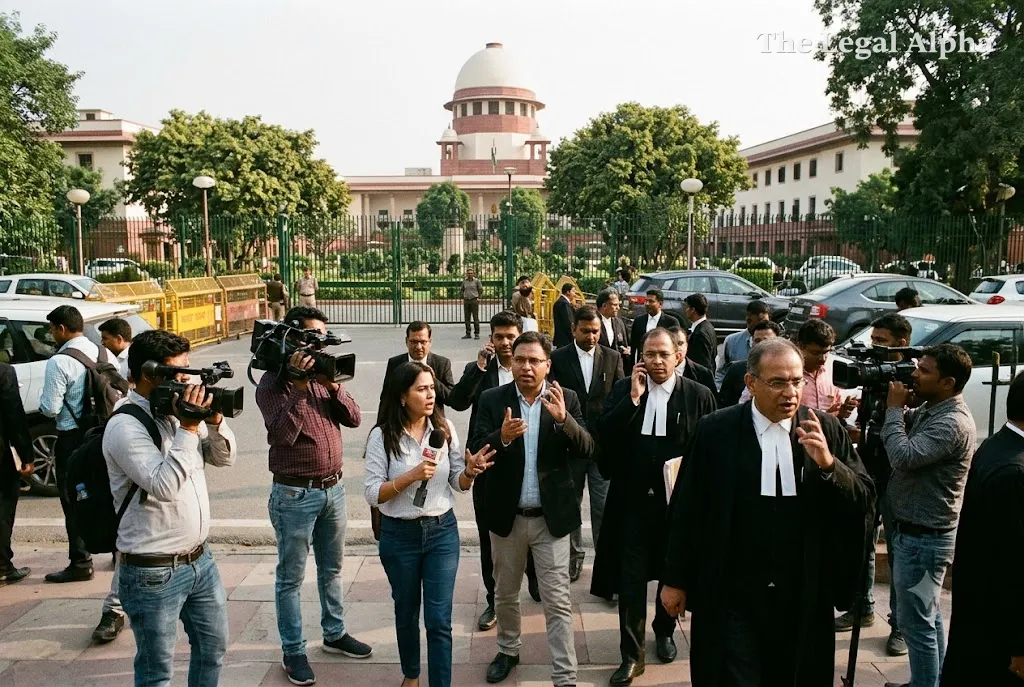
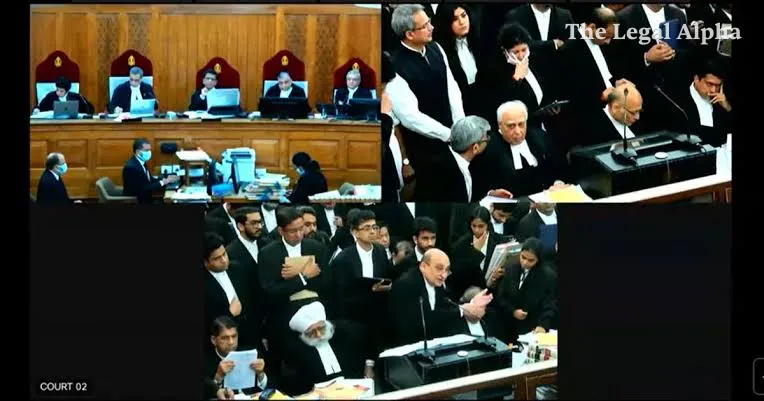
Former Supreme Court judge Justice Sanjay Kishan Kaul raised serious concerns regarding the criminal justice system, highlighting how prolonged pre-trial incarceration increasingly operates as de facto punishment before trial completion. In a recent interview discussing high-profile undertrial detentions under stringent special statutes, the retired judge observed that while conviction is meant to be the penal consequence of a crime, the pre-trial stage itself has become punitive due to severe statutory restrictions and procedural delays.
Justice Kaul drew attention to the ongoing tension between individual liberty and statutory thresholds that bar bail, noting that while the judiciary generally treats bail as the default norm, several special statutes severely limit judicial discretion.
Legal Topic
-
Area of Law: Criminal Law and Constitutional Law
-
Sub-topic: Pre-trial Detention, Bail Jurisprudence, and Right to Speedy Trial under Article 21
Core Legal Issue
The central legal question pertains to whether prolonged undertrial detention—compounded by rigid statutory bars on bail—violates the fundamental right to personal liberty and a speedy trial guaranteed under Article 21 of the Constitution of India.
Specifically, the issue examines how courts must balance statutory restrictions in special penal legislation against the constitutional safeguard that pre-trial detention must never substitute for a formal conviction.
What Did the Authority / Jurist Observe?
Drawing from his tenure on the bench and established precedents, Justice Kaul highlighted several critical structural issues:
-
Punishment Before Guilt: Conviction is the sole legitimate penal outcome under the rule of law; prolonging undertrial detention without a conclusive trial converts the judicial process itself into punishment.
-
Judicial Discretion and Restrictive Statutes: Although jurisprudence establishes bail as the general rule, specific legislations (such as the Unlawful Activities (Prevention) Act and the Prevention of Money Laundering Act) mandate onerous pre-conditions that significantly circumscribe the courts' ability to release accused persons.
-
Affirmation of Guidelines: Reference was made to precedents where the Supreme Court formulated clear criteria to check unnecessary custodial detentions and enforce adherence to procedural safeguards.
Key Legal Points
-
Presumption of Innocence: The presumption of innocence remains foundational to criminal law, dictating that an accused should not serve substantive jail time merely awaiting trial.
-
Process as Punishment: Systemic delays at the stages of investigation, framing of charges, and trial proceedings often result in accused individuals spending years in jail without a judicial determination of guilt.
-
Bail as the Standard Norm: Standard criminal procedure dictates that deprivation of personal liberty before conviction must be strictly necessary, not arbitrary or automatic.
-
Impact of Special Legislation: Stringent negative burdens placed on the accused at the bail stage under special statutes frequently clash with constitutional guarantees of expeditious justice.
Relevant Law
-
Constitution of India:
-
Article 21 (Protection of life and personal liberty; right to speedy trial)
-
Article 14 (Equality before law and protection against arbitrary state action)
-
-
Code of Criminal Procedure, 1973 (CrPC) / Bharatiya Nagarik Suraksha Sanhita, 2023 (BNSS):
-
Sections governing arrest protocols and mandatory compliance prior to detention (Sections 41, 41A CrPC)
-
Provisions relating to regular and default bail (Sections 437, 439, 167(2) CrPC)
-
-
Special Acts with Strict Bail Clauses:
-
Unlawful Activities (Prevention) Act, 1967 (Section 43D(5))
-
Prevention of Money Laundering Act, 2002 (Section 45 twin conditions)
-
-
Key Precedents:
-
Satender Kumar Antil v. Central Bureau of Investigation (2022)
-
Siddharth v. State of Uttar Pradesh (2021)
-
Perspectives on Pre-Trial Detention
-
Rights and Liberty Advocates: It is maintained that incarcerating undertrials for prolonged durations without an active trial subverts due process, renders the presumption of innocence illusory, and leads to severe overcrowding in correctional facilities.
-
Prosecutorial and Investigative Position: Investigating agencies maintain that rigorous pre-trial custody conditions in national security and complex economic offences are vital to prevent evidence tampering, avoid witness intimidation, and ensure the integrity of exhaustive investigations.
Why Does It Matter?
This dialogue directly impacts thousands of undertrial prisoners who constitute the overwhelming majority of India's prison population. When procedural delays prevent timely trials, prolonged detention inflicts irreversible reputational, social, and economic harm upon individuals who may ultimately be acquitted. For the legal system, it underlines an urgent imperative: subordinate courts and trial judges must exercise bail jurisdictions robustly, ensuring statutory provisions are balanced against overarching constitutional liberties.
Legal Takeaway
Pre-trial detention is intended strictly as a measure to secure the presence of an accused and prevent interference with justice, never as an advance execution of a sentence. Prolonged incarceration resulting from procedural inertia subverts Article 21, reinforcing that the judicial process itself must not become the penalty.
Sources
-
Primary Source: Public interview/statements and jurisprudence of Justice Sanjay Kishan Kaul (Satender Kumar Antil v. CBI; Siddharth v. State of UP).
-
Additional Sources: ANI interview report; Bar and Bench; Supreme Court of India Caselaw Records.