Panjab University Cannot Enhance Faculty Retirement Age to 65 Without Central Sanction: High Court
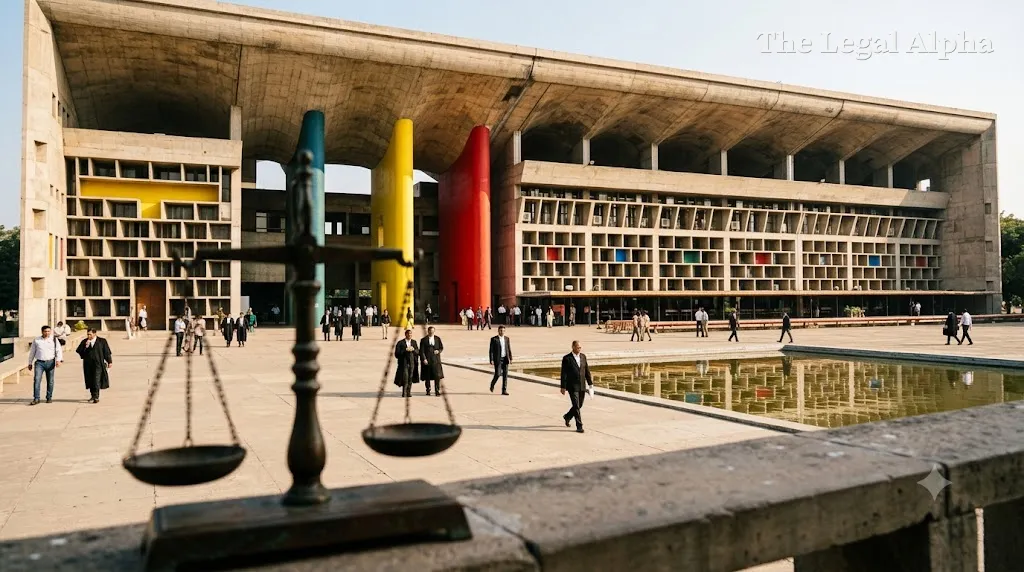
The Punjab and Haryana High Court dismissed a plea seeking enhancement of the retirement age of Panjab University teaching staff from 60 to 65 years, ruling that the university is neither a Central university nor a centrally funded institution. While the university’s governing body, the Senate, had resolved to amend its internal regulations to increase the superannuation age in line with University Grants Commission (UGC) standards, the High Court held that such an amendment cannot take legal effect without the explicit sanction of the Central Government.
Because the central authority has not granted statutory approval to the proposed change, the court held that teachers must continue to superannuate at the age of 60.
Legal Topic
-
Area of Law: Service Law / Administrative Law
-
Sub-topic: Superannuation Age / University Autonomy and Central Government Sanction
Core Legal Issue
The core legal question before the court was whether Panjab University's adoption of UGC Regulations and internal Senate resolutions could unilaterally override its statutory regulations to raise the superannuation age to 65, or whether any alteration to service conditions under the Panjab University Act, 1947 remains contingent on formal approval from the Central Government.
What Did the Court Decide?
The High Court held that:
-
Panjab University is an inter-state body corporate under Section 72 of the Panjab Reorganisation Act, 1966, and does not fall under the definition of a Central university or a centrally funded university.
-
UGC Regulations, 2010 do not apply automatically to alter the retirement age of the varsity's faculty members.
-
A resolution passed by the Senate to amend Regulation 17.3 (which fixes the retirement age at 60) cannot take effect on its own; it requires mandatory sanction from the Central Government under Section 31 of the Panjab University Act, 1947.
-
Since the Central Government has not approved the proposal—which has remained pending since December 26, 2011—the court declined to issue a mandamus granting extension to 65 years. The petition was accordingly dismissed.
The Bench acknowledged that the prolonged and unexplained delay by the Union Government in deciding the statutory proposal was unfortunate, but ruled that judicially stepping in without executive clearance would upset settled administrative practices and trigger widespread litigation.
Key Legal Points
-
Inter-State Body Corporate Status: Panjab University retains a distinct legal identity governed by Section 72 of the Panjab Reorganisation Act, 1966, separating it from standard Central universities funded directly and exclusively under central statutes.
-
Inapplicability of Automatic UGC Superannuation: Higher superannuation ages recommended or adopted under UGC frameworks for centrally funded institutions do not automatically alter the conditions of service framed under state or inter-state university statutes.
-
Mandatory Central Sanction: Under Section 31 of the Panjab University Act, 1947, regulations framed or amended by the Senate require the formal sanction of the Central Government before becoming enforceable law.
-
Judicial Restraint in Policy Matters: Determining or modifying the age of superannuation falls within executive policy and legislative authority, precluding courts from forcing amendments in the absence of valid statutory sanction.
Relevant Law
-
Section 31, Panjab University Act, 1947: Empowers the Senate to make regulations concerning conditions of service, subject to the sanction of the government.
-
Section 72, Panjab Reorganisation Act, 1966: Governs the continuing operations, maintenance, and inter-state status of Panjab University following the reorganization of the state of Punjab.
-
Regulation 17.3, Chapter VI (A), Panjab University Calendar: Stipulates that all full-time members of the teaching staff shall retire upon attaining 60 years of age.
-
UGC Regulations on Minimum Qualifications for Appointment of Teachers and Other Academic Staff, 2010.
Arguments of the Parties
Petitioner
-
The petitioner argued that Panjab University had formally resolved to adopt the UGC Regulations, 2010, which provide for a retirement age of 65 years.
-
It was submitted that teachers should be permitted to continue in regular service until the age of 65 with full benefits, parity with Central university faculty, and relief from premature retirement at 60.
Respondent / University & Authorities
-
The respondents submitted that service conditions of the faculty are strictly governed by the Panjab University Calendar, which fixes the age of superannuation at 60 under Regulation 17.3.
-
It was argued that while the Senate resolved to amend the regulation, the amendment remains inoperative because statutory sanction from the Central Government has not been granted.
-
They further noted that existing rules only permit re-employment up to 65 for teaching and research without administrative duties, and that the university cannot be treated as a Central university.
Why Does It Matter?
This ruling reaffirms the strict limits on university autonomy when internal changes intersect with statutory oversight and financial sharing mechanisms. By reiterating that Panjab University is neither a Central university nor automatically bound by central pay/superannuation schemes, the High Court brings finality to repeated faculty petitions seeking judicial parity with central institutions.
Administratively, it leaves the retirement threshold at 60 while permitting re-employment up to 65 solely for academic work. Systemically, the judgment clarifies that governing body resolutions remain legally dormant until all statutory ratification tiers—specifically Union executive clearance—are fulfilled.
Legal Takeaway
An internal university resolution recommending a higher retirement age cannot be enforced if governing legislation makes amendments subject to Central Government approval. Without formal statutory sanction from the appropriate executive authority, service regulations cannot be bypassed through judicial directives.
Sources
Primary Source:
-
High Court of Punjab and Haryana at Chandigarh, Judgment in Civil Writ Petition concerning the superannuation age of Panjab University faculty and amendment to Regulation 17.3 under the Panjab University Act, 1947 (delivered October 2026).
Additional Sources:
-
Panjab University Act, 1947 (Section 31).
-
Panjab Reorganisation Act, 1966 (Section 72).
-
Panjab University Calendar (Volume III), Regulation 17.3.
-
Prior Division Bench precedents, including Dr. A.C. Julka & Others v. Panjab University & Others (2008).