No Interim Suspension of Practice Pending Disciplinary Probe: Allahabad High Court Sets Aside State Bar Council Order
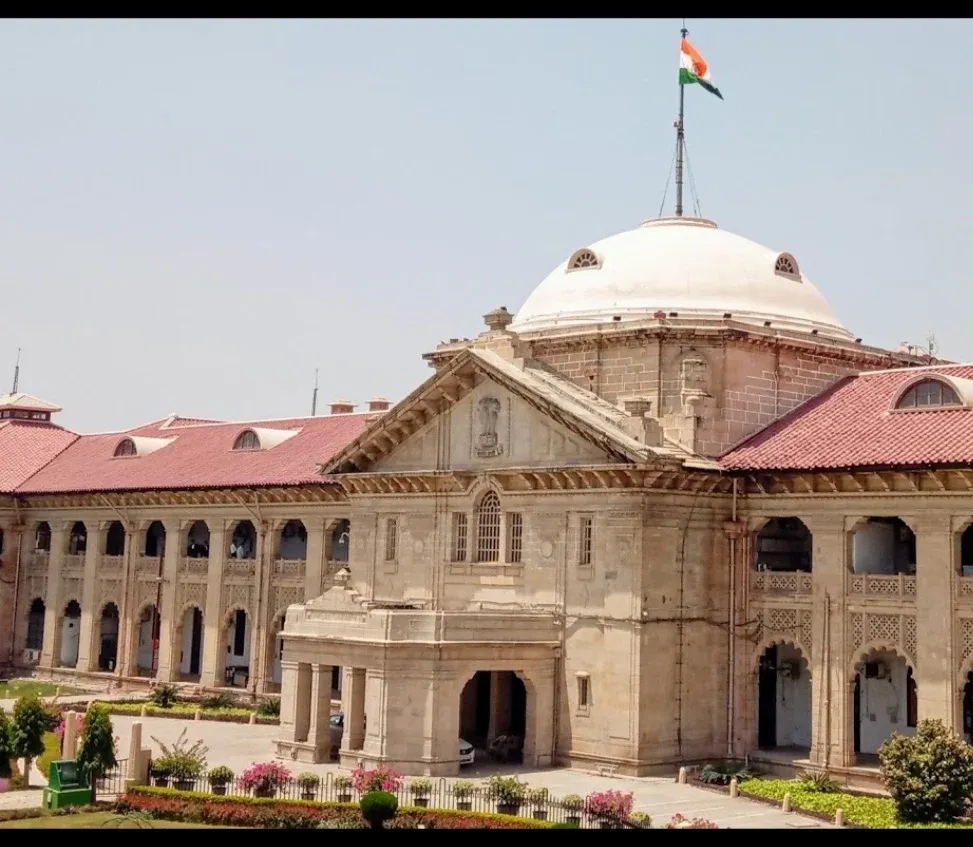
The Allahabad High Court ruled that a State Bar Council possesses no statutory jurisdiction to suspend an advocate’s license as an interim measure while a disciplinary inquiry is still pending.
The decision came on a petition filed by two Lucknow bar leaders—Akhilesh Jaiswal, President of the Central Bar Association (Civil Court, Lucknow), and Avnish Dixit, the association's General Secretary. Both office bearers had approached the court challenging an order passed by the Disciplinary Committee of the Bar Council of Uttar Pradesh, which suspended their licenses to practice pending proceedings against them.
Setting aside the suspension, a Division Bench at the Lucknow seat found that the regulatory body had bypassed statutory limits and fundamental procedural fairness.
Legal Topic
Area of Law: Legal Profession & Regulatory Law
Sub-topic: Disciplinary Proceedings / Interim Suspension of License to Practice
Core Legal Issue
The primary question before the court was whether Section 35(3)(c) of the Advocates Act, 1961, empowers a State Bar Council or its Disciplinary Committee to pass an interim order suspending an advocate from practice during the pendency of a disciplinary inquiry.
Specifically, the court examined whether the power to suspend an advocate’s license is strictly a final punishment that can only be imposed at the conclusion of disciplinary proceedings, or whether an interlocutory suspension is permissible under the statutory scheme.
What Did the Court / Authority Decide?
A Division Bench comprising Justice Shekhar B. Saraf and Justice Abdhesh Kumar Chaudhary quashed and set aside the Bar Council of Uttar Pradesh's suspension order.
The bench held that the power to order suspension under Section 35(3)(c) of the Advocates Act is strictly final in character and cannot be exercised at an interim stage. The court also observed that the Disciplinary Committee failed to demonstrate that a copy of the underlying complaint had been supplied to the petitioners, despite their explicit requests, violating the principles of natural justice.
While the interim suspension was quashed, the court did not quash the proceedings themselves. The bench directed both advocates to appear before the disciplinary authority on October 11 to participate in the ongoing inquiry. It further ordered the Bar Council to supply any required documents requested by the petitioners within 24 hours, while cautioning the advocates not to seek unnecessary adjournments.
Key Legal Points
-
Exclusively a Final Remedy: An order of suspension under Section 35(3)(c) of the Advocates Act, 1961, constitutes a final statutory order and cannot be deployed as an interim sanction during an ongoing inquiry.
-
Absence of Interim Powers: The Advocates Act does not confer inherent or incidental authority upon a State Bar Council or its disciplinary committees to suspend an advocate's right to practice mid-inquiry.
-
Adherence to Natural Justice: Regulatory authorities cannot impose punitive restrictions on an advocate without supplying the complaint and affording a meaningful opportunity to answer the allegations.
-
Reaffirmation of High Court Jurisprudence: The ruling aligns with the Madras High Court’s Division Bench precedent in R. Jim, confirming that statutory procedures must be strictly honored before any deprivation of professional practice can occur.
Relevant Law
-
The Advocates Act, 1961 – Section 35: Outlines the disciplinary mechanism for professional or other misconduct, stipulating under sub-section (3) the specific final orders a disciplinary committee may pass following a full inquiry, including dismissal, reprimand, suspension, or removal from the roll.
-
Principles of Natural Justice (Audi Alteram Partem): The procedural requirement that no adverse or prejudicial order affecting professional practice may be issued without furnishing the allegations and hearing the affected party.
-
Judicial Precedent: R. Jim v. Secretary, Bar Council of Tamil Nadu and Puducherry (Madras High Court), which affirmed that the Advocates Act does not authorize interim suspensions pending disciplinary inquiries.
Arguments of the Parties
Petitioners
Counsel for the bar association leaders argued that the Bar Council of Uttar Pradesh acted without statutory jurisdiction in imposing an interim suspension. They submitted that Section 35 of the Advocates Act does not provide for mid-inquiry suspensions and pointed out that the committee failed to adhere to natural justice, having suspended them without even providing a copy of the complaint.
Opposing Parties / Bar Council
Counsel representing the regulatory authorities submitted that the disciplinary committee was seized of a complaint concerning misconduct and acted within its regulatory oversight to maintain order and discipline within the legal fraternity while the inquiry progressed.
Why Does It Matter?
The decision reinforces essential procedural protections for legal practitioners across India. An advocate's license to practice directly implicates their livelihood and constitutionally protected right to pursue an occupation. Allowing regulatory bodies to issue interim suspensions without concluded inquiries creates a risk of arbitrary administrative action, especially in contentious bar politics.
By establishing that Section 35(3)(c) operates solely as a final determination, the ruling ensures that professional disciplinary bodies cannot bypass formal fact-finding procedures. Regulatory bodies retain full authority to investigate and discipline misconduct, but they must complete the inquiry and respect procedural safeguards before restraining an advocate from the courtroom.
Legal Takeaway
A State Bar Council has no statutory power under the Advocates Act, 1961, to suspend an advocate's license at an interim stage of a disciplinary proceeding. Suspension of legal practice is a final penal consequence that can only be imposed after completing a formal inquiry conducted in strict adherence to the principles of natural justice.
Sources
-
Primary Source: High Court of Judicature at Allahabad (Lucknow Bench), Judgment and Order in Akhilesh Jaiswal and Another v. Bar Council of India and Others (Division Bench of Justice Shekhar B. Saraf and Justice Abdhesh Kumar Chaudhary).
-
Additional Sources: The Advocates Act, 1961 (Section 35); R. Jim v. Secretary, Bar Council of Tamil Nadu and Puducherry (Madras High Court).