Minority at Time of Land Mutation Cannot Shield Decades of Post-Adulthood Inaction: Jammu & Kashmir High Court
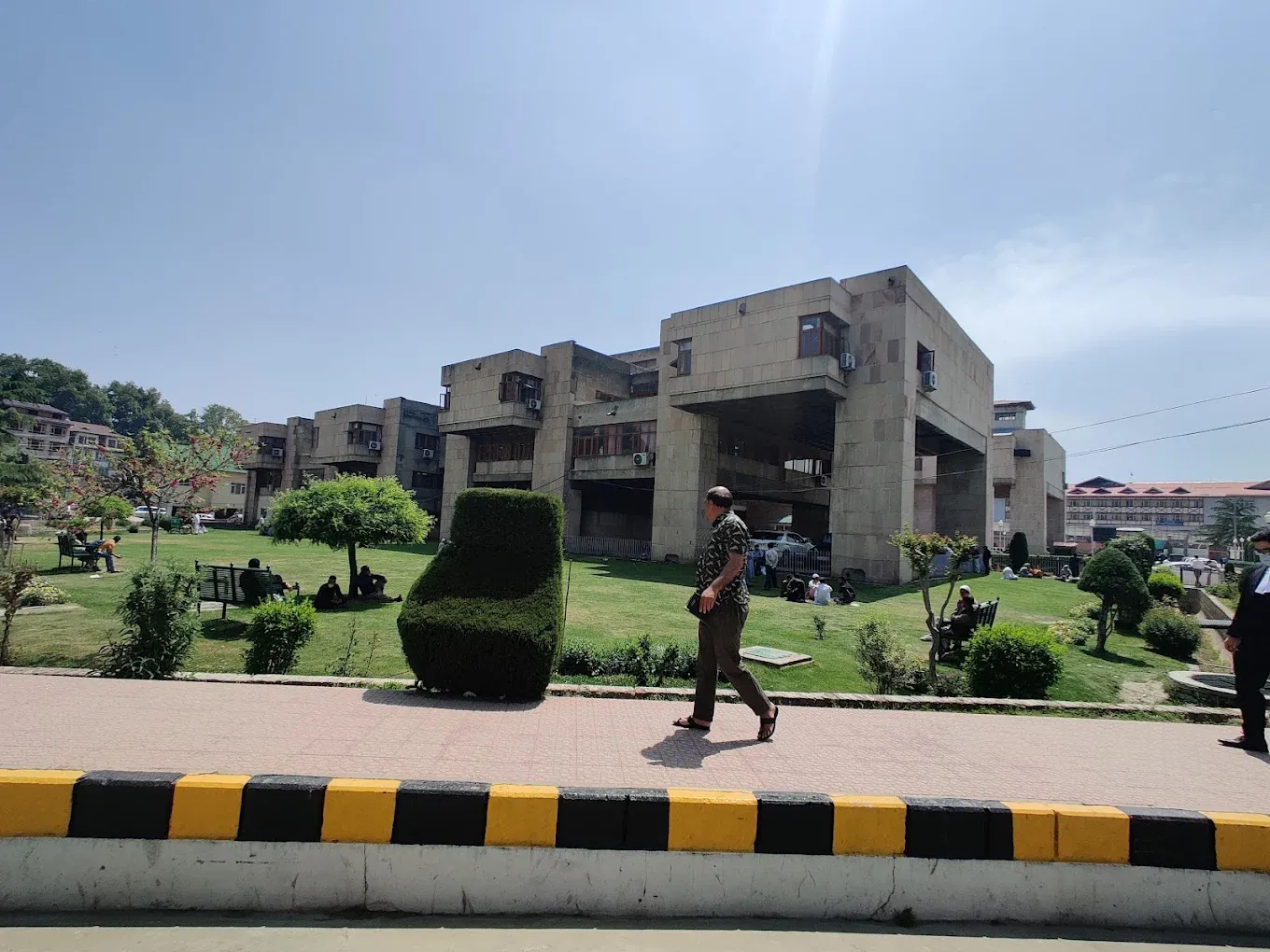
The High Court of Jammu & Kashmir and Ladakh dismissed a writ petition challenging a land mutation order attested more than five decades ago, in 1970.
The petitioner approached the High Court seeking to set aside the decades-old revenue entry, arguing that they were a minor when revenue officials attested the mutation. However, the petitioner failed to offer any valid justification for why no challenge was mounted for decades after reaching adulthood.
Declining to intervene, the High Court held that while the law protects individuals during their minority, that status cannot serve as an open-ended excuse for prolonged slumber once a person attains majority.
Legal Topic
Area of Law: Revenue Law / Constitutional Law
Sub-topic: Land Mutation, Delay and Laches, Legal Disability
Core Legal Issue
The central question before the court was whether a litigant can invoke the discretionary writ jurisdiction of the High Court under Article 226 of the Constitution to challenge a revenue mutation attested during their minority, after remaining silent for decades following the attainment of majority.
What Did the Court Decide?
The High Court dismissed the writ petition on grounds of gross delay and laches.
The bench observed that legal disability protects a minor only until they reach adulthood. Once an individual turns eighteen, they are expected to act with reasonable diligence to assert or defend their property rights. The court emphasized that extraordinary constitutional remedies under Article 226 cannot be exercised to destabilize land records that have remained settled and acted upon for over half a century.
Key Legal Points
-
Disability Ceases Upon Majority: The legal protection afforded to a minor ends the moment they attain adulthood; the clock for challenging adverse actions begins running from that date.
-
Doctrine of Laches Governs Writ Relief: Discretionary relief under Article 226 will not be extended to litigants who sleep over their claims for decades without an adequate, continuous explanation.
-
Finality of Long-Standing Property Records: Revenue mutations that have governed ownership, succession, and possession for over fifty years cannot be unsettled casually, as doing so disrupts third-party rights and administrative certainty.
-
No Exemption from Diligence: Merely asserting that an order was passed during one's childhood does not grant an automatic, lifelong license to bypass statutory limitation periods or equitable doctrines.
Relevant Law
-
Article 226, Constitution of India: Discretionary writ jurisdiction of High Courts and the equitable doctrine of delay and laches.
-
Jammu & Kashmir Land Revenue Act, Svt. 1996: Statutory framework governing the attestation, correction, and appeal of revenue mutation entries.
-
Section 6, Limitation Act, 1963: Principles governing legal disability (minority) and the obligation to institute proceedings within the prescribed period after disability ceases.
Arguments of the Parties
Petitioner
The petitioner argued that:
-
The 1970 mutation was bad in law and void ab initio because it was attested while the petitioner was a minor without adequate representation.
-
An illegal or procedurally defective revenue mutation does not confer valid rights and can be challenged regardless of the passage of time.
Respondent / State
The respondents submitted that:
-
The petition suffered from fatal, unexplained delay and laches, having been filed more than fifty years after the mutation was attested.
-
The petitioner attained majority decades earlier and took no steps before revenue authorities or civil courts during the intervening period.
-
Entertaining stale claims against half-a-century-old property entries would destabilize settled title and possession.
Why Does It Matter?
This ruling reinforces a vital safeguard in real estate and succession disputes. In land litigation, parties frequently attempt to reopen family partitions, inheritance entries, or sales conducted decades earlier by claiming they were minors when revenue entries were entered into the record.
The judgment clarifies that minority cannot be used as an enduring trump card to disturb settled property titles. Once an individual reaches majority, the burden shifts entirely to them to exercise ordinary vigilance. For property owners and buyers, this provides assurance that historical land records will not be upended through delayed constitutional challenges.
Legal Takeaway
Attaining adulthood immediately ends the legal protection granted to minors, requiring individuals to pursue their property claims within a reasonable timeframe. Constitutional courts will not invoke discretionary writ powers to undo half-a-century-old land mutations when the claimant failed to act for decades after turning eighteen.
Sources
Primary Source:
Judgment of the High Court of Jammu & Kashmir and Ladakh dismissing writ petition challenging 1970 mutation attestation.
Additional Sources:
-
The Constitution of India (Article 226)
-
Jammu & Kashmir Land Revenue Act, Samvat 1996
-
The Limitation Act, 1963 (Section 6)