Karnataka High Court Says Limited Witness Count Cannot Alone Justify Quashing Criminal Proceedings
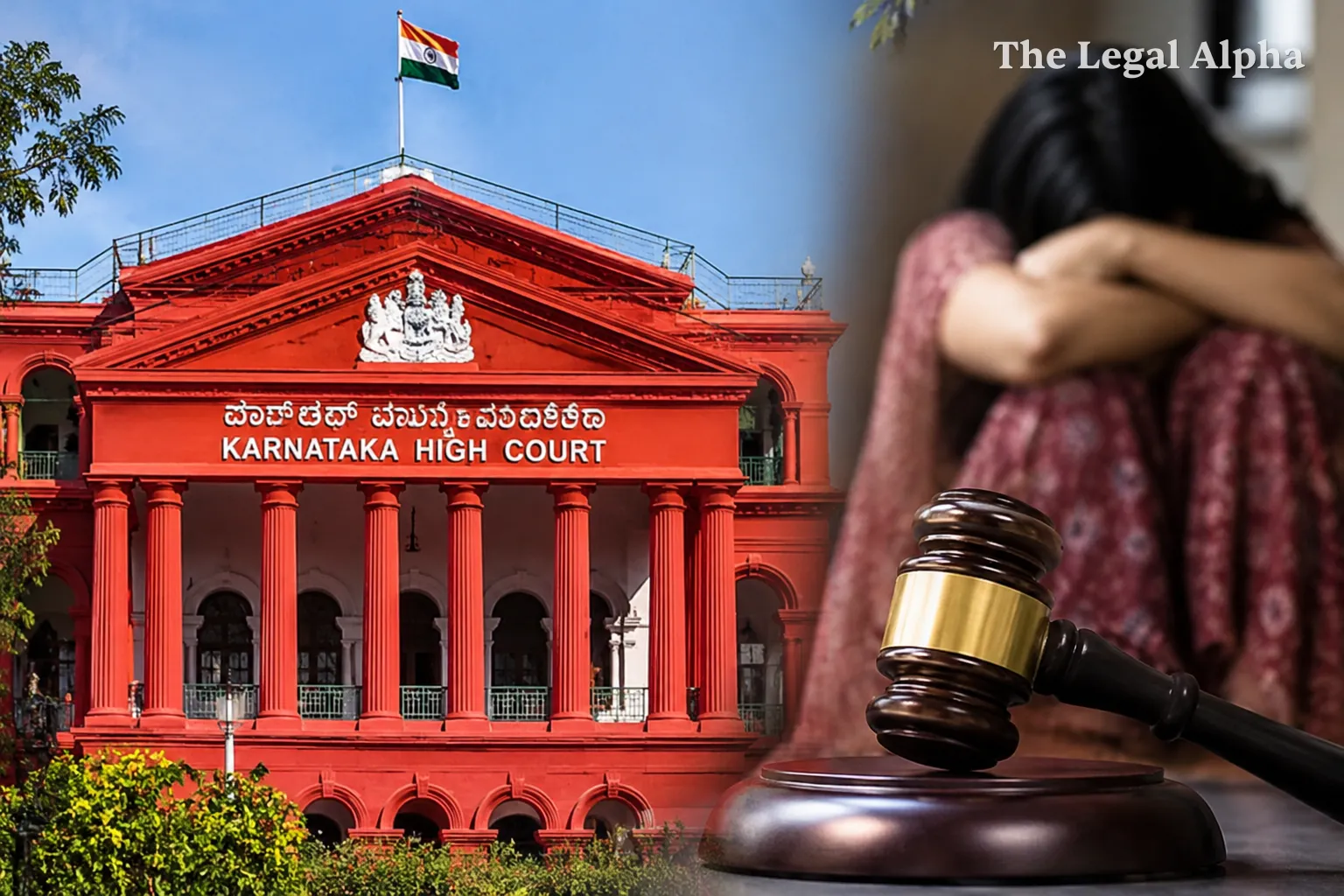
The Karnataka High Court has refused to quash criminal proceedings in a matrimonial cruelty case, holding that the prosecution cannot be rejected merely because the chargesheet relies on a limited number of witnesses.
Justice Suraj Govindaraj dismissed a petition filed by a Bengaluru resident and four other accused persons, who challenged criminal proceedings initiated following a complaint by the man's wife. The complaint alleged cruelty, criminal intimidation and other offences against her husband and his family members.
The dispute arose from a marriage solemnised in 2022. The complainant alleged that her husband was involved in an extramarital relationship with his sister-in-law. She further claimed that relocating from Chikkaballapur to Bengaluru did not resolve their matrimonial disputes.
A significant allegation concerned an incident dated March 1, 2024, during which the accused allegedly assaulted the complainant, tore her clothes, poured petrol on her and attempted to set her on fire. She also alleged that her gold chain was taken away.
The High Court concluded that the allegations and supporting witness statements provided sufficient grounds for the criminal proceedings to continue at this stage.
Legal Topic
Area of Law: Criminal Law
Sub-topic: Matrimonial Cruelty, Criminal Intimidation and Quashing of Criminal Proceedings
Core Legal Issue
The central legal question was whether criminal proceedings arising from a chargesheet could be quashed merely because the prosecution relied on only four witnesses, comprising the complainant, her parents and an independent witness.
The Court also had to consider whether the allegations contained in the complaint and witness statements disclosed sufficiently specific accusations to justify continuation of the criminal proceedings, or whether the petitioners' objections required examination during trial.
What Did the Court Decide?
The Karnataka High Court dismissed the petition seeking to quash the criminal proceedings.
The Court observed that the allegations were not merely general or omnibus accusations. Instead, they referred to specific acts allegedly committed by the accused, including the incident of March 1, 2024.
The Court considered the fact that the police had completed their investigation and filed a chargesheet. It found that the complaint and witness statements could not be treated as wholly insufficient to justify continuation of the proceedings.
Importantly, the Court indicated that objections concerning the credibility of the allegations and the limited number of witnesses involved disputed questions of fact. Such questions would require examination during trial rather than being conclusively determined at the chargesheet stage.
The dismissal of the petition means that the criminal proceedings will continue. It does not amount to a finding that the accused are guilty of the alleged offences.
Key Legal Points
-
A limited number of prosecution witnesses is not, by itself, sufficient grounds to quash criminal proceedings.
-
Specific allegations concerning identifiable incidents and alleged acts of cruelty carry significance when examining whether a criminal case should proceed.
-
The sufficiency of the complaint and witness statements must be assessed in the context of the allegations and investigation.
-
Disputed questions concerning the credibility of witnesses and the truthfulness of allegations are ordinarily matters for trial.
-
Dismissal of a quashing petition does not establish the guilt of the accused or determine the final outcome of the criminal case.
Relevant Law
Indian Penal Code, 1860: The allegations concern matrimonial cruelty and criminal intimidation. The precise penal provisions invoked in the chargesheet could not be independently verified from the available reporting.
Code of Criminal Procedure, 1973: The High Court's inherent jurisdiction to prevent abuse of the judicial process and secure the ends of justice is relevant to petitions seeking quashing of criminal proceedings. The precise procedural provision invoked in this petition requires confirmation from the court order.
Arguments of the Parties
Petitioners / Accused Persons
The petitioners challenged the criminal proceedings on the ground that the prosecution relied on only four witnesses. They questioned the credibility of the complainant's allegations and argued that the material collected during the investigation was insufficient to sustain the case.
Complainant / Prosecution
The prosecution relied on the complaint, witness statements and the chargesheet filed after completion of the police investigation. Its case was that the allegations referred to specific incidents and provided sufficient material for the criminal proceedings to continue.
Why Does It Matter?
The decision highlights an important distinction between the threshold required for continuing criminal proceedings and the standard required to establish guilt at trial.
A chargesheet does not have to establish the accused person's guilt conclusively. At the preliminary stage, the court examines whether the available material provides a sufficient basis for proceeding with the prosecution.
The ruling also demonstrates that the number of witnesses cannot be considered in isolation. The nature of their statements, the specific allegations and the overall material collected during the investigation are relevant considerations.
For individuals facing criminal proceedings arising from matrimonial disputes, the decision reinforces that objections concerning witness credibility and disputed factual allegations may need to be addressed through the trial process.
At the same time, the continuation of proceedings should not be confused with a judicial finding of guilt. The prosecution must still establish its case in accordance with the law.
Legal Takeaway
The Karnataka High Court has reaffirmed that a criminal case cannot be quashed simply because the chargesheet contains a limited number of witnesses. Where the complaint and supporting statements disclose specific allegations requiring factual examination, the appropriate stage for assessing their credibility is ordinarily the trial. The accused retain the right to challenge the prosecution evidence and defend themselves in accordance with law.
Sources
Primary Source: Karnataka High Court order – the underlying judgment could not be independently located for verification.
Additional Sources:
-
Times of India, Bengaluru report dated November 21, 2026.
-
Mirror Now report dated November 21, 2026.