Karnataka High Court Calls for Greater Legal Awareness to Protect Senior Citizens Under Welfare Law
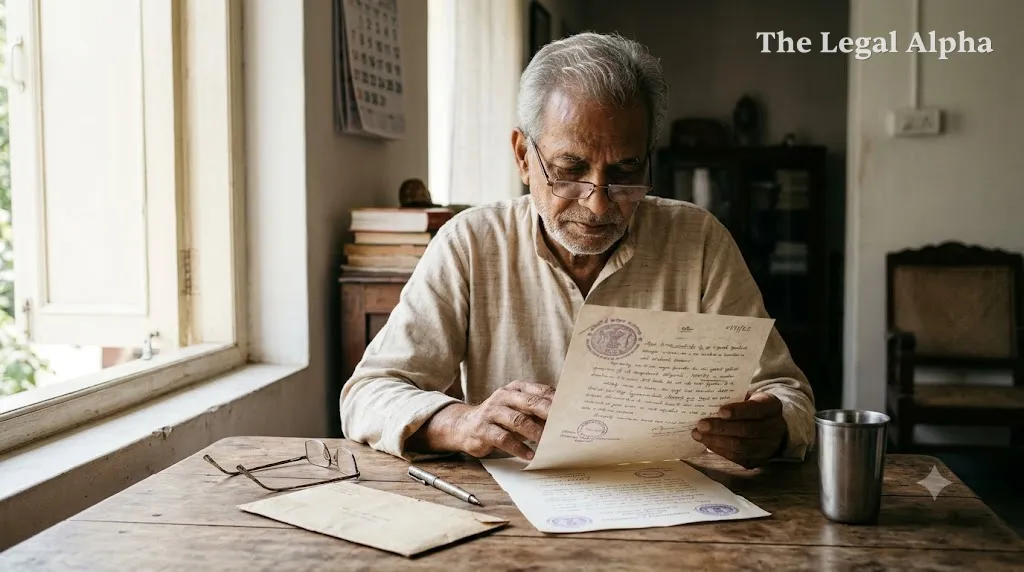
The Karnataka High Court recently addressed the growing vulnerabilities faced by elderly citizens in property and maintenance disputes, observing that senior citizens urgently require greater awareness regarding their statutory rights and protective remedies. The observation arose during judicial review of proceedings under the Maintenance and Welfare of Parents and Senior Citizens Act, 2007, where authorities exercised powers under Section 23 concerning the transfer of property by elderly parents. Highlighting the difficulties faced by elderly individuals when family arrangements break down, the High Court underlined the need for institutional outreach and public sensitization to ensure the protective mechanism established by the statute achieves its intended social objective.
Legal Topic
-
Area of Law: Family Law / Elder Law & Social Welfare Legislation
-
Sub-topic: Senior Citizens' Welfare / Property Transfers under Section 23
Core Legal Issue
The core legal question before the High Court concerned the scope of authority exercised by maintenance tribunals when examining transfers of property executed by senior citizens, and whether elderly citizens are sufficiently informed about the conditional safeguards available to them under the law to prevent subsequent neglect and abandonment.
What Did the Court Decide?
The Karnataka High Court highlighted that statutory protections under the Maintenance and Welfare of Parents and Senior Citizens Act remain underutilized or misunderstood due to a lack of awareness among the elderly. While examining the statutory framework—particularly Section 23, which allows tribunals to declare certain property transfers void if basic amenities and physical needs are not met—the Court stressed that authorities and legal service bodies must actively inform seniors of their rights before and after transferring assets to relatives. The Court reiterated that the law is structured to protect vulnerable parents from being left destitute after relinquishing title to their properties.
Key Legal Points
-
Protection Against Post-Transfer Neglect: Under Section 23 of the Senior Citizens Act, a transfer of property made by a senior citizen can be treated as void if the condition of providing basic amenities and physical needs is violated by the transferee.
-
Emphasis on Preventative Awareness: The High Court underscored that procedural remedies often come after severe hardship, making widespread public education on rights and conditional stipulations in gift or settlement deeds imperative.
-
Harmonious and Welfare-Oriented Approach: Quasi-judicial tribunals established under the Act must exercise their powers expeditiously, ensuring the welfare intent of Parliament is not thwarted by procedural delays or lack of awareness among elderly litigants.
Relevant Law
-
The Maintenance and Welfare of Parents and Senior Citizens Act, 2007:
-
Section 23: Transfer of property to be void in certain circumstances (failure to provide basic amenities and physical needs).
-
Section 21: Measures for publicity and awareness by the State Government.
-
Section 5: Application and procedure for maintenance.
-
-
Constitution of India:
-
Article 226: High Court supervisory and writ jurisdiction over quasi-judicial tribunal orders.
-
Arguments of the Parties
-
For the Petitioner / Affected Party: It was contended that transfers of property executed in favor of family members were subject to expectations of care and support, and subsequent abandonment or neglect justified administrative intervention under the Act.
-
For the Opposing Party / State Authorities: The opposing submissions addressed the jurisdiction and limits of the administrative authorities acting under Section 23, emphasizing the necessity of adhering to statutory criteria and distinguishing purely contractual property disputes from welfare inquiries.
Why Does It Matter?
This development is significant because thousands of elderly individuals across the country face abandonment after gifting or transferring their sole residential properties to children. The Karnataka High Court’s emphasis on legal awareness underscores that legal remedies under the 2007 Act are only as effective as the accessibility of the legal system to ordinary citizens. For families and legal practitioners, it serves as a critical reminder that transfers of immovable property within families must account for statutory obligations of maintenance and elder care.
Legal Takeaway
Senior citizens have a legal right under the 2007 Act to seek cancellation of property transfers if transferees fail to provide necessary care and basic amenities. Ensuring that senior citizens understand these protections before executing gift or settlement deeds is essential to safeguarding their financial and personal security in old age.
Sources
-
Primary Source: High Court of Karnataka, proceedings under the Maintenance and Welfare of Parents and Senior Citizens Act, 2007.
-
Additional Sources: The Maintenance and Welfare of Parents and Senior Citizens Act, 2007 (Bare Act); New Indian Express Legal Desk reports.