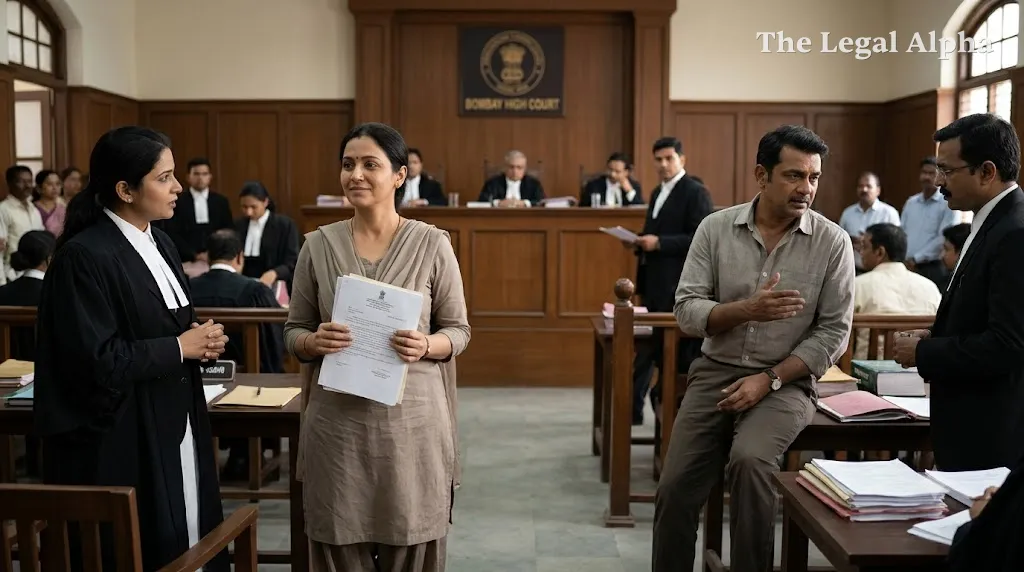
High Court Rules Matrimonial Complaint Not Automatic Ground to Fire Probationary Officer
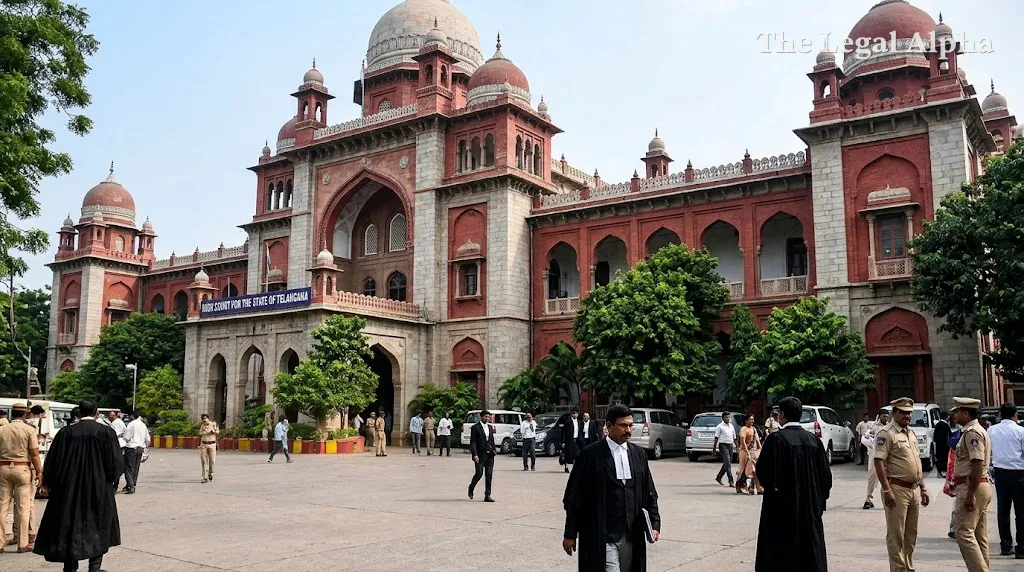
The Telangana High Court affirmed the reinstatement of a probationary Sub-Inspector of Police whose appointment had been rescinded by the state authorities following allegations raised in an unadjudicated matrimonial dispute.
A Division Bench comprising Acting Chief Justice P. Sam Koshy and Justice Narsing Rao Nandikonda rejected a writ appeal filed by the Telangana State Police Department. The administration had challenged a Single Judge’s decision from April 2026 that quashed the discharge order against Sub-Inspector Konda Janaiah and declared him an approved probationer.
The controversy began when the officer's spouse lodged a criminal complaint at Godavarikhani-I Police Station alleging domestic cruelty and dowry harassment. Relying principally on this registration, the police establishment repeatedly deferred confirming the officer’s probation, initiated internal inquiries, and eventually issued a discharge order in May 2025. The High Court held that pendency of a matrimonial dispute without an adverse judicial finding cannot serve as the sole foundation to terminate a public servant's career, particularly when statutory probation periods have already lapsed.
Legal Topic
-
Area of Law: Service Law / Administrative Law
-
Sub-topic: Probation Confirmation, Disciplinary Termination, and Impact of Matrimonial Disputes on Public Employment
Core Legal Issue
The dispute called on the court to decide whether the State can withhold confirmation and dismiss a probationary employee solely on the basis of a pending, unadjudicated matrimonial complaint without demonstrating official misconduct or an act unbecoming of a government servant.
A linked question examined whether an employer retains administrative authority to issue retrospective probation extensions and execute termination after the maximum permissible probation tenure has lapsed under the applicable service rules.
What Did the Court Decide?
The Division Bench dismissed the State's appeal, sustaining the Single Judge's judgment in favour of the officer.
The court observed that the police administration placed no empirical material on record showing conduct incompatible with the duties of a public servant, resting its punitive action exclusively on an ongoing domestic dispute. The Bench noted that the officer’s maximum permissible probation period had concluded as early as November 2021. Consequently, by operation of law, the officer was entitled to the status of a confirmed, approved probationer. Subsequent probation extension orders issued by the department in July 2021 and December 2023 were invalid because they were enacted after the relevant periods had already run their course.
The court observed with disapproval that the administration had proceeded to discharge the officer despite interim judicial protections granted earlier in the litigation.
Key Legal Points
-
Mere Registration of FIR Insufficient: The registration of an ongoing marital criminal complaint cannot serve as an automatic, stand-alone ground for discharge during probation without an adverse judicial adjudication or proven departmental misconduct.
-
Deemed Confirmation of Probation: Once a public servant completes the statutory maximum probation period without lawful and timely extension, they attain the status of an approved probationer and cannot be summarily terminated without substantive due process.
-
No Retrospective Extension of Expired Probation: Disciplinary or recruiting authorities cannot issue probation extension orders retrospectively after the underlying probationary term has already expired.
-
Strict Adherence to Judicial Restraints: Administrative authorities may not terminate an employee while protective judicial stays and interim directions remain operational.
Relevant Law
-
Article 311 of the Constitution of India: Safeguards governing dismissals, removals, or reductions in rank of civil servants.
-
State Police Subordinate Service Rules: Governing probationary tenures, extensions, approval of probation, and disciplinary sanctions for subordinate ranks.
-
Sections 498-A of the Indian Penal Code (IPC) / Corresponding Bharatiya Nyaya Sanhita Provisions & Dowry Prohibition Act: Underlying statutes invoked in the private marital dispute.
Arguments of the Parties
-
The State / Appellant Department: The department contended that a police sub-inspector occupies a post of high public trust requiring spotless integrity. The State argued that the registration of an FIR for dowry harassment and domestic violence warranted withholding confirmation of probation and demonstrated that the candidate was unsuitable for retention in a uniformed service.
-
The Respondent Officer: The officer submitted that he had satisfactorily performed his active duties and that a personal marital complaint, pending trial before a Magistrate, could not be converted into proof of official misconduct. He further argued that his maximum probation period concluded in November 2021, making him a deemed confirmed officer whom the department could not subsequently discharge through retrospective administrative orders.
Why Does It Matter?
This ruling offers significant guidance on the boundaries between personal legal disputes and career tenure in public employment.
Employers frequently initiate summary termination against probationers upon the emergence of criminal FIRs, particularly matrimonial litigations under dowry and domestic cruelty statutes. The decision clarifies that an unadjudicated domestic conflict does not inherently translate into professional moral turpitude or professional unfitness.
It also reinforces basic administrative discipline: public authorities cannot leave employees in prolonged probationary limbo through backdated extensions once mandatory statutory timelines have expired.
Legal Takeaway
Unadjudicated matrimonial disputes do not furnish automatic administrative grounds to terminate a government officer's employment. Furthermore, once an employee's statutory probation tenure expires without a valid, timely order of extension, the employee gains confirmed status and cannot be discharged through retrospective procedural orders.
Sources
-
Primary Source: Telangana High Court Division Bench Judgment/Order in Writ Appeal arising from W.P. concerning SI Konda Janaiah (Coram: Acting Chief Justice P. Sam Koshy and Justice Narsing Rao Nandikonda).
-
Additional Sources: Proceedings before the Additional Judicial Magistrate of First Class, Godavarikhani; High Court Single Bench Order of April 2026.