Fresh Investigation Findings Justify Reopening Old Scrutiny: Supreme Court Upholds Tax Reassessment of Chetan and Nitin Sabharwal
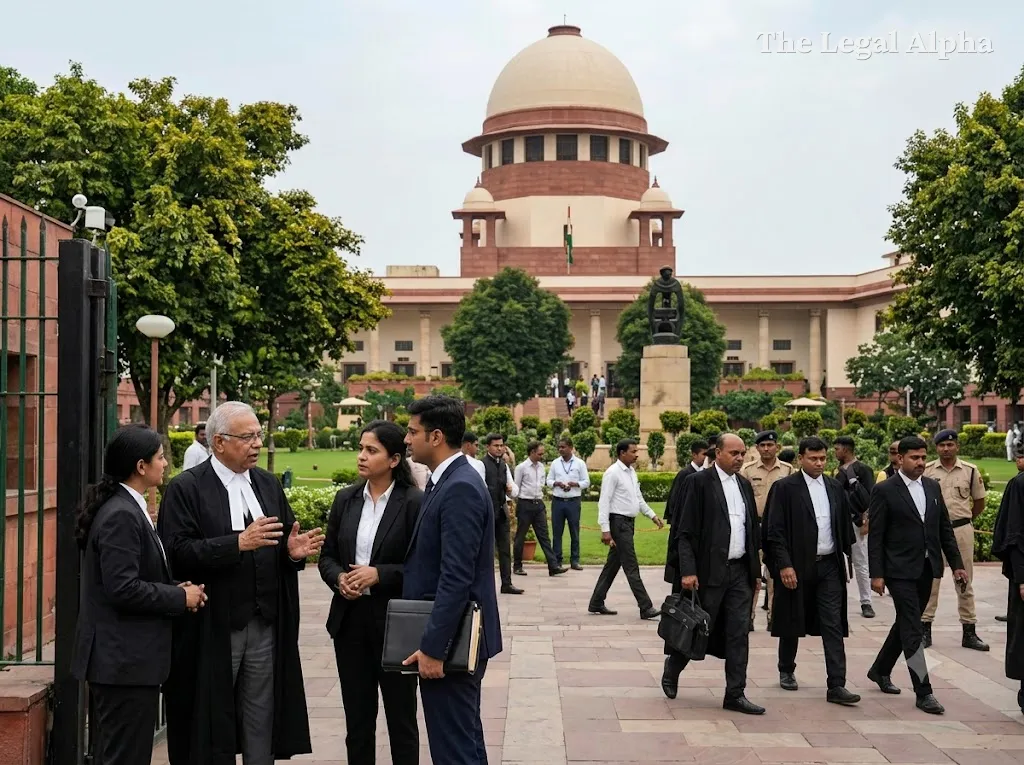
The Supreme Court of India upheld reassessment notices issued by the Income Tax Department against businessmen Chetan Sabharwal and Nitin Sabharwal regarding substantial share transactions and claimed tax exemptions.
The proceedings trace back to share sales and capital gains tax deductions claimed by the assessees under Section 54F for Assessment Years 2008–09 and 2009–10. Although their returns had initially passed regular assessment procedures, the tax authorities subsequently issued notices under Section 148 after receiving fresh investigative reports. These reports alleged significant overvaluation of the transacted shares and raised questions regarding the timing of the capital gains and corresponding exemptions for residential investments. After the Delhi High Court declined to quash the notices, the brothers approached the apex court, which affirmed the revenue department's jurisdiction to reopen the assessments.
Legal Topic
Area of Law: Direct Taxation / Income Tax Law
Sub-topic: Reassessment, Scope of "Reason to Believe," and "Change of Opinion"
Core Legal Issue
The primary legal question before the apex court was whether reassessment proceedings under Section 147 and Section 148 of the Income Tax Act, 1961 could be validly initiated on the basis of a post-assessment investigation report, or whether doing so amounted to an impermissible "change of opinion" by the Assessing Officer when the transactions were already part of the record during original scrutiny.
The controversy centered on the standard required to establish a direct nexus—or "live link"—between newly surfaced investigative intelligence and the Assessing Officer's rational belief that taxable income had escaped assessment.
What Did the Court Decide?
The Supreme Court dismissed the appeals and affirmed the Delhi High Court's ruling, clearing the way for the Income Tax Department to continue its reassessment proceedings.
The Court ruled that the reassessment was not an impermissible change of opinion because the specific issues highlighted by the subsequent investigation report—including alleged share overvaluation and artificial transaction timing—were not examined or adjudicated during the original assessment. The Bench held that fresh material received from an investigative wing provides a sufficient and rational foundation to form a prima facie "reason to believe" that income had escaped assessment. The decision permits the assessing authority to proceed with examining the merits under the applicable statutory provisions.
Key Legal Points
-
Fresh investigative material uncovered post-assessment constitutes actionable information capable of establishing a rational "live link" to escaped income.
-
Where specific aspects—such as deliberate overvaluation of securities—were never scrutinized or formed part of an opinion during initial assessment, subsequent action does not constitute a "change of opinion".
-
The existence of new information does not grant arbitrary discretion; reassessment requires an independent application of mind by the Assessing Officer rather than a mechanical endorsement of external reports.
-
At the stage of issuing notice under Section 148, the tax authority is only required to show a prima facie reason to believe that income escaped assessment, not conclusive proof of tax evasion.
Relevant Law
-
Section 147 of the Income Tax Act, 1961 (Income escaping assessment)
-
Section 148 of the Income Tax Act, 1961 (Issue of notice where income has escaped assessment)
-
Section 54F of the Income Tax Act, 1961 (Capital gain on transfer of certain capital assets not to be charged in case of investment in residential house)
-
Section 143(3) of the Income Tax Act, 1961 (Scrutiny assessment)
Arguments of the Parties
Appellants (Chetan Sabharwal and Nitin Sabharwal):
The assessees argued that all primary facts, transaction details, and exemption claims had been fully disclosed during the initial assessment stage. They contended that the Assessing Officer had already reviewed the matters and completed assessments, making the subsequent notices under Section 148 a classic "change of opinion" without fresh jurisdictional facts, designed merely to review a settled position.
Respondent (Income Tax Department / Revenue):
The department contended that reopening was triggered by tangible post-assessment information generated by tax investigation authorities. The revenue submitted that the alleged overvaluation of shares and the legitimacy of the residential deduction timelines were never evaluated on the merits during initial proceedings, meaning no opinion had ever been formed on those specific elements.
Why Does It Matter?
This ruling provides essential clarity on the threshold separating an unlawful second-guessing of completed assessments from legitimate re-evaluations driven by new investigative intelligence.
For individual high-net-worth taxpayers and corporate entities, the judgment highlights that mere disclosure of paperwork during an initial return does not grant immunity from reassessment if external investigation later points to underlying transactional irregularities, such as share overvaluation. For the revenue authorities, it validates the use of targeted intelligence reports to reopen older transactions, provided an objective nexus exists between the discovered evidence and the income alleged to have escaped taxation.
Legal Takeaway
A taxpayer cannot shield past transactions behind the "change of opinion" doctrine if the specific underlying irregularities were never consciously assessed during the initial proceedings. Independent investigative material demonstrating prima facie tax escapement provides lawful grounds for tax authorities to reopen scrutiny under Section 148.
Sources
Primary Source:
Supreme Court of India, Chetan Sabharwal v. Assistant Commissioner of Income Tax, Circle 28(1), New Delhi & Anr. (Decision dated October 28, 2026).
Additional Sources:
High Court of Delhi records in Chetan Sabharwal v. ACIT; Income Tax Act, 1961.