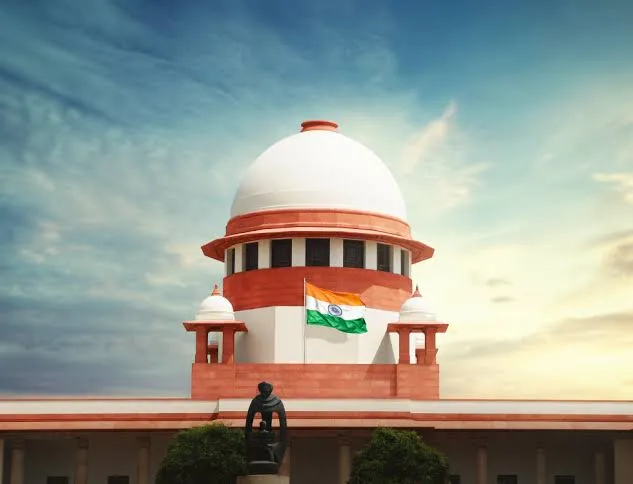
Former Supreme Court Judges Voice Alarm Over Proposed Parliamentary Panel Interface with Sitting Judges
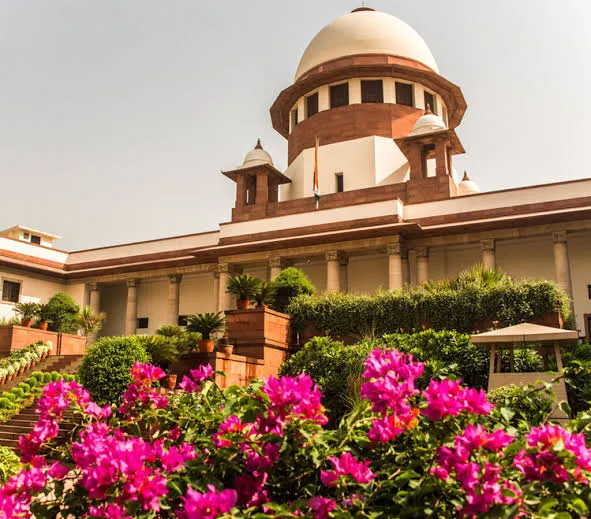
Several former Supreme Court justices voiced serious concern over an initiative by the Joint Parliamentary Committee examining simultaneous elections to hold informal discussions with sitting judges of the Supreme Court of India.
The proposed meeting, which was slated to include discussions with the Chief Justice of India and fellow judges, was ultimately turned down by the apex court. Speaking during a panel discussion, former apex court judges described such attempts as fundamentally improper, warning that informal engagements between lawmakers and the higher judiciary risk compromising judicial independence and blurring constitutional lines.
Legal Topic
Area of Law: Constitutional Law & Judicial Ethics
Sub-topic: Separation of Powers / Institutional Independence / Bangalore Principles of Judicial Conduct
Core Legal Issue
The central constitutional concern is whether members of a legislative drafting committee can seek informal or ex parte discussions with sitting judges of the superior judiciary regarding proposed statutory or constitutional amendments.
Because any enacted law stemming from such legislative efforts may subsequently be challenged before the Supreme Court under constitutional judicial review, pre-legislative interaction between the drafters and prospective arbiters directly touches upon institutional neutrality, judicial distance, and the separation of powers under the basic structure of the Constitution.
What Did the Court / Authority Decide?
The Supreme Court of India formally declined the committee's proposal to convene for informal talks on the proposed simultaneous elections legislation.
In evaluating the development, retired judges highlighted institutional decorum:
-
Sitting judges do not engage in private consultations or policy deliberations with parliamentary bodies regarding legislation they may later have to adjudicate.
-
Formal protocol requires institutional interactions to remain strictly transparent and within established constitutional channels, rather than informal briefings.
Key Legal Points
-
Separation of Powers: The constitutional structure mandates institutional separation between Parliament as the law-making body and the Judiciary as the constitutional reviewer.
-
Avoidance of Pre-Judged Legality: Having lawmakers brief judges on proposed draft provisions creates an untenable situation if the resulting legislation faces legal challenges in court.
-
Judicial Ethics Standards: Principles codified under the 1997 Restatement of Values of Judicial Life and the 2001 Bangalore Principles of Judicial Conduct mandate that judges avoid close informal social or official proximity with political actors to preserve public confidence.
-
Institutional Distance: Historical precedent underscores that the relationship between the executive/legislative leadership and the judiciary must be strictly proper, formal, and transparent rather than cordial or informal.
Relevant Law
-
Constitution of India: Article 50 (Separation of Judiciary from the Executive) and the basic structure doctrine protecting judicial independence and the separation of powers.
-
1997 Restatement of Values of Judicial Life: Adopted by the full bench of the Supreme Court to preserve impartiality and public trust in the judicial office.
-
Bangalore Principles of Judicial Conduct (2001): International norms establishing standards of independence, impartiality, and propriety for members of the bench.
Arguments of the Parties
-
Concerns Raised by Jurists: Former judges argued that allowing legislative panels to discuss draft bills informally with judges subverts judicial neutrality. They contended that any institutional communication must be formal, on record, and completely transparent.
-
Legislative Standpoint: The committee sought informal briefings as an consultative stakeholder measure to apprise constitutional institutions regarding structural reforms and simultaneous election mechanisms.
Why Does It Matter?
This development reinforces the procedural boundaries that safeguard judicial review in India. When Parliament deliberates significant structural and constitutional reforms, maintaining strict boundaries between lawmakers and sitting judges ensures that judicial scrutiny remains untainted by prior institutional consultations. It provides a clear institutional precedent that judicial independence relies not only on formal rulings from the bench, but also on keeping appropriate distance from political processes outside the courtroom.
Legal Takeaway
Sitting members of the higher judiciary cannot be drawn into informal, advisory, or pre-legislative consultative discussions with lawmakers on pending legislative reforms. Preserving the separation of powers demands institutional distance so that the courts remain detached and impartial arbiters when the validity of any enacted law is tested.
Sources
Primary Source: Supreme Court Administrative Decision declining Joint Parliamentary Committee invitation; 1997 Restatement of Values of Judicial Life; Bangalore Principles of Judicial Conduct (2001).
Additional Sources: Public statements by former Supreme Court Justices; Joint Parliamentary Committee proceedings on simultaneous elections.
For background on the constitutional concerns raised regarding the committee's outreach to the judiciary, refer to this discussion on the proposed committee meeting.
This video highlights the critical separation-of-powers arguments surrounding parliamentary committee interactions with sitting judges.