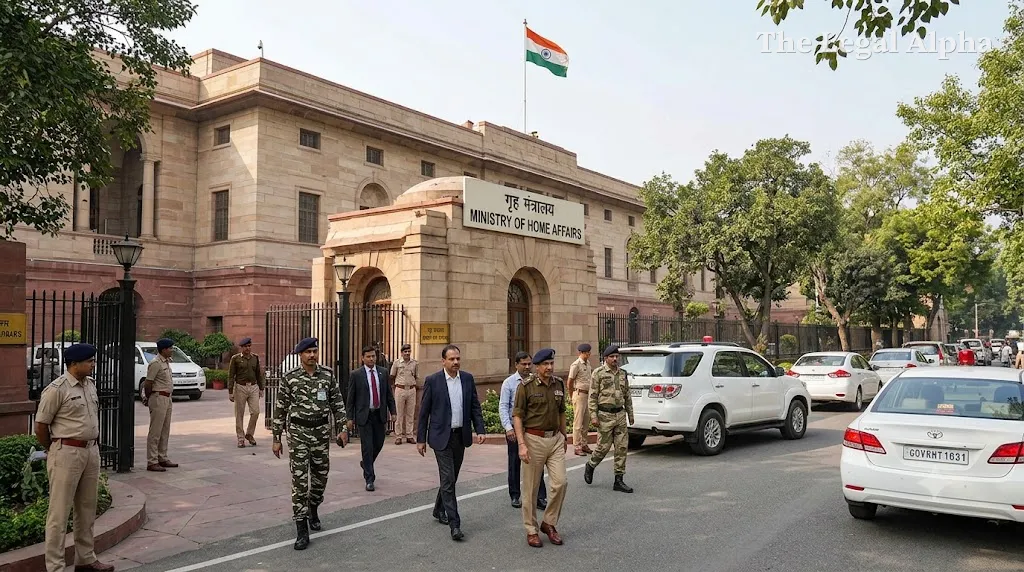
Delhi Police Denies Permission for October 10 Protest, Cites Prohibitory Orders Under Section 163 BNSS
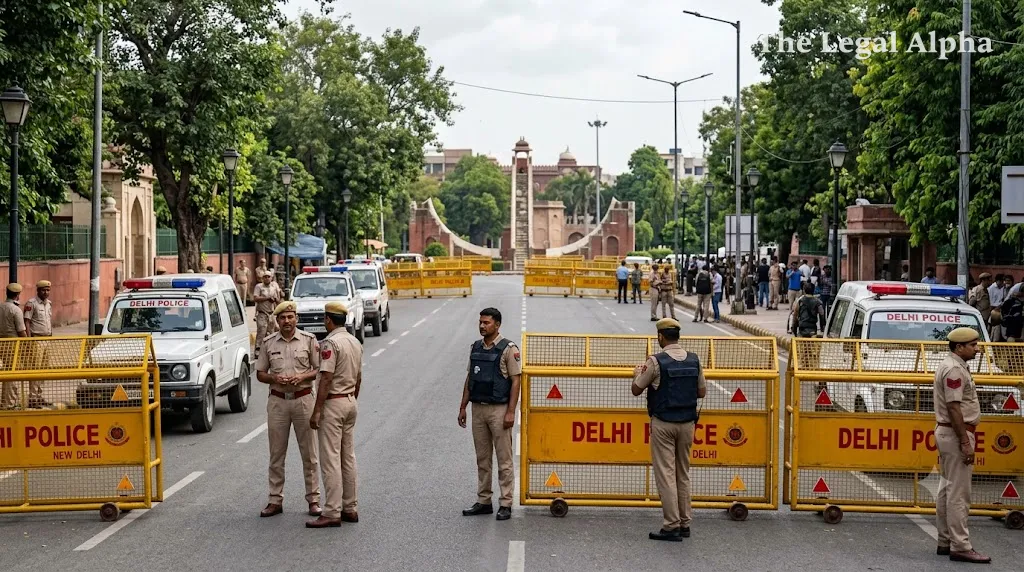
The Delhi Police formally denied permission to the Citizens for Justice and Peace (CJP) / Cockroach Janta Party organizers planning a demonstration at Jantar Mantar on October 10, warning that any unauthorized gathering would be treated as unlawful.
Senior police officials, including Deputy Commissioner of Police Shrishti Pandey and Joint Commissioner of Police Nupur Prasad, announced that prohibitory restrictions under Section 163 of the Bharatiya Nagarik Suraksha Sanhita (BNSS), 2023, remain enforced across the area. The administration cited non-compliance with undertakings submitted during a previous demonstration as the primary reason for rejecting the intimation submitted on October 7. The police cautioned citizens and students against taking part in the gathering, warning that participation in an unauthorized assembly could lead to formal criminal proceedings.
Legal Topic
Area of Law: Criminal Procedure & Constitutional Law
Sub-topic: Preventive Orders / Freedom of Assembly vs. Maintenance of Public Order
Core Legal Issue
The core issue concerns the extent of executive power to prohibit public assembly under preventive procedural codes and whether police authorities can preemptively deny demonstration permission based on past compliance breaches and generalized public order risks.
It tests the procedural application of Section 163 of the BNSS (the equivalent of former Section 144 of the CrPC) against the fundamental right of citizens to assemble peaceably without arms under Article 19(1)(b) of the Constitution of India.
What Did the Court / Authority Decide?
The Delhi Police rejected the intimation and demonstration request submitted by the organizers.
Key directives and determinations from the authority include:
-
Declaring that any public assembly at Jantar Mantar or adjacent areas on October 10 is unauthorized and will be deemed an unlawful assembly.
-
Invoking active restrictions under Section 163 BNSS, which bar gatherings of multiple individuals in the designated zones.
-
Directing outreach across student accommodations and local neighborhoods to deter public mobilization.
-
Warning that organizers and attendees proceeding with the demonstration will face coercive legal action, including potential prosecution for disobeying lawful orders and property offenses.
Key Legal Points
-
Preventive Regulatory Powers: Section 163 of the BNSS empowers designated executive authorities to issue urgent prohibitory orders to prevent public disorder, obstruction, or danger to human life.
-
Conditional Undertakings: Permissions for public protests in designated areas like Jantar Mantar are subject to strict undertakings; breach of prior conditional agreements can serve as an administrative ground for refusing subsequent permissions.
-
Reasonable Restrictions: The right to peaceful protest under Article 19(1)(b) is not absolute and remains subject to reasonable restrictions under Article 19(3) for preserving public order and state security.
-
Liability for Defiance: Assembling despite promulgated prohibitory orders triggers statutory liability for disobeying an order promulgated by a public servant and participating in an unlawful assembly.
Relevant Law
-
Section 163, Bharatiya Nagarik Suraksha Sanhita (BNSS), 2023: Power to issue orders in urgent cases of nuisance or apprehended danger (formerly Section 144 CrPC).
-
Section 189 & Section 223, Bharatiya Nyaya Sanhita (BNS), 2023: Provisions addressing unlawful assembly and disobedience to an order duly promulgated by a public servant (corresponding to Sections 141 and 188 of the IPC).
-
Article 19(1)(b) read with Article 19(3), Constitution of India: Fundamental freedom to assemble peacefully, qualified by the state’s authority to impose reasonable restrictions.
-
Relevant Precedent: Anuradha Bhasin v. Union of India (2020) and Ramlila Maidan Incident (2012), establishing that repetitive or routine recourse to emergency prohibitory orders must satisfy the tests of proportionality and immediate necessity.
Arguments of the Parties
Delhi Police
The police contended that the organizers failed to adhere to the explicit terms and undertakings given during an earlier demonstration, justifying the refusal of fresh permission. They submitted that active prohibitory orders under Section 163 BNSS strictly bar public congregations in the vicinity to avert potential disruption and ensure public safety.
Organizers / Protesters
The organizers argued that advance written intimation was properly submitted on October 7 to apprise authorities of their intent to hold a peaceful gathering. They maintained that citizens retain a constitutional right to assemble peacefully and seek administrative assistance for traffic and order management rather than blanket prohibitions.
Why Does It Matter?
This development highlights the ongoing tension between civic demonstration rights and executive administration in Delhi’s designated protest hubs. As law enforcement agencies increasingly utilize the new criminal codes—particularly Section 163 of the BNSS—the standard for imposing preventive curbs faces legal scrutiny under constitutional proportionality standards.
For civil society groups and legal practitioners, the situation underscores how administrative compliance histories directly influence future assembly approvals. Refusing permission based on alleged past undertaking breaches establishes a compliance threshold that can quickly convert civic action into criminal defiance if an event proceeds unauthorized.
Legal Takeaway
Citizens possess a constitutional right to peaceful demonstration, but that freedom remains subordinate to valid prohibitory orders under Section 163 BNSS. Defying administrative denials or past undertaking conditions exposes both organizers and individual participants to immediate criminal liability for unlawful assembly.
Sources
Primary Source:
-
Official Press Briefing and Public Advisory, Delhi Police (Statements of DCP Shrishti Pandey and Joint CP Nupur Prasad, October 9, 2026).
Additional Sources:
-
The Hindu: Delhi Police deny permission for CJP’s October 10 Jantar Mantar protest, cite breach of past undertaking (October 9, 2026).
-
Outlook India / ANI: Delhi Police Warns Against CJP’s October 10 Protest, Says Gatherings Will Invite Legal Action (October 9, 2026).