Delhi Court Sets Final One-Week Deadline for Brij Bhushan Sharan Singh to Answer Wrestlers’ Acquittal Appeal
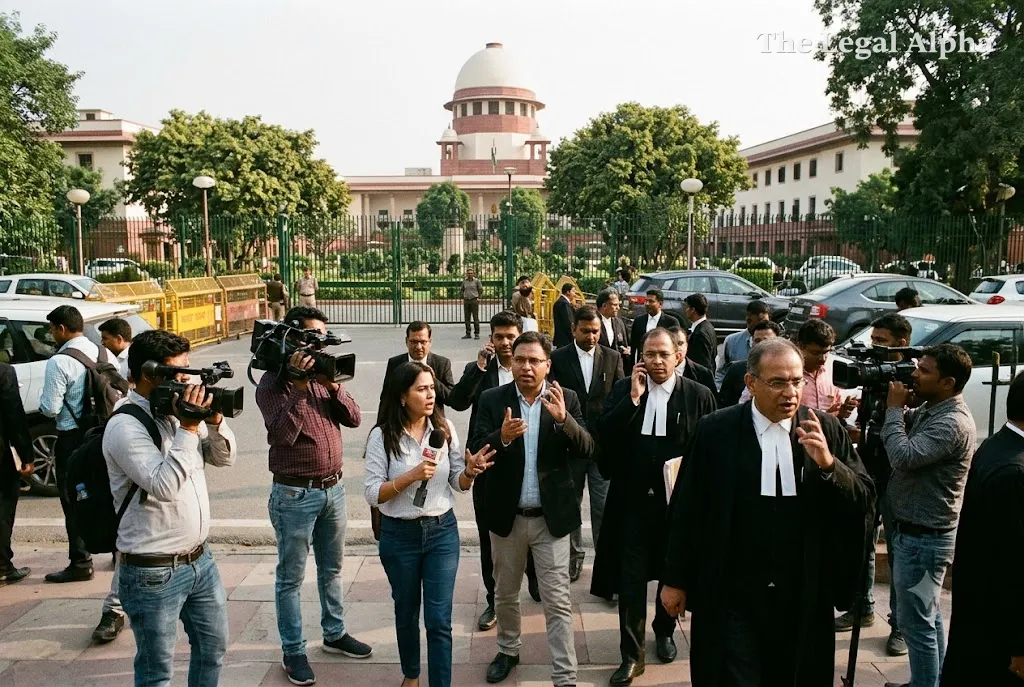
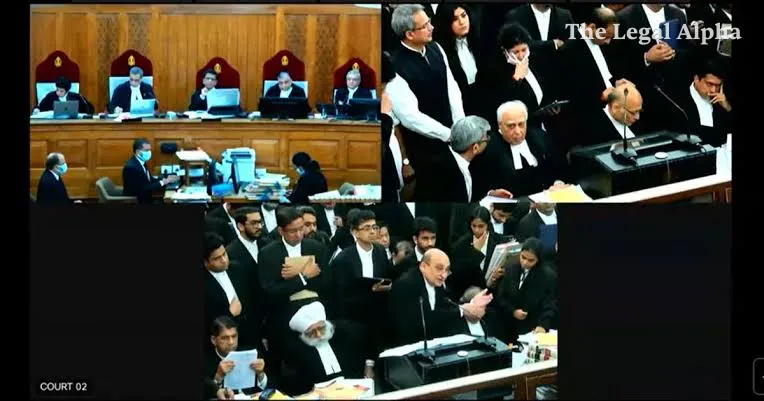
A sessions bench at Delhi’s Rouse Avenue Court has given former Wrestling Federation of India (WFI) chief Brij Bhushan Sharan Singh a final one-week window to submit his response to a criminal appeal filed by four female wrestlers.
The wrestlers have legally challenged an August 3 order passed by an Additional Chief Judicial Magistrate (ACJM) that cleared Singh and former WFI assistant secretary Vinod Tomar of sexual harassment charges. During appellate proceedings, counsel for the defense sought additional time to place their counter-pleadings on record. The court made it clear that this granted extension serves as the last and final opportunity to submit replies before substantive hearings proceed.
Legal Topic
-
Area of Law: Criminal Law / Appellate Procedure
-
Sub-topic: Appeals Against Acquittal / Victims’ Statutory Remedies
Core Legal Issue
The primary legal question is whether the trial magistrate erred in fact and law when acquitting the accused, and whether the appellate court should reopen the evidentiary evaluation that led to their exoneration.
Procedurally, the court had to address whether to grant an additional enlargement of time to the respondent accused to complete pleadings, balancing the respondent's right to adequate legal defense against the appellants' entitlement to a timely appellate determination in sensitive gender-violence matters.
What Did the Court Decide?
Special Judge Dig Vinay Singh granted the defense counsel a peremptory one-week extension to place their formal counter-affidavits on record.
The court emphasized that:
-
This one-week timeline represents the final opportunity for Brij Bhushan Sharan Singh and co-accused Vinod Tomar to file their formal responses.
-
Once substantive arguments commence, the proceedings will be conducted in camera to protect party sensitivities and comply with statutory trial norms governing sexual offence allegations.
-
The appeal remains at the pre-argument stage of completion of pleadings; the merits of the acquittal have not yet been adjudicated.
Key Legal Points
-
Pre-Argument Discipline in Criminal Appeals: Appellate courts retain discretion to impose strict deadlines for replies to prevent delays when dealing with appeals filed against acquittal verdicts.
-
Statutory Appeal Against Acquittal: Victims possess a statutory right to challenge acquittal orders before the Court of Session or High Court to contest potential lapses in evidentiary appreciation by the trial magistrate.
-
Mandatory Privacy Protections: Ordering proceedings to be held in camera reflects judicial compliance with procedural mandates designed to shield complainants from trial publicity in cases involving alleged outraging of modesty.
-
Adversarial Balance: Granting a final opportunity ensures compliance with natural justice (audi alteram partem) so that the respondents cannot subsequently plead lack of opportunity during eventual oral arguments.
Relevant Law
-
Section 372 of the Code of Criminal Procedure, 1973 (CrPC) / Section 413 of the Bharatiya Nagarik Suraksha Sanhita, 2023 (BNSS): Proviso establishing the victim’s statutory right to prefer an appeal against an order acquitting the accused.
-
Section 327 of the CrPC / Section 366 of the BNSS: Provisions regulating open court hearings and the court's power to conduct inquiries and hearings in camera in sensitive matters.
-
Sections 354, 354A, and 506 of the Indian Penal Code, 1860 (IPC): Underlying substantive offences regarding assault or criminal force to woman with intent to outrage her modesty, sexual harassment, and criminal intimidation.
Arguments of the Parties
-
Appellants (Wrestlers): The complainants contend that the trial magistrate failed to appreciate the totality of testimony, circumstances, and corroborated statements, thereby committing a reversible error in acquitting the former federation officials.
-
Respondent (Brij Bhushan Sharan Singh & Vinod Tomar): Counsel appearing on behalf of the respondent submitted that additional time was required to draft and file a comprehensive counter-affidavit addressing the issues raised in the appeal, reiterating that the trial court rightly acquitted them for lack of prosecutorial evidence.
Why Does It Matter?
This proceeding tests the practical application of a victim’s independent appellate rights in high-profile sexual harassment cases involving prominent public figures. It illustrates how courts enforce procedural discipline through strict deadlines to curb delays during appellate stages.
Additionally, the directive to conduct upcoming arguments in camera underscores procedural protections for sensitive matters, ensuring appellate review of alleged gender offences proceeds without media sensationalism or witness prejudice.
Legal Takeaway
The Rouse Avenue Court’s directive demonstrates that while courts protect a respondent’s right to a defense by permitting time to reply, that leeway is strictly time-bound when appeals challenge trial acquittals. Once the pleadings close, substantive scrutiny into whether the magistrate's exoneration was legally sound will occur behind closed doors.
Sources
-
Primary Source: Order of the Court of Special Judge Dig Vinay Singh, Rouse Avenue District Courts, New Delhi (Criminal Appeal arising out of FIR No. 222/2023, Connaught Place PS).
-
Additional Sources: Delhi Trial Court Case Record; Proceedings in Wrestlers v. State & Brij Bhushan Sharan Singh; Criminal Procedure and Penal Code provisions.