Calcutta High Court Declines Interim Nod for Prayers at Kolkata Airport Mosque, Prioritising Aviation Security Over Interlocutory Access
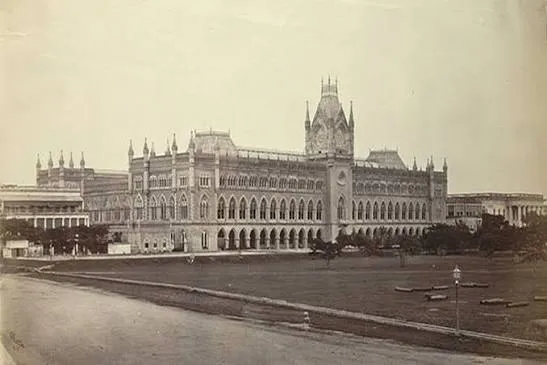
The Calcutta High Court has declined to grant an interim order permitting devotees to resume prayers at a mosque located within the operational perimeter of Netaji Subhash Chandra Bose International Airport in Kolkata.
The plea arose after devotees sought immediate permission to enter the airport premises to perform regular prayers, pending the final adjudication of their underlying writ petition. The Airports Authority of India and civil aviation security authorities opposed the request, pointing to the strict access controls mandated for sensitive airport installations. Refusing to alter the prevailing status quo at this preliminary stage, the High Court held that sensitive security installations cannot be opened through interlocutory orders while the core legal controversy remains undetermined.
Legal Topic
Area of Law: Constitutional Law & Civil Aviation Law
Sub-topic: Religious Freedom vs. Public Security / Standards for Interlocutory Relief
Core Legal Issue
The primary legal issue before the High Court was whether an interlocutory direction under Article 226 of the Constitution can be issued to mandate regular access into a high-security operational aviation zone prior to a full evidentiary hearing.
In addressing that question, the court examined whether the right to profess and practice religion under Article 25 can override statutory airport security protocols and perimeter restrictions at an interim stage, particularly when granting such interim access effectively concedes the ultimate relief sought in the writ petition.
What Did the Court Decide?
The High Court dismissed the application for interim relief, refusing to direct airport authorities to allow entry for prayers while the main writ petition remains pending.
The court observed that issuing a direction to permit access at the interlocutory stage would effectively grant the primary final relief prayed for in the petition without affording the authorities an opportunity to place their full defense on record. Emphasizing the operational realities of an international airport, the court observed that judicial discretion at the interim stage cannot compromise aviation security guidelines.
The court clarified that its refusal to grant interim relief does not represent a final determination on the substantive rights claimed by the parties. The substantive legal questions surrounding access and property status remain open for decision once comprehensive affidavits are exchanged.
Key Legal Points
-
An interim mandatory order that effectively grants the primary substantive relief sought in a writ petition should generally not be issued at an interlocutory stage.
-
The freedom of conscience and religious practice under Article 25 of the Constitution is not absolute; it remains expressly subject to public order, safety, and regulatory mandates.
-
International airports and related civil aviation installations constitute restricted, high-security zones where administrative and security evaluations take precedence over interlocutory claims of entry.
-
The preservation of the status quo during ongoing proceedings prevents irreparable operational disruption and security vulnerabilities while substantive claims are being adjudicated.
Relevant Law
-
Article 25 of the Constitution of India (Freedom of conscience and free profession, practice, and propagation of religion, subject to public order, morality, and health).
-
Article 226 of the Constitution of India (High Court jurisdiction to issue prerogative writs and interlocutory directions).
-
The Aircraft Act, 1934 and Aircraft Rules, 1937, along with entry-control regulations prescribed by the Bureau of Civil Aviation Security (BCAS).
-
Established judicial precedents governing interlocutory injunctions, which establish that courts must exercise restraint when asked to grant interim orders that pre-empt final judgments.
Arguments of the Parties
Petitioner:
-
The petitioner submitted that the mosque has a historical presence within the airport grounds and that worshippers possess a legitimate interest in offering prayers at the site.
-
The petitioner contended that security concerns could be reasonably addressed by implementing monitored entry passes or designated access windows without compromising airport operations.
Respondents (Airport and Security Authorities):
-
The respondents argued that the structure is situated within a strictly controlled operational zone of the international airport, making unvetted or regular public entry legally and operationally unfeasible.
-
They contended that aviation security protocols framed under statutory civil aviation frameworks are non-negotiable and apply uniformly across the airport perimeter.
-
They maintained that granting access through an interlocutory order would grant the final relief before the state authorities could complete their pleadings.
Why Does It Matter?
This decision reinforces the judiciary's consistent reluctance to let individual or community assertions of religious practice override statutory security measures in high-risk public infrastructure. While Article 25 guarantees religious freedom, that liberty is explicitly bounded by considerations of public order and safety.
The ruling also affirms fundamental civil procedure principles under Article 226. When dealing with critical infrastructure—such as international airports, defense perimeters, or transit hubs—courts will not bypass procedural safeguards by granting interim orders that disrupt established security protocols before the merits of the case are fully evaluated.
Legal Takeaway
Religious practice under Article 25 remains subject to public order and statutory security restrictions, particularly within operational civil aviation zones. At the interlocutory stage, courts will not issue interim access orders that compromise sensitive security frameworks or pre-judge the final outcome of the litigation.
Sources
Primary Source:
-
Order of the High Court at Calcutta in the writ petition concerning prayer access at the mosque located within the Netaji Subhash Chandra Bose International Airport premises.
Additional Sources:
-
The Constitution of India (Articles 25 and 226).
-
The Aircraft Act, 1934 and Bureau of Civil Aviation Security (BCAS) regulatory frameworks.