Air Breathed by All Has No Religion: Bombay High Court Directs BMC to Restore Dia Mirza's Eco-Diwali Campaign Video
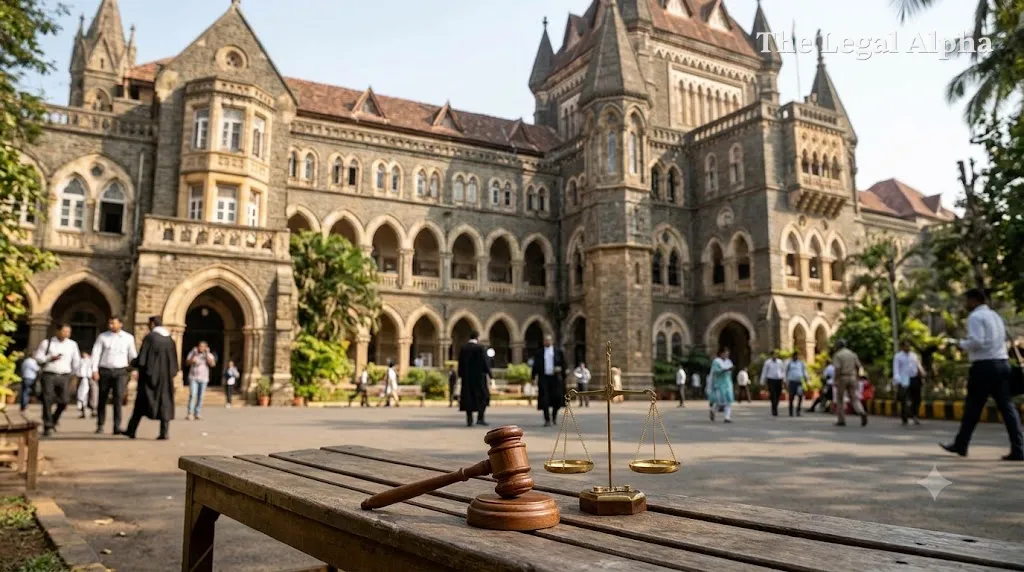
The Bombay High Court reprimanded the Brihanmumbai Municipal Corporation (BMC) for abruptly taking down a public service awareness video featuring actor Dia Mirza. The promotional clip, created as part of the civic body’s anti-pollution campaign encouraging an eco-friendly and noise-free Diwali, was deleted from municipal social media accounts following objections raised by political leaders.
Taking note of the controversy during hearings on air quality management in Mumbai, a division bench comprising Justice Girish Kulkarni and Justice Dr. Neela Gokhale directed the civic body to immediately reinstate the video, emphasizing that environmental and public health advocacy must not be viewed through a communal or political lens.
Legal Topic
-
Area of Law: Constitutional Law / Environmental Law
-
Sub-topic: Secularism, Right to a Clean Environment, and Administrative Discretion
Core Legal Issue
The controversy centers on whether a municipal body executing judicial directions on environmental protection can arbitrarily withdraw public interest awareness campaigns under political pressure.
At a broader level, the court addressed whether fundamental public health and environmental initiatives—guaranteed under the constitutional right to life—can be communalized or subordinated to religious sensitivities raised by political representatives.
What Did the Court Decide?
The division bench expressed deep displeasure at the civic administration's "knee-jerk reaction" and ordered the BMC to restore the deleted clip on its official social media channels.
The court held that:
-
The civic administration acted appropriately when it engaged public figures to spread awareness on noise and air pollution, and no individual has the standing to dictate or challenge the authority's choice of celebrity advocates.
-
The deletion of the clip under political pressure was unwarranted and contrary to public interest.
-
Environmental protection concerns citizens throughout all 365 days of the year and transcends religious affiliations, because every individual breathes the same air.
-
Public representatives ought to support civic health initiatives rather than communalizing them with a "petty mindset".
Key Legal Points
-
Universal Application of Environmental Rights: Clean air and environmental safeguards are collective public rights that cannot be compromised by sectarian or communal considerations.
-
Rebuff to Knee-Jerk Administrative Action: Statutory and municipal authorities cannot surrender executive discretion or compromise court-mandated awareness drives due to political friction or social media backlash.
-
Secular Character of Public Health Policy: The court reiterated that India remains a secular nation where public welfare measures cannot be filtered through religious or identity politics.
-
Administrative Discretion in Public Messaging: Public authorities have the legitimate prerogative to enlist civil society advocates and celebrities to amplify compliance with environmental standards.
Relevant Law
-
Article 21 of the Constitution of India: Guarantees the right to life, which the Supreme Court and High Courts have consistently interpreted to include the right to clean air, a healthy environment, and freedom from noise pollution.
-
The Preamble to the Constitution of India: Affirms the secular nature of the Indian republic.
-
Air (Prevention and Control of Pollution) Act, 1981: Empowers statutory authorities to take proactive preventive measures against atmospheric degradation.
-
Mumbai Municipal Corporation Act, 1888: Outlines the mandatory duties of the municipal corporation regarding public health, hygiene, and civic welfare.
Arguments of the Parties
Political Representatives
Political leaders who objected to the video contended that traditions and cultural practices were deeply rooted in society and did not require lessons or moral instruction from public figures. It was further alleged that selective campaigns were unfairly targeting Hindu festivals and that the inclusion of the actor did not reflect civic leadership approval.
Municipal Administration & Campaign Advocates
The BMC had initially commissioned several public figures—including actors and sportspersons—to advocate for a cracker-free celebration pursuant to judicial directives aimed at checking rising air pollution in Mumbai. Advocates supporting the campaign highlighted that the appeal was strictly a public health initiative intended to minimize toxic emissions and protect vulnerable citizens, without targeting any particular faith.
Why Does It Matter?
This development reinforces the judicial intolerance for political interference in public health and environmental governance. By stepping in against the municipal body's capitulation, the High Court sent an unambiguous signal to public authorities across India: statutory duties cannot be modified to appease vocal political factions.
The order serves as a protective benchmark for citizens and civic bodies participating in court-monitored pollution abatement programs. It makes clear that environmental advocacy addressing smog, air toxicity, and noise levels is a neutral public good rooted in fundamental rights, and attempts to attach a religious angle to public health campaigns will not receive judicial endorsement.
Legal Takeaway
Public health and environmental welfare are secular mandates that apply equally to all citizens regardless of community or faith. Civic authorities cannot arbitrarily recall legitimate public interest campaigns simply because political actors raise cultural or sectarian objections.
Sources
-
Primary Source: Oral directions and observations by the Division Bench of Justice Girish Kulkarni and Justice Dr. Neela Gokhale, High Court of Judicature at Bombay (November 3, 2026).
-
Additional Sources: Court proceedings reports from LiveLaw, The Indian Express, and Press Trust of India (PTI).