Territorial Reach in Intellectual Property Suits: Delhi High Court Navigates Digital Sales, Trap Orders, and Forum Convenience
The Delhi High Court has re-examined the boundaries of territorial jurisdiction in intellectual property litigation, focusing on whether isolated digital transactions or investigator-led trap orders sufficiently establish a cause of action.
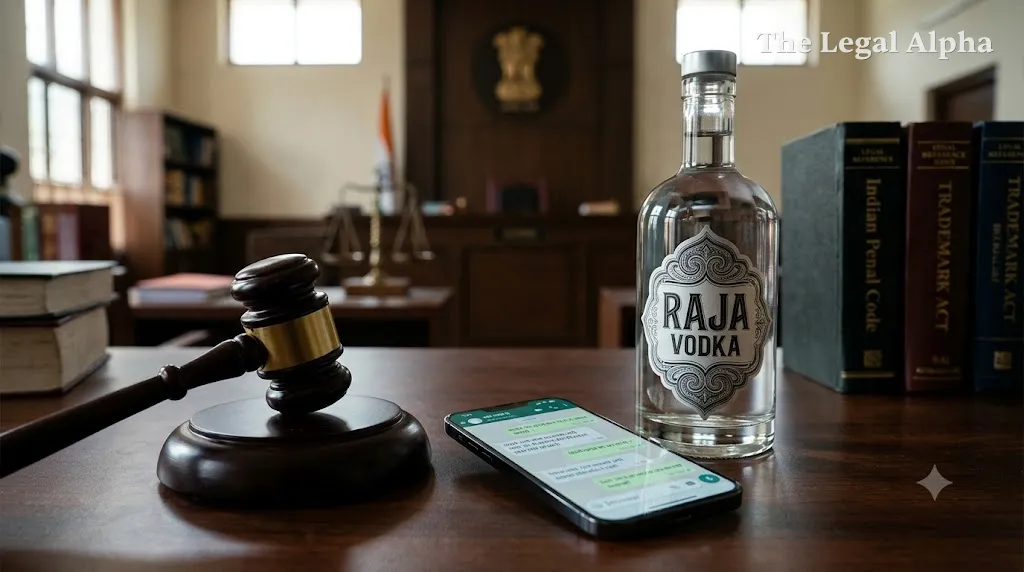
In a batch of recent commercial suits, Justice Purushaindra Kumar Kaurav scrutinized plaintiffs invoking jurisdiction in Delhi through manufactured transactions—including a WhatsApp purchase of cosmetic items routed via third-party couriers and territorial claims countered by product labeling. Rejecting dubious evidentiary affidavits, the Single Judge held that dispatching goods via a carrier outside Delhi placed delivery squarely in the state of origin, failing to establish jurisdiction. In a related dispute involving the unauthorized retransmission of live Gurbani feeds, the Single Judge invoked the doctrine of forum non conveniens to return the plaint, observing that the essential and material cause of action arose in Amritsar rather than Delhi.
The wider legal ramifications of these rulings—specifically whether domestic civil courts can refuse valid statutory jurisdiction on grounds of convenience—are under active review before a Full Bench of the Delhi High Court.
Legal Topic
-
Area of Law: Intellectual Property Law / Civil Procedure
-
Sub-topic: Territorial Jurisdiction / Trap Orders / Forum Non Conveniens
Core Legal Issue
The controversy turns on two fundamental civil procedure questions:
-
Does an isolated online or WhatsApp order engineered by an investigator constitute an actual commercial transaction or a valid "cause of action" under Section 20(c) of the Code of Civil Procedure, 1908?
-
Can an Indian civil court, once satisfied that a part of the cause of action genuinely arises within its territorial limits, decline to hear the suit by invoking the common-law doctrine of forum non conveniens?
What Did the Court Decide?
Justice Kaurav delivered significant findings across the matters before him:
-
Rejection of Vague Trap Evidence: The Court discarded an investigator’s affidavit where the transaction was ambiguously pleaded as received by "the investigator and/or an associate," noting that an affidavit cannot rest on conjecture.
-
Delivery to Courier as Delivery to Buyer: The Court treated the courier as the agent of the buyer, concluding that delivery to the carrier in Gujarat meant the sale was completed outside Delhi, depriving the Court of territorial jurisdiction under Section 20 of the CPC.
-
Application of Forum Non Conveniens: In the broadcast dispute involving live feeds from the Golden Temple, the Court recognized that while a fractional part of the cause of action technically arose in Delhi, the material and essential dispute lay in Amritsar, warranting the return of the plaint.
-
Full Bench Scrutiny: During subsequent proceedings before a Full Bench, the Court raised skepticism regarding whether a competent civil court governed strictly by the CPC retains the discretion to decline jurisdiction on grounds of mere procedural or regional convenience.
Key Legal Points
-
Strict Scrutiny of Investigator Orders: Plaintiffs cannot manufacture territorial nexus through vague trap orders or ambiguous investigator affidavits; transactions must show clear commercial dispatch into the forum.
-
Carrier Agency Rule: When goods are handed to a courier outside the forum territory without a direct concluded delivery setup by the defendant, delivery to the carrier may be construed as delivery to the buyer at the point of origin.
-
Applicability of Forum Non Conveniens: The invocation of forum non conveniens in domestic litigation stands in direct tension with Division Bench precedent, notably Horlicks Ltd. v. Heinz India, which held that the CPC provides no statutory room for courts to refuse jurisdiction if Section 20 is met.
-
Non-Transaction Infringement: As highlighted before the Full Bench, copyright retransmissions, digital defamation, and online advertising violations occur upon publication or broadcast, which cannot be measured solely through the metric of a physical sale.
Relevant Law
-
Section 20(c), Code of Civil Procedure, 1908 (CPC): Governing institution of suits where the cause of action arises, wholly or in part.
-
Section 134, Trade Marks Act, 1999 & Section 62, Copyright Act, 1957: Special jurisdiction provisions enabling plaintiffs to institute suits where they carry on business or work for gain.
-
Indian Precedents: Horlicks Ltd. v. Heinz India Private Ltd. (ruling that forum non conveniens does not apply to domestic suits under the CPC).
Arguments of the Parties
Plaintiffs
-
The plaintiffs contended that the accessibility of the infringing items via messaging apps, digital storefronts, or broadcast signals in Delhi establishes part of the cause of action within the capital under Section 20(c) of the CPC.
-
In digital violations, broadcasting, and comparative advertising, the legal injury materializes the moment the communication is accessed or published in Delhi, rendering physical commercial sales unnecessary to establish jurisdiction.
Defendants / Opposing Position
-
It was submitted that isolated, plaintiff-engineered trap purchases carried out via WhatsApp do not establish a genuine commercial presence or intention to exploit the Delhi market.
-
The defendants argued that where manufacturing, dispatch, and the core controversy arise elsewhere, filing suits in Delhi amounts to forum shopping and disproportionate harassment, justifying the return of the plaint to the natural forum.
Why Does It Matter?
For years, the Delhi High Court has served as India's premier intellectual property forum, drawing litigants nationwide through dynamic digital interpretations of jurisdiction. If single judges strictly discard investigator trap orders and invoke forum non conveniens, plaintiffs will face significant evidentiary hurdles before obtaining interim injunctions.
Furthermore, applying forum non conveniens to domestic disputes risks creating commercial uncertainty. If satisfying statutory criteria under Section 20(c) of the CPC no longer guarantees a hearing, litigants will have to anticipate subjective judicial assessments of which court is "more convenient" or "materially connected." The eventual resolution from the Full Bench will set a definitive standard for e-commerce, digital copyright, and cross-border domestic trademark litigation.
Legal Takeaway
Parties cannot establish territorial jurisdiction through ambiguous trap purchases or vague investigator declarations, as courts will strictly trace where the sale legally concluded. Moreover, while recent single-judge orders have invoked forum non conveniens to redirect disputes, the doctrine's legitimacy within domestic CPC litigation remains under intense scrutiny before the Full Bench.
Sources
-
Primary Source: High Court of Delhi, Judgment in Amber Nutrition / Batch Commercial Suits [CS(COMM) Series], Pronounced on November 3, 2026, by Justice Purushaindra Kumar Kaurav; Full Bench Reference Proceedings, High Court of Delhi (November 2026).
-
Additional Sources: Horlicks Ltd. v. Heinz India Pvt. Ltd., Division Bench, Delhi High Court; Code of Civil Procedure, 1908.