Supreme Court Scheduled to Examine Pleas Questioning Decisions by Chief Election Commissioner Gyanesh Kumar Over Electoral Roll Revisions
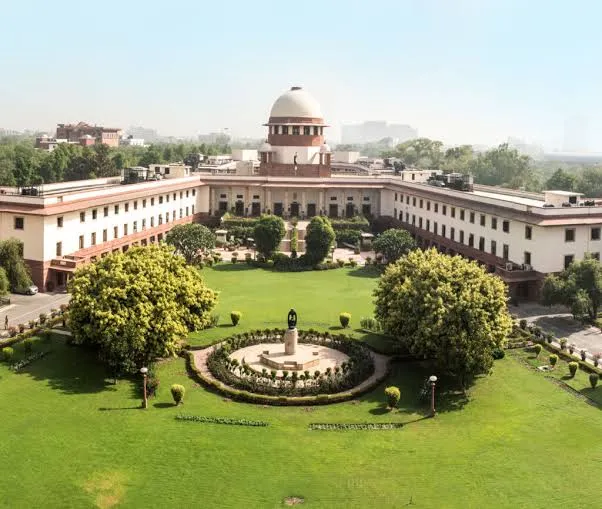
The Supreme Court of India is slated to hear writ petitions challenging controversial administrative decisions taken under Chief Election Commissioner Gyanesh Kumar concerning Special Intensive Revision (SIR) exercises.
The litigation calls into question the functioning and internal decision-making within the Election Commission of India (ECI), specifically targeting large-scale voter list revisions, database alterations, and alleged deletions. The petitions also seek an independent forensic audit into the election database platforms and request directions for criminal complaints under electoral laws against senior election officials for alleged breaches of statutory duties.
Legal Topic
-
Area of Law: Constitutional & Election Law
-
Sub-topic: Electoral Roll Revisions / Accountability of Constitutional Functionaries / Statutory Breaches
Core Legal Issue
The controversy centres on whether the Chief Election Commissioner and senior commission officials acted ultra vires or in breach of statutory duty under electoral laws by implementing nationwide database revisions, modifying voter registration forms, and presiding over substantial voter deletions without following lawful multi-member collegial procedures and statutory guidelines.
At issue is whether individual functionaries within an independent constitutional body can face judicial scrutiny and prosecution under statutory election laws for alleged administrative irregularities in maintaining voter registries.
What Did the Court / Authority Decide?
The Supreme Court has formally listed the writ petitions for hearing, agreeing to take up the matter.
The apex court has not yet adjudicated the substantive merits or issued final directions on the reliefs sought. The primary matter remains sub judice, with preliminary arguments on admissibility and judicial intervention pending before the bench.
Key Legal Points
-
Forensic Audit Demands: The petitions request a court-monitored forensic examination of the ECI's core technological systems, namely ECINet and ERONet databases, following allegations of systemic voter registry deletions.
-
Statutory Liability Under Section 32: The pleas invoke penal provisions under the Representation of the People Act, 1950, which establish criminal liability for election officials who commit wilful breaches of official duties regarding the preparation or correction of electoral rolls.
-
Institutional Governance: The matter brings to the forefront the operational dynamics of the multi-member Election Commission, testing the extent of unilateral administrative authority versus collegial decision-making under the constitutional framework.
-
Voter Enfranchisement Integrity: The challenge addresses allegations surrounding procedural shifts in voter enrolment forms and mass state-level appeals against voter inclusion.
Relevant Law
-
Section 32 of the Representation of the People Act, 1950: Imposes criminal penalties and imprisonment for breaches of official duty in connection with the preparation, revision, or correction of electoral rolls.
-
Article 324 of the Constitution of India: Governs the superintendence, direction, and control of elections vested in the Election Commission.
-
Registration of Electors Rules, 1960: Prescribes the statutory procedure and forms (such as Form 6) required for voter registration, inclusion, and deletion.
Arguments of the Parties
Petitioner
-
The petitioner argued that large-scale, unjustified voter deletions occurred across several States and Union Territories through automated systems during the SIR exercise without adhering to due process.
-
The petitioner submitted that unauthorised modifications were introduced to Form 6, accompanied by centralisation of electoral rolls that impeded the restoration of eligible voters.
-
It was further contended that senior ECI authorities, including the Chief Election Commissioner, committed actionable breaches of official duty warranting registration of complaints and criminal proceedings under Section 32 of the 1950 Act.
Respondent / Election Commission of India
-
The Commission maintains that revision exercises, including data verification safeguards, photo identity cross-checks, and field verifications, are aimed at eliminating bogus entries, duplications, and ineligible voters from the registry.
-
The authority's stance indicates that internal deliberative procedures adhere to established statutory regulations and that official decisions reflect institutional processes rather than individual malpractice.
Why Does It Matter?
The judicial scrutiny of how the Election Commission manages voter registries touches directly on the right to vote and democratic legitimacy. If the court entertains a forensic audit into ERONet and ECINet, it could set a major precedent for institutional transparency in automated administrative systems used in Indian elections.
Moreover, testing Section 32 of the Representation of the People Act against top-level election officials creates significant legal questions regarding where official administrative immunity ends and personal statutory accountability begins for constitutional administrators.
Legal Takeaway
Statutory officers responsible for managing voter lists operate under strict legal mandates, with the Representation of the People Act providing explicit penal remedies for deliberate breaches of duty in roll preparation. While constitutional functionaries enjoy considerable operational latitude, internal administrative practices concerning voter inclusion and deletion remain amenable to judicial review when fundamental franchise rights are allegedly infringed.
Sources
Primary Source:
-
Writ Petitions filed before the Supreme Court of India regarding electoral roll revisions and Section 32 of the Representation of the People Act, 1950.
Additional Sources:
-
High Court and Supreme Court cause lists and reporting via LiveLaw on the listing of petitions concerning the Special Intensive Revision (SIR) decisions and ECI administrative functioning.