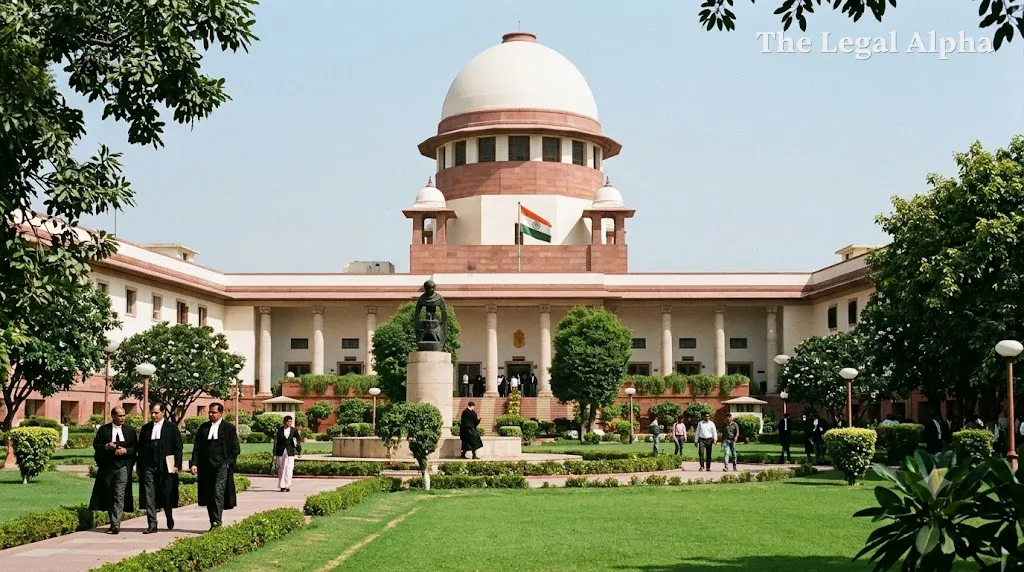
Supreme Court Issues Contempt Notice to Kerala Congress Office-Bearers Over Social Media Post Targeting Chief Justice
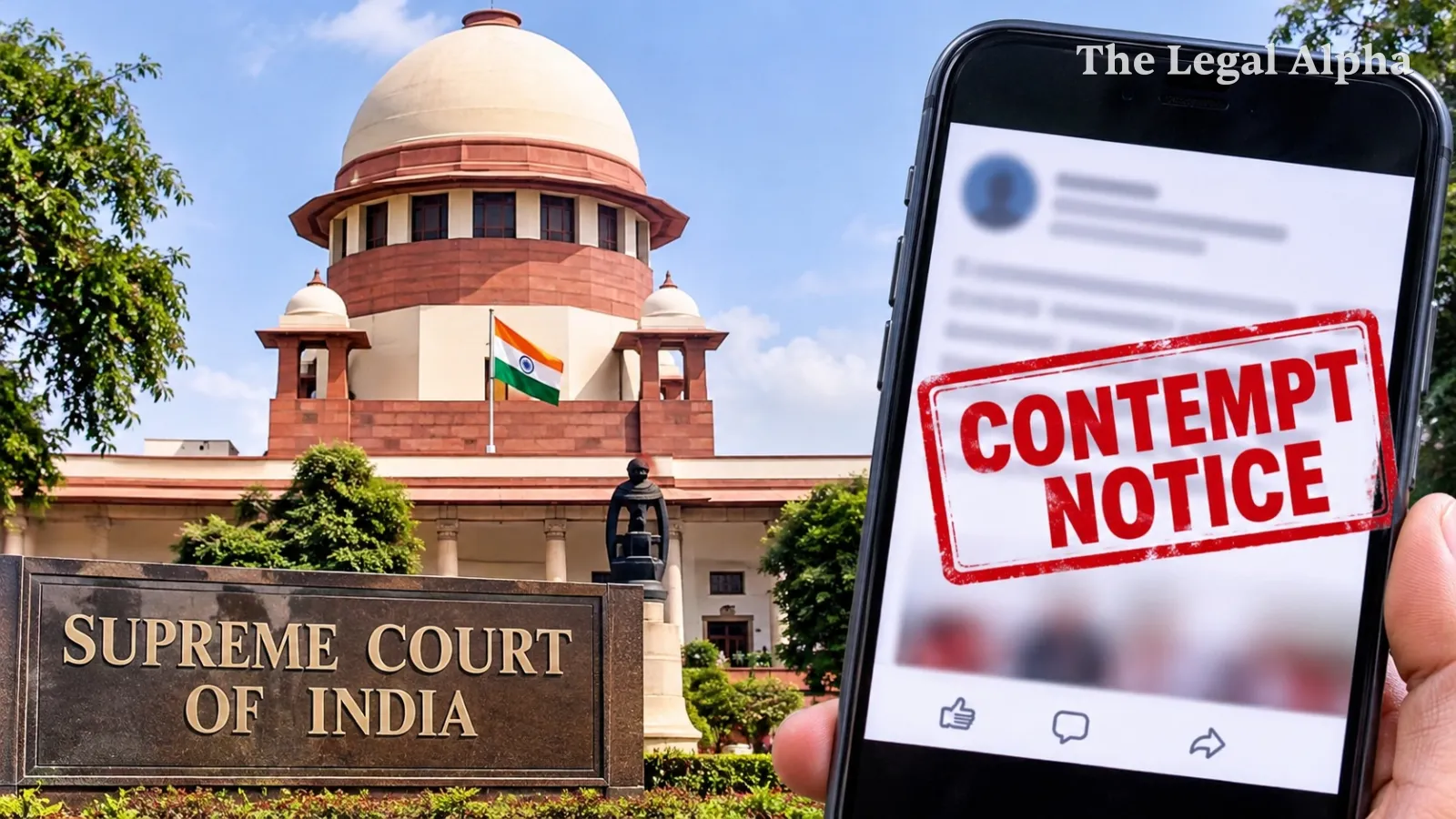
The Supreme Court of India initiated contempt proceedings against the office-bearers of the Kerala Pradesh Congress Committee (KPCC) following an objectionable post published from the party unit's official handle on X (formerly Twitter) targeting Chief Justice of India Surya Kant.
The controversial post, published on October 12, called for the Chief Justice's resignation and was removed shortly after publication amid widespread public criticism. Acting on a complaint submitted by an advocate, the Supreme Court took cognizance of the incident and issued formal show-cause notices to the party's state leadership, underscoring that political organisations cannot weaponise speech to undermine judicial independence.
Legal Topic
Area of Law: Constitutional Law & Criminal Contempt
Sub-topic: Contempt of Courts / Judicial Independence and Freedom of Speech
Core Legal Issue
The matter centres on whether a public post from a political organisation demanding the resignation of the head of the judiciary constitutes criminal contempt by scandalising the court or lowering its authority.
The court is addressing the constitutional boundary between legitimate, fair criticism of judicial orders and calculated institutional intimidation that interferes with the administration of justice under the guise of free speech.
What Did the Court Decide?
A division bench comprising Justice Aravind Kumar and Justice Vipul M. Pancholi issued contempt notices to the office-bearers of the Kerala Congress unit, directing them to submit their formal responses. The bench made several significant observations:
-
Institutional Authority: The court observed that the authority of the judiciary rests upon the Constitution and the rule of law rather than political endorsement or approval.
-
Limits of Criticism: While court judgments remain open to robust and severe scrutiny, deliberate attempts to degrade or intimidate the judiciary cannot be condoned.
-
No Immunity: The bench stressed that no individual or political party is above the Constitution, warning that institutional restraint must not be mistaken for administrative weakness.
The court has sought the assistance of Attorney General R. Venkataramani and indicated the appointment of an amicus curiae to examine whether the actions invite civil or criminal contempt. The matter is listed for further hearing on December 15.
Key Legal Points
-
Protection Against Institutional Subversion: Freedom of speech under Article 19(1)(a) does not function as an absolute shield to harass judicial officers or obstruct court administration.
-
Remedies Do Not Erase Contempt: Deleting an objectionable public statement or tendering a post-facto apology does not automatically purge potential contempt if institutional damage has already occurred.
-
Constitutional Primacy: The judicial branch operates within constitutional parameters independent of political convenience or external pressure.
Relevant Law
-
Constitution of India:
-
Article 129 (Supreme Court as a court of record with inherent power to punish for contempt of itself)
-
Article 19(1)(a) read with Article 19(2) (Reasonable restrictions on freedom of speech relating to contempt of court)
-
-
Contempt of Courts Act, 1971:
-
Section 2(c) (Definition of criminal contempt, covering acts that scandalise or prejudice judicial proceedings)
-
Section 12 (Punishment and terms governing apologies)
-
Arguments of the Parties
On Behalf of the Complainant / Action Initiated:
The communication submitted to the court pointed out that direct public attacks on the head of the judiciary demanding political accountability or resignation scandalise the court's standing and create unwarranted public distrust in the judicial machinery.
On Behalf of the Kerala Congress Leadership:
Counsel representing the party unit submitted an unconditional apology, stating that the post was published without authorization from key office-bearers. The counsel noted that the post was taken down on the same day, a clarification was issued, and the person responsible for managing the account was removed from their role.
Why Does It Matter?
This development reinforces regulatory and constitutional boundaries governing political commentary on social media platforms. It sends a clear signal to political bodies and digital campaigns that institutional attacks aimed at judges cross the line of fair comment under Section 5 of the Contempt of Courts Act.
Furthermore, the proceedings illustrate that immediate removal of digital content or disclaiming operational responsibility does not provide guaranteed immunity when institutional integrity has been brought into question.
Legal Takeaway
Free expression permits vigorous disagreement with judicial rulings, but public campaigns intended to browbeat or disparage judges cross into contempt. Deleting an offensive digital post does not automatically eliminate legal liability once institutional authority has been scandalised.
Sources
Primary Source:
Proceedings and orders of the Supreme Court of India in the contempt petition concerning the Kerala Pradesh Congress Committee social media post (Bench of Justices Aravind Kumar and Vipul M. Pancholi).
Additional Sources:
Court reportage and verified legal reporting from Bar & Bench, The Indian Express, and Press Trust of India.