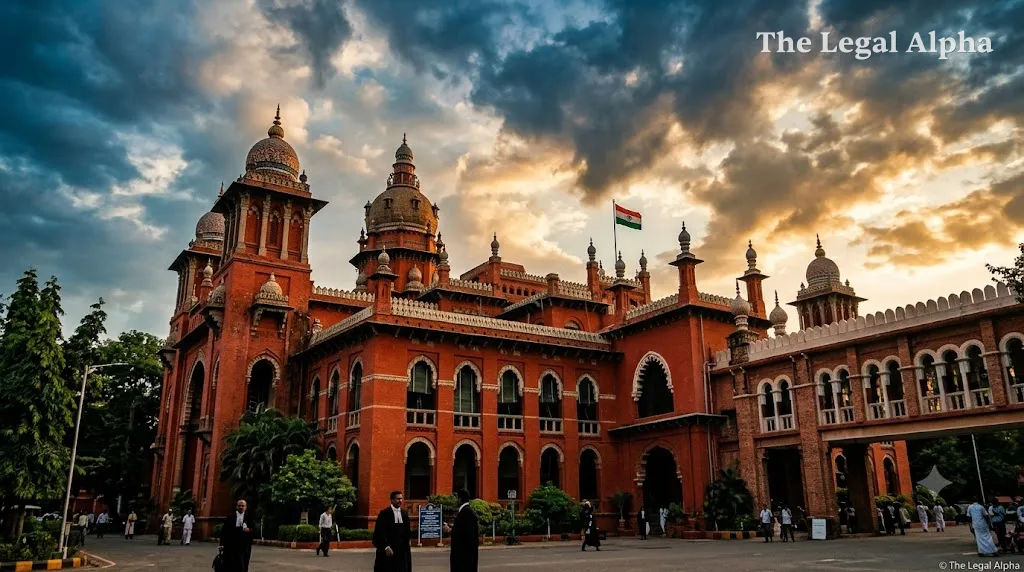
Supreme Court Condemns Ministry Dominance Over Tribunal Staff Appointments

The Supreme Court of India expressed grave concern over the Ministry of Corporate Affairs (MCA) controlling the recruitment and staffing framework of the National Company Law Tribunal (NCLT) and the National Company Law Appellate Tribunal (NCLAT).
During a hearing before a bench comprising Chief Justice Surya Kant, Justice Joymalya Bagchi, and Justice V. Mohana, the court characterized the executive's interference in administrative appointments as an infringement on judicial independence. The bench criticized the practice of outsourcing staff through third-party agencies on temporary contracts, maintaining that administrative authority over tribunal personnel must remain strictly with the tribunal head.
Legal Topic
Area of Law: Corporate Law and Administrative Law
Sub-Topic: Insovency and Debt Resolution/Independence of Quasi-Judicial Tribunals.
Core Legal Issue
The primary legal question centers on whether the executive branch (the Ministry) can determine the staffing, recruitment mechanisms, and internal administration of a quasi-judicial body adjudicating high-stakes corporate disputes.
It also addresses whether outsourcing personnel to perform sensitive judicial support functions violates the separation of powers, institutional autonomy, and the confidentiality required in tribunal proceedings.
What Did the Court Decide?
The Supreme Court declined to grant permanent regularization or back-door entry to contractual staff outside statutory recruitment procedures.
At the same time, the court issued formal notice on the broader systemic issue of tribunal independence and directed the following:
-
The heads of the NCLT and NCLAT must submit comprehensive reports within four weeks outlining their actual infrastructure and workforce requirements.
-
Relevant authorities must implement an urgent deputation framework drawing from government departments as an interim solution.
-
A structured, regular recruitment drive must be carried out through official civil service channels (such as the UPSC and SSC) under the direct supervision of tribunal heads.
Key Legal Points
-
Institutional Independence: Quasi-judicial tribunals must exercise independent administrative authority over their internal apparatus, insulated from ministerial control.
-
Master-Servant Relationship: Judicial staff cannot be tied to private third-party contractors; the primary employment relationship must exist directly with the tribunal.
-
Risks of Outsourcing: Relying on transient contractual workers supplied by outside vendors compromises the integrity and confidentiality of judicial operations.
-
Rejection of Back-Door Regularization: Temporary relief cannot override constitutional mandates of open, merit-based public recruitment under equality principles.
Relevant Law
-
Companies Act, 2013: Statutory provisions governing the establishment, administration, and jurisdiction of the NCLT and NCLAT.
-
Insolvency and Bankruptcy Code, 2016 (IBC): Provisions establishing the NCLT as the designated Adjudicating Authority.
-
Constitution of India: Article 14 (equality of opportunity in public employment) and the constitutional doctrine of the separation of powers and judicial independence.
Arguments of the Parties
The Petitioners (Contractual Staff):
-
Senior Counsel Meenakshi Arora submitted that the petitioners had served the tribunal for up to six years under precarious terms.
-
They argued for fair employment protections and stable regular service rather than being left vulnerable to outside contractor arrangements.
The State and Ministry (MCA):
-
The executive contended that outsourcing served as a rapid stop-gap measure to address critical administrative vacancies.
-
The submissions emphasized the immediate need to bridge manpower shortages where regular recruitment processes face severe delays.
Why Does It Matter?
The resolution of this issue carries significant weight for India's corporate resolution ecosystem. Delays and administrative bottlenecks within the NCLT directly stall corporate insolvency and liquidation timelines under the IBC.
Restoring administrative control to tribunal heads rather than government ministries reinforces an essential principle: dispute-resolution bodies must remain completely detached from executive oversight, preserving investor confidence and the integrity of commercial adjudication.
Legal Takeaway
Quasi-judicial autonomy cannot exist without independent control over staffing and administrative operations. The executive branch cannot substitute structured statutory appointments with outsourced contract labor at the cost of tribunal independence.
Sources
-
Primary Source: Supreme Court of India, Bench of Justices Surya Kant, Joymalya Bagchi, and V. Mohana, in Ziyaul Haq and others v. Union of India and others.
-
Additional Sources: Administrative filings regarding NCLT staffing and official court proceedings records.