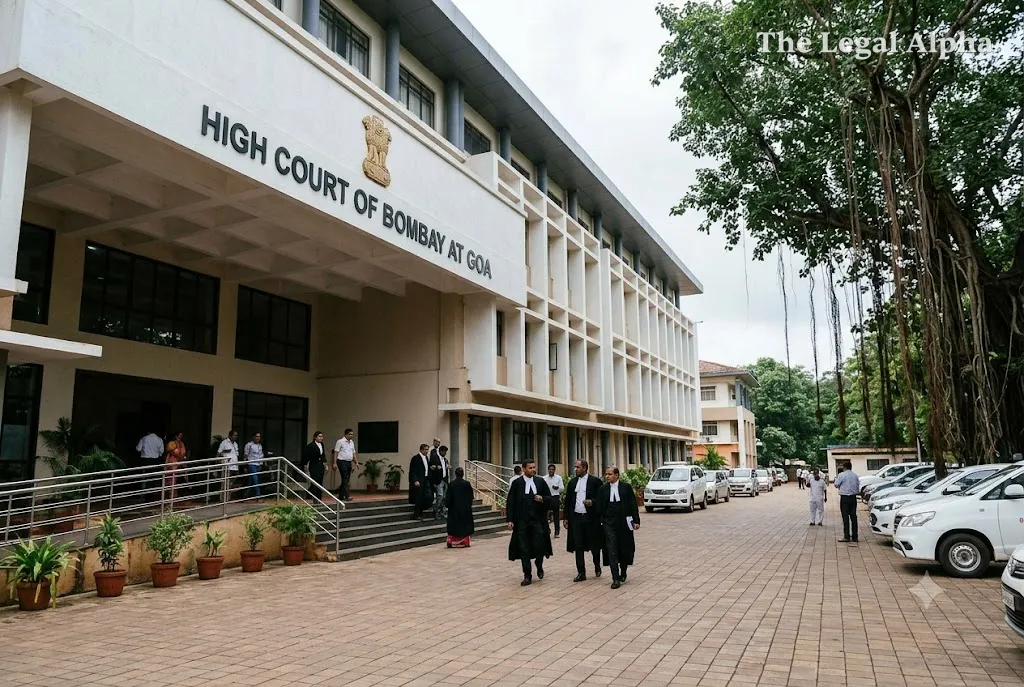
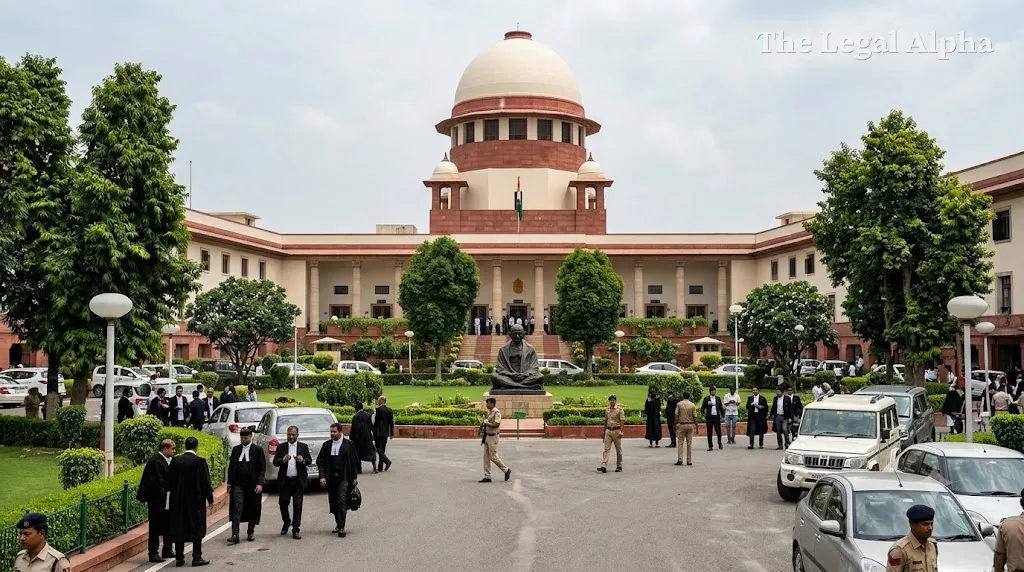
Resistance from Bar Associations Stalled Re-Engagement of Retired High Court Judges, Observes Supreme Court
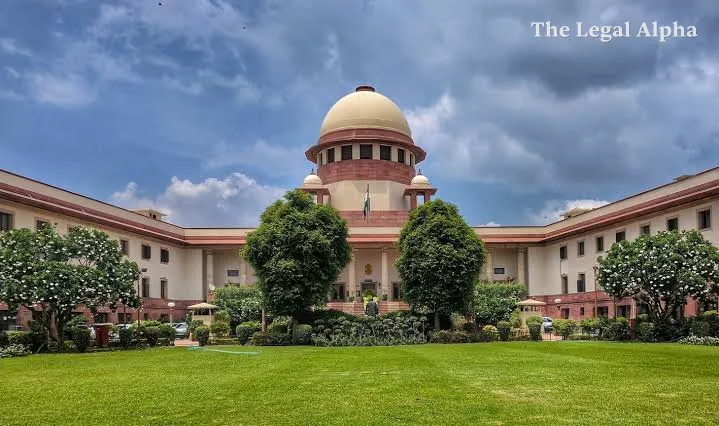
The Supreme Court remarked that strong opposition from Bar Associations thwarted its efforts to bring back retired judges as temporary, ad-hoc judges to clear massive pendency across High Courts.
A three-judge bench comprising Chief Justice of India Surya Kant, Justice Joymalya Bagchi, and Justice V. Mohana made the candid observation during a hearing concerning the seniority of judicial officers in Rajasthan. While discussing judicial retention and retirement conditions, the bench recalled that the constitutional mechanism to utilize seasoned judicial talent fell flat because lawyer bodies resisted the move and actively passed adverse resolutions. The court noted that this pushback ultimately left willing retired judges in limbo and deprived the justice system of valuable institutional expertise.
Legal Topic
Area of Law: Constitutional Law & Judicial Administration
Sub-topic: Appointment of Ad-Hoc Judges / Article 224A
Core Legal Issue
The core issue concerns the practical enforceability of Article 224A of the Constitution of India, which allows Chief Justices of High Courts—with the President's assent—to appoint retired judges to tackle prolonged case arrears.
Specifically, the discussion highlights the institutional friction between the judiciary's attempts to invoke constitutional flexibility for reducing backlogs and the resistance mounted by advocate bodies who view ad-hoc tenure extensions as detrimental to regular judicial elevations and regular bar opportunities.
What Did the Court Decide?
While the remarks arose as oral observations rather than a binding final judgment in that specific listing, the bench recorded critical concerns regarding judicial administration:
-
Stalling of the Policy: CJI Surya Kant observed that the initiative could not take off because the institution could not risk antagonizing bar associations that had begun passing resolutions against re-engaging retired judges.
-
Plight of Willing Judges: Justice Joymalya Bagchi highlighted that several retired judges who had offered their services declined lucrative private commercial arbitrations in legitimate expectation of being appointed, only to be left stranded.
-
International Comparison: The bench cited global practices, such as in the United States, where senior and retired judges regularly sit on complex matters to lend their specialized experience to the bench.
-
Judicial Service Conditions: The court underlined that judicial independence is intrinsically linked to adequate pensions and post-retirement security for judicial officers.
Key Legal Points
-
Constitutional Underutilization: Article 224A is designed as an emergency relief valve for handling case backlogs, yet administrative friction and bar resistance have largely reduced it to a dead letter.
-
Institutional Memory and Expertise: Re-engaging veteran judges provides immediate dispute-resolution capacity without the procedural runway required for fresh appointments.
-
Independence Tied to Security: The bench emphasized that judicial independence requires fair retirement security, warning that inadequate pensions force officers to consider alternative avenues or leave prematurely.
Relevant Law
-
Article 224A of the Constitution of India: Governs the appointment of retired judges at sittings of High Courts.
-
Article 217 of the Constitution of India: Pertains to the appointment and conditions of the office of a regular High Court Judge.
-
Lok Prahari v. Union of India (2021): The Supreme Court's landmark ruling framing detailed guidelines to activate Article 224A for clearing five-year-old pendency without stalling regular collegium selections.
Arguments of the Parties
-
The Bar / Advocate Bodies: Historically, bar associations have opposed the ad-hoc model over concerns that bringing back retired judges blocks vacancies for practicing advocates, diminishes prospects for elevating younger talent from the bar, and creates parallel tiers within the judicial hierarchy.
-
The Judicial Administration / High Courts: The bench noted that ad-hoc judges were intended strictly as a supplementary mechanism to clear chronic backlogs in targeted areas, rather than as a substitute for regular judicial recruitment.
Why Does It Matter?
India's High Courts are weighed down by millions of pending disputes, with a significant percentage lingering for over five years. Article 224A was intended to provide a quick, cost-effective surge capacity using judges who need no training or ramp-up time.
The court's comments expose a deep structural impasse: constitutional mechanisms cannot function smoothly without consensus from the organized Bar. If lawyer boycotts and resolutions can effectively veto constitutional provisions, policy-makers and judicial leaders must rethink how stakeholder consultations are handled when attempting systemic procedural reforms.
Legal Takeaway
Constitutional mechanisms like Article 224A cannot solve judicial pendency in a vacuum. Unless the judiciary addresses the professional apprehensions of the bar, innovative administrative tools to tackle case backlogs will remain stalled despite clear constitutional backing.
Sources
Primary Source:
-
Proceedings before the Supreme Court of India in the Rajasthan Judicial Officers Seniority matter (Bench of Chief Justice Surya Kant, Justice Joymalya Bagchi, and Justice V. Mohana, October 29, 2026).
Additional Sources:
-
Constitution of India, Articles 217 and 224A.
-
Lok Prahari v. Union of India & Ors. (2021 INSC 261 / WP (C) No. 1236 of 2019).