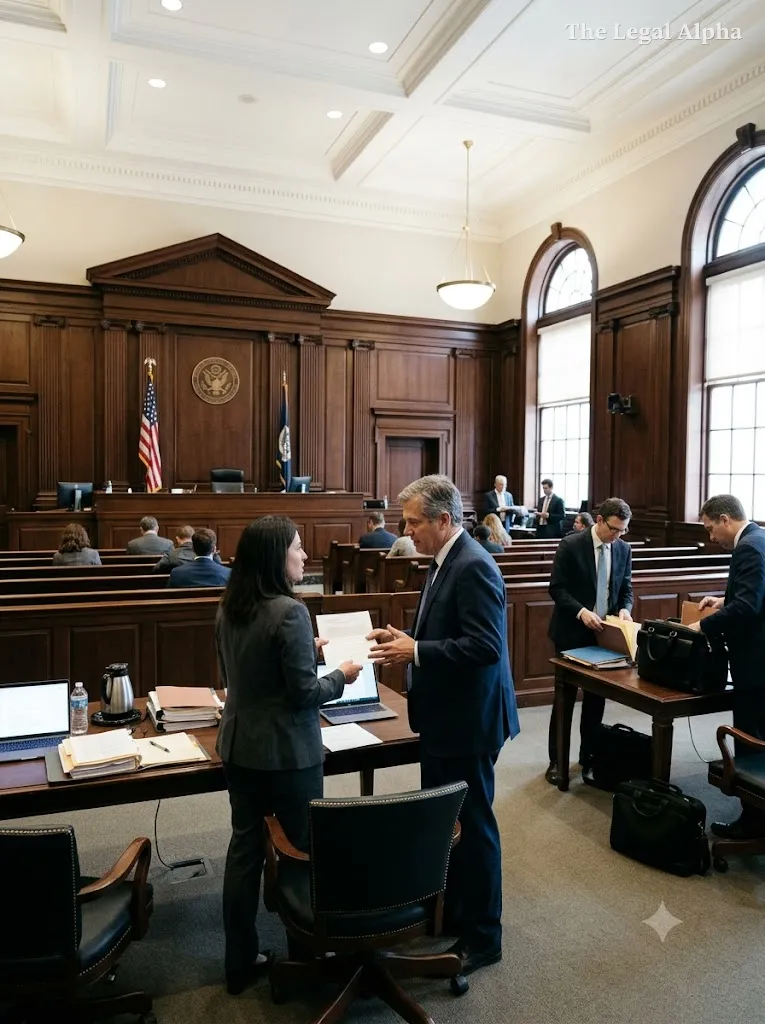
Ohio Appeals Court Affirms Municipal Authority to Ban Short-Term Rentals in Single-Family Neighbourhoods
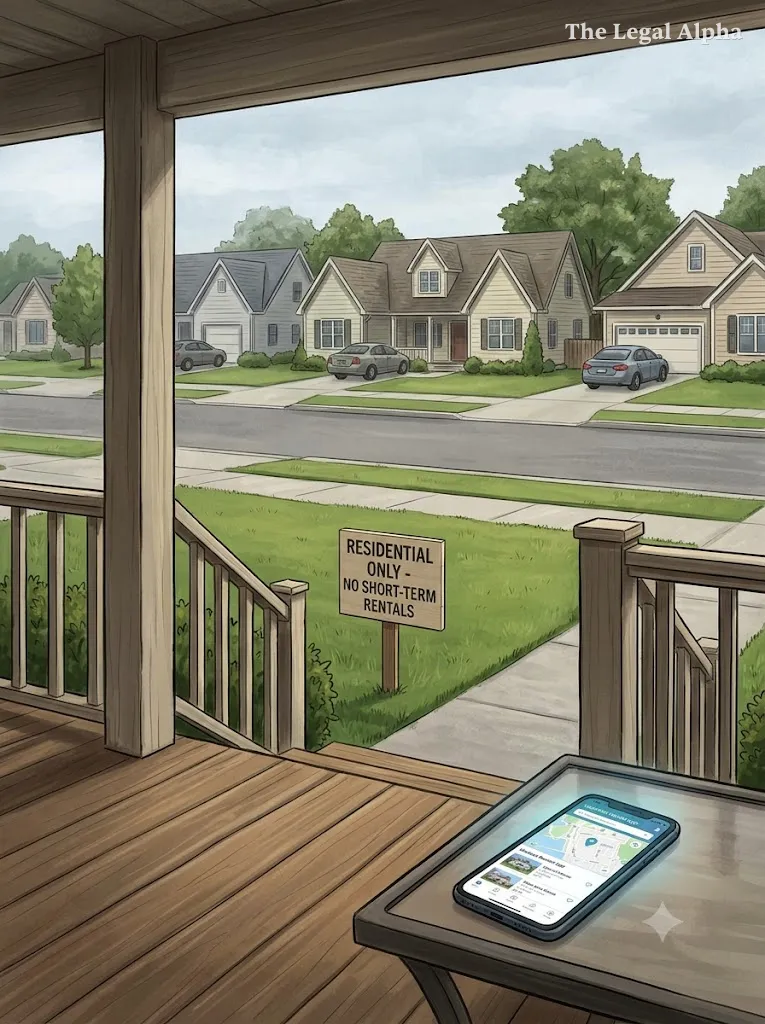
An Ohio state appellate court has affirmed that local zoning authorities possess the legal power to prohibit residential properties from operating as short-term vacation rentals within designated single-family subdivisions.
The decision resolves a dispute involving property owner Michael A. Clevenger, who acquired a single-family home within a 140-home residential development in Stark County, Ohio. Shortly after acquiring the property, Clevenger began advertising and leasing the home on digital hosting platforms, including Airbnb, to transient vacationers. In response to complaints from neighbouring homeowners regarding increased traffic, parking congestion, and safety concerns, municipal zoning authorities issued an official notice of violation for operating an unauthorised commercial lodging business in a residential zone. After unsuccessful administrative appeals before the local township zoning board and the Stark County Court of Common Pleas, the Fifth District Court of Appeals of Ohio upheld the lower decisions and confirmed the validity of the zoning restriction.
Legal Topic
-
Area of Law: Real Estate & Municipal Law
-
Sub-topic: Land Use Regulation / Short-Term Rental Zoning Restrictions
Core Legal Issue
The dispute centres on whether the transient, commercial lease of a dwelling in an area zoned strictly for single-family residential occupancy constitutes an impermissible business use under local land-use ordinances.
The appellate court had to determine whether an owner's assertion that the dwelling doubles as their personal residence exempts recurring short-term rentals from zoning regulations governing single-family districts.
What Did the Court Decide?
The Fifth District Court of Appeals of Ohio rejected the property owner’s challenge and affirmed the judgment of the Stark County Court of Common Pleas.
The appellate court held that local townships and municipal bodies act well within their regulatory powers when classifying recurring, short-term rentals to transient guests as commercial or unapproved uses in single-family residential districts. By sustaining the enforcement notice, the ruling confirms that the property owner is legally barred from listing the residence for short-term stays under existing township rules.
Key Legal Points
-
Distinction Between Transient and Residential Use: The court reinforced that short-term occupancy by paying tourists functions as a transient commercial use rather than single-family dwelling occupancy.
-
Validity of Municipal Zoning Discretion: Local zoning boards maintain statutory authority to interpret residential definitions so as to exclude revolving, short-stay commercial lodging.
-
Rejection of Primary-Residence Defence: Claiming that a structure also serves as a primary residence does not automatically neutralise local restrictions when the activity constitutes an unpermitted commercial venture.
-
Substantial Evidence Standard: The appellate panel found adequate record evidence that the owner's systematic listing activity violated clear township land-use codes.
Relevant Law
-
Ohio Revised Code (R.C.) Chapter 519: Grants Ohio township trustees the authority to enact zoning resolutions and land-use regulations to promote public health, safety, and general welfare.
-
Local Township Residential Zoning Ordinances (Stark County): Provisions defining and limiting permitted uses within single-family residential districts.
-
Judicial Review of Administrative Decisions (R.C. 2506): Statutory standard governing appeals from administrative boards of zoning appeals to the Ohio Courts of Common Pleas.
Arguments of the Parties
The Property Owner (Michael A. Clevenger): The appellant contended that renting out the home periodically did not contravene the local residential zoning framework. Clevenger argued that the house functioned as his personal dwelling and that hosting temporary, short-stay visitors did not transform a single-family house into a commercial hotel or boarding house.
The Zoning Authorities & Municipality: The township zoning board maintained that operating an active, internet-based short-term rental business is fundamentally inconsistent with the character of a single-family residential zone. Officials argued that regular short-term rentals introduce commercial-scale traffic, safety hazards, and disruptions that zoning ordinances are explicitly intended to prevent.
Why Does It Matter?
This ruling provides legal clarity for residential communities, township boards, and property investors navigating the collision between property rights and local zoning ordinances. As digital rental marketplaces expand, municipalities face increasing pressure from neighbourhood associations to protect residential stability, quiet enjoyment, and long-term housing availability.
The judgment underscores that property owners purchasing residential homes with the intent to generate short-term revenue cannot simply rely on the physical structure's residential facade. Unless permitted by express exceptions or specific conditional-use permits, local administrative bodies have substantial authority to enforce single-family restrictions against recurring tourist rentals.
Legal Takeaway
A home's physical classification as a single-family structure does not shield commercial-style, short-term rental operations from local land-use laws. Municipalities possess clear legal authority to enforce residential zoning restrictions against transient lodging, regardless of whether the owner claims personal occupancy.
Sources
-
Primary Source: Judgment of the Ohio Fifth District Court of Appeals (Stark County), decided October 26, 2026.
-
Additional Sources: Public land-use filings and administrative records, Stark County Court of Common Pleas.