Madras High Court Seeks Responses on Plea Demanding Nationality Inquiry and Social Media Ban Against Saurav Das
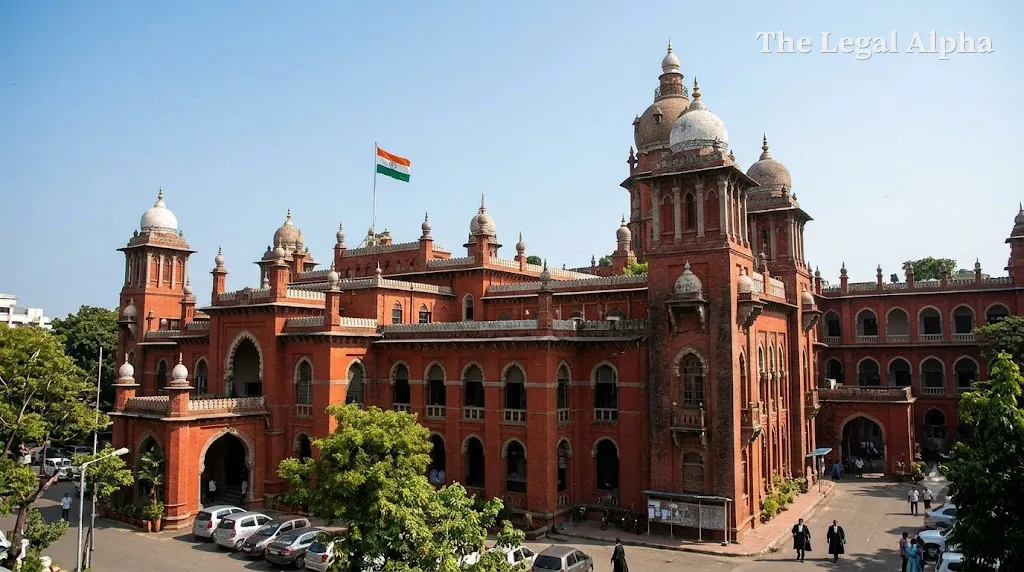
The Madras High Court has issued notice on a Public Interest Litigation seeking an inquiry into the nationality, background, and citizenship documentation of political commentator and journalist Saurav Das. The petitioner has also prayed for directions to block Das's social media accounts on X and Instagram over statements allegedly disparaging the Indian judiciary and Supreme Court judges. A Division Bench comprising Chief Justice S.A. Dharmadhikari and Justice G. Arul Murugan heard preliminary arguments before agreeing to issue notice to Das, the Union Government, and other official respondents.
Legal Topic
-
Area of Law: Constitutional Law / Information Technology Law
-
Sub-topic: Writ Jurisdiction, Intermediary Regulation, and Passport Administration
Core Legal Issue
The primary legal questions before the High Court concern the scope of judicial intervention under Article 226 of the Constitution when seeking mandamus against administrative inaction on digital speech complaints, as well as the threshold required for constitutional courts to order identity and citizenship verifications against individual citizens.
Additionally, the matter involves the application of Section 69A of the Information Technology Act, 2000, particularly whether third-party public interest litigants can bypass statutory complaint redressal mechanisms to secure blanket account blocks over alleged contemptuous or defamatory commentary directed at constitutional functionaries.
What Did the Court Decide?
The Division Bench issued formal notice to the respondents—including Saurav Das, the Ministry of Home Affairs, the Ministry of Electronics and Information Technology, and the Regional Passport Office—directing them to place their responses on record.
The Court did not grant any ad-interim injunctions or account takedowns at this preliminary stage. The Bench inquired whether the petitioner had previously pursued complaints before relevant administrative authorities and reviewed documentation regarding identity discrepancies presented by the petitioner's counsel. The proceedings have been scheduled for further hearing after six weeks.
Key Legal Points
-
Jurisdictional Notice: The High Court entertained the writ petition to ascertain whether administrative authorities failed to act upon representations concerning verification of identity credentials and regulatory compliance.
-
Statutory Thresholds for Account Blocking: Any direction to suspend or block public social media profiles implicates the procedure established under the Information Technology (Procedure and Safeguards for Blocking for Access of Information by Public) Rules, 2009.
-
Distinction Between Contempt and Administrative Verification: The petition blends grievances regarding criticism of judicial officers with inquiries into citizenship status, invoking both regulatory scrutiny and potential proceedings under contempt or passport cancellation mechanisms.
Relevant Law
-
Article 226 of the Constitution of India: Power of High Courts to issue prerogative writs, including mandamus, against state authorities for failure to perform statutory duties.
-
Section 69A of the Information Technology Act, 2000: Power to issue directions for blocking public access to information through any computer resource.
-
The Passports Act, 1967 (Sections 10 and 12): Provisions governing the impounding, revocation, or cancellation of passports and penalties for suppressing identity details.
-
The Aadhaar (Targeted Delivery of Financial and Other Subsidies, Benefits and Services) Act, 2016: Statutory norms governing the validity, verification, and deactivation of unique identification numbers.
Arguments of the Parties
The Petitioner The petitioner, Ganesh Kumar, argued that Saurav Das (identified in the pleadings as "Yogesh Sharma alias Saurav Das") has published continuous derogatory remarks targeting the higher judiciary and sitting judges of the Supreme Court. It was submitted that despite a formal representation submitted to the Central Government on October 7, 2026, no administrative action was initiated. The petitioner further contended that discrepancies exist regarding the respondent's identity and documentation, warranting an official probe by the Ministry of Home Affairs and cancellation of his passport and Aadhaar card if statutory violations or foreign nationality are established.
The Respondents The High Court has issued notice to elicit the response of the respondents. In similar challenges regarding digital commentary and online criticism of public institutions, respondents typically assert protections under Article 19(1)(a) (freedom of speech and expression), arguing that personal grievances cannot circumvent statutory procedures or be converted into broad citizenship and surveillance inquiries through PIL petitions.
Why Does It Matter?
This case highlights an increasing trend where PILs are utilized to pursue administrative and digital sanctions against commentators and critics. When litigants invoke writ jurisdiction to demand account-level blocking alongside citizenship and identity probes, courts must balance institutional dignity against the risks of procedural bypass.
The eventual adjudication will clarify whether constitutional courts will direct executive agencies to examine individuals' foundational identification documents based on private complaints concerning digital commentary, or require aggrieved parties to strictly follow designated civil defamation, criminal law, or contempt processes.
Legal Takeaway
Issuing a notice is a procedural step rather than an adjudication on merits, meaning the High Court has only called for the executive's and respondent's stances. Litigants seeking digital speech bans and passport revocations must demonstrate clear administrative failure rather than using writ jurisdiction as a substitute for established statutory remedies.
Sources
-
Primary Source: Madras High Court proceedings in Ganesh Kumar v. Regional Passport Officer & Ors. (Order dated October 30, 2026; Bench of Chief Justice S.A. Dharmadhikari and Justice G. Arul Murugan).
-
Additional Sources: Filings and verified reports concerning Writ Petition representation dated October 7, 2026.