National Integrity at Stake: Election Commission Examines Separatism Objections in Waris Punjab De Registration Plea
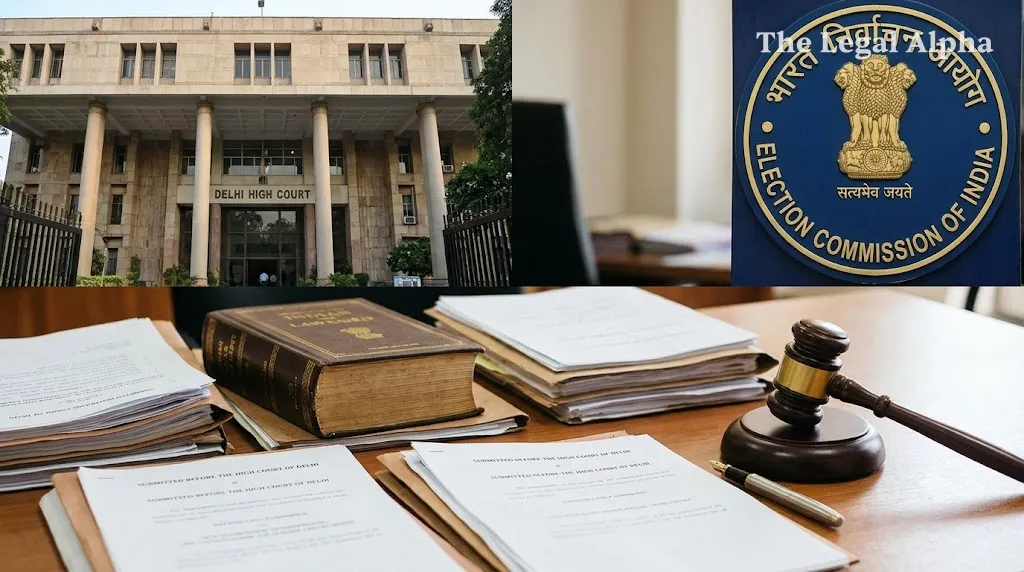
The Election Commission of India informed the Delhi High Court that it is actively reviewing serious objections alleging separatist inclinations against the outfit Waris Punjab De before deciding whether to register it as an official political party.
The submission came during proceedings initiated by the organisation, which approached the High Court seeking a time-bound directive for the poll body to expedite its registration process. The outfit voiced apprehension that bureaucratic delays would hinder its ability to secure a common electoral symbol ahead of the upcoming Punjab Legislative Assembly elections. In a fresh affidavit, the Commission placed on record that it has commissioned a comprehensive background inquiry through the Chief Electoral Officer of Punjab regarding representations that allege granting registration could compromise national sovereignty and public order.
Legal Topic
Area of Law: Constitutional & Election Law
Sub-topic: Political Party Registration / Section 29A Representation of the People Act, 1951
Core Legal Issue
The dispute turns on the scope of the Election Commission’s scrutiny under Section 29A of the Representation of the People Act, 1951. Specifically, the court must consider whether the Commission has the statutory authority to conduct detailed background security checks and withhold or pause political registration when an applicant association faces allegations of promoting separatism or threatening national sovereignty.
What Did the Court / Authority Decide?
Justice Saurabh Banerjee heard the submissions on behalf of both the Commission and the applicant organisation. The High Court declined to issue an immediate mandamus compelling instant registration, taking note of the poll panel's ongoing verification process.
The Election Commission submitted in its updated affidavit that reminders have been issued to the Chief Electoral Officer of Punjab to submit the inquiry report without delay. The Commission affirmed that if the report clears the organisation, further statutory registration steps under Section 29A will proceed in ordinary course. The High Court listed the matter for further consideration on January 11, 2027, keeping the petition pending to monitor the outcome of the inquiry.
Key Legal Points
-
Statutory Mandate on Sovereignty: Section 29A(5) mandates that any association applying for registration must include a specific constitutional allegiance clause affirming faith in the sovereignty, unity, and integrity of India.
-
Executive Verification vs. Administrative Formality: The poll body contends that party registration is not a mechanical rubber-stamping exercise, and receipt of formal objections concerning national security warrants a substantive factual inquiry.
-
Common Symbol Precarity: The Commission submitted that concerns regarding the denial of a common reserved symbol for future legislative polls do not create a legal basis to bypass mandatory background verification.
-
Interim Deferral: The High Court chose not to truncate statutory inquiry timelines through judicial intervention, deferring proceedings until the administrative findings are placed on record.
Relevant Law
-
Section 29A, Representation of the People Act, 1951: Governs the formal registration of associations and bodies as political parties with the Election Commission of India.
-
Article 19(1)(c) read with Article 19(4), Constitution of India: Confers the fundamental right to form associations or unions, subject to reasonable restrictions imposed in the interests of the sovereignty and integrity of India, public order, or morality.
-
Article 324, Constitution of India: Vests the superintendence, direction, and control of elections in the Election Commission of India.
-
Election Symbols (Reservation and Allotment) Order, 1968: Regulates the allotment of symbols to registered recognized and unrecognised political entities.
Arguments of the Parties
Petitioner (Waris Punjab De): Senior counsel appearing for the petitioner argued that the organisation had fulfilled procedural prerequisites and submitted its application in regular course. The petitioner contended that an open-ended delay by the Commission unfairly handicaps a political outfit by denying it timely access to a common election symbol, severely impairing its ability to mobilize and contest the impending state assembly elections on an equal footing.
Respondent (Election Commission of India): Standing counsel representing the Election Commission argued that grave representations had been submitted accusing the outfit of pursuing separatist objectives that could imperil India’s sovereignty and integrity. The Commission submitted that it is bound to evaluate such objections thoroughly through state intelligence and election administration channels before granting statutory recognition, rendering any claim of arbitrary delay legally untenable.
Why Does It Matter?
This proceeding highlights the delicate threshold between the constitutional freedom to organize politically and the state’s prerogative to protect national integrity. If the statutory inquiry results in an adverse finding, it could delineate the evidentiary standards required for the Election Commission to reject an application under Section 29A at the threshold.
For emerging political formations, the case underscores that compliance with statutory paper declarations does not insulate an outfit from comprehensive security scrutiny if substantive representations allege anti-national activities. The eventual ruling will clarify how far the poll body can scrutinize ideological stances and executive allegations prior to granting formal party status.
Legal Takeaway
Registration as a political party under Section 29A of the Representation of the People Act requires substantive adherence to India's sovereignty and integrity, not merely formal recitals on paper. The Election Commission retains the discretion to conduct comprehensive background inquiries into grave national security objections before extending statutory recognition.
Sources
Primary Source: Affidavit and submissions filed by the Election Commission of India before the Delhi High Court in Waris Punjab De v. Election Commission of India (Listed before Justice Saurabh Banerjee, next hearing January 11, 2027).
Additional Sources:
-
High Court hearing records and submissions by Standing Counsel for the Election Commission of India (November 2026).
-
Provisions of the Representation of the People Act, 1951 (Section 29A).