Ministerial Duties Cannot Replace Courtroom Advocacy: Supreme Court Rejects Equating Bench Clerks with Law Clerks for Judicial Service
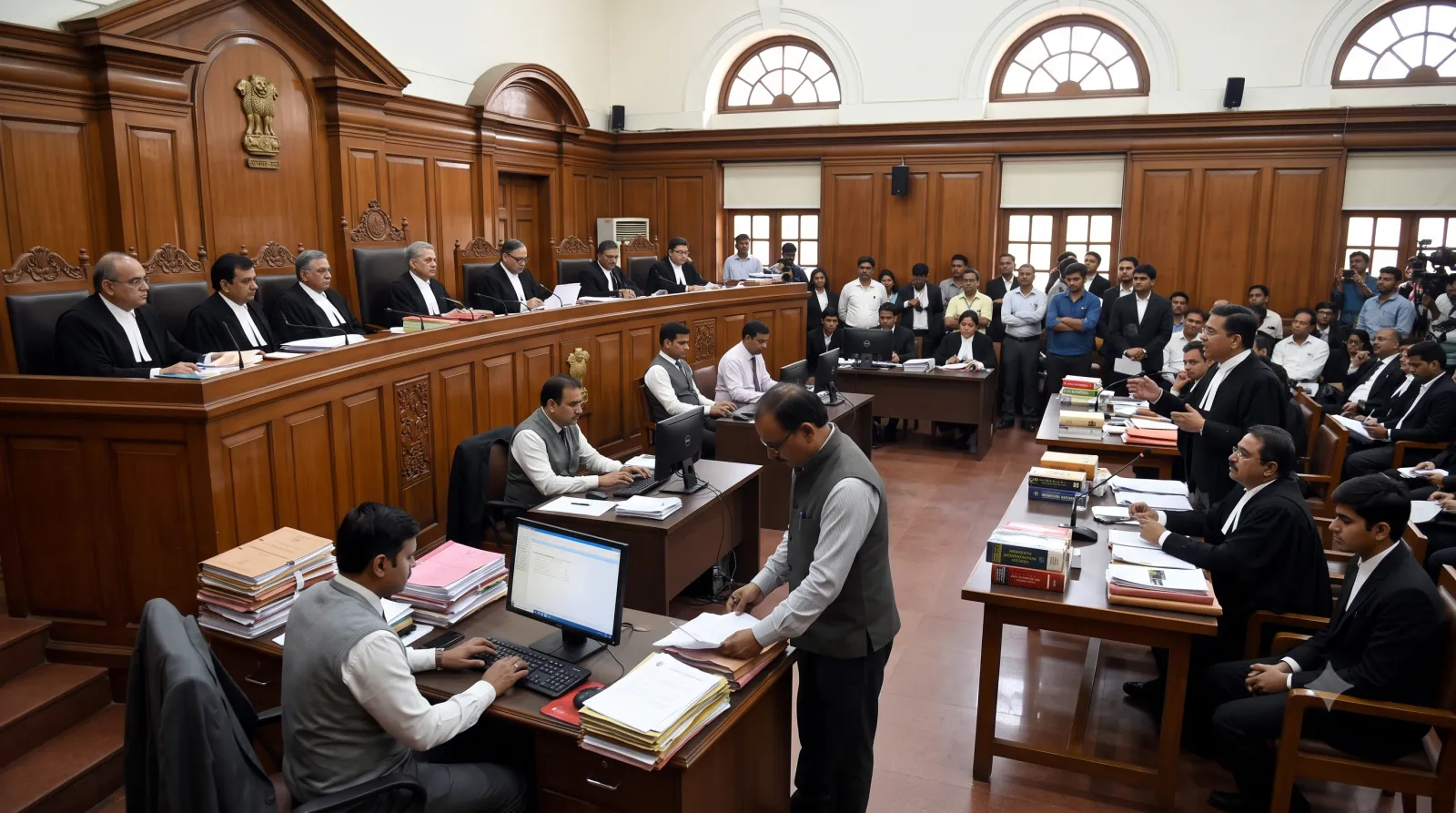
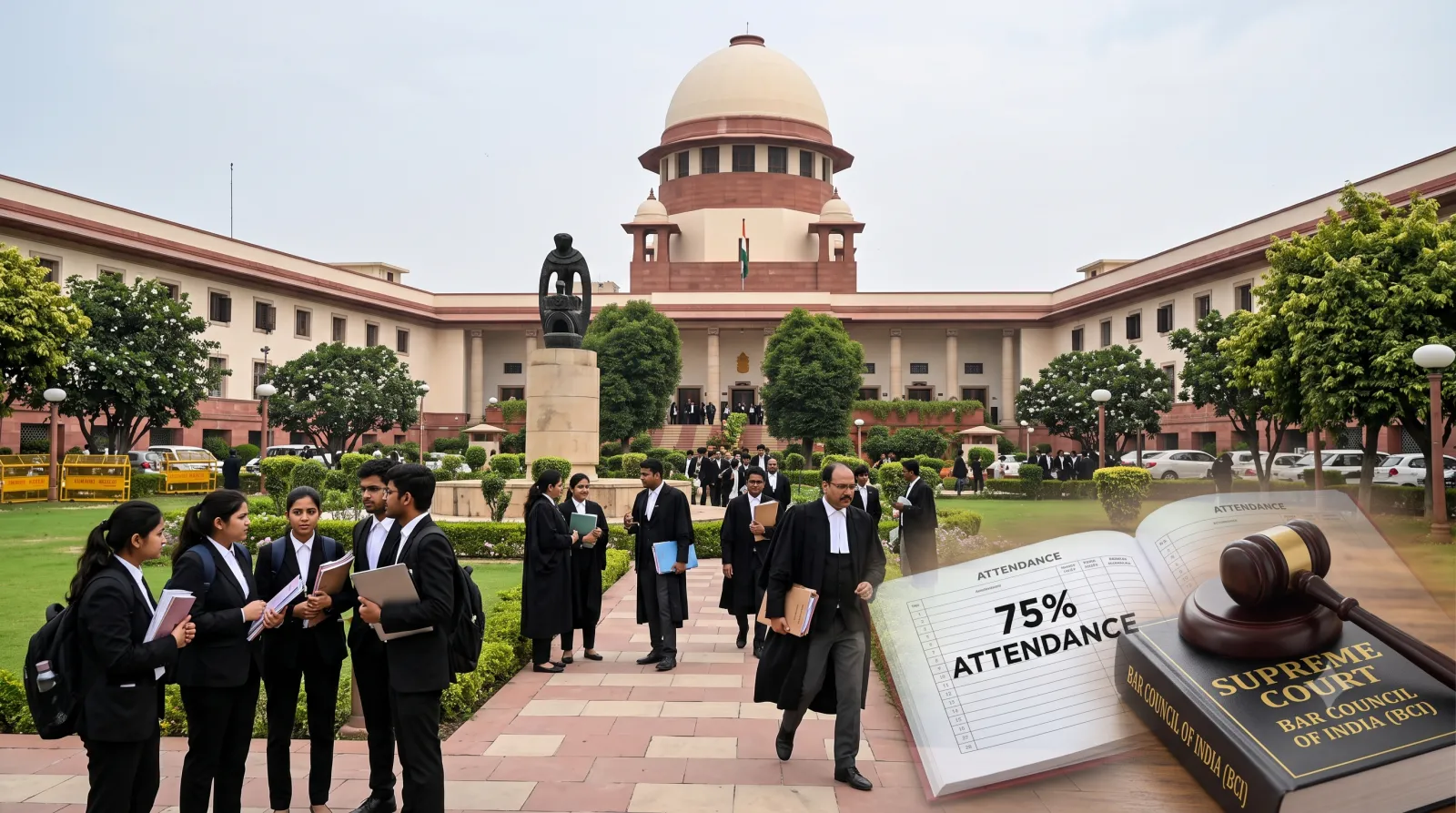
The Supreme Court of India has refused to treat the experience of court bench clerks as equivalent to that of judicial law clerks for qualifying for judicial service examinations, holding that ministerial administrative work cannot substitute actual courtroom legal practice.
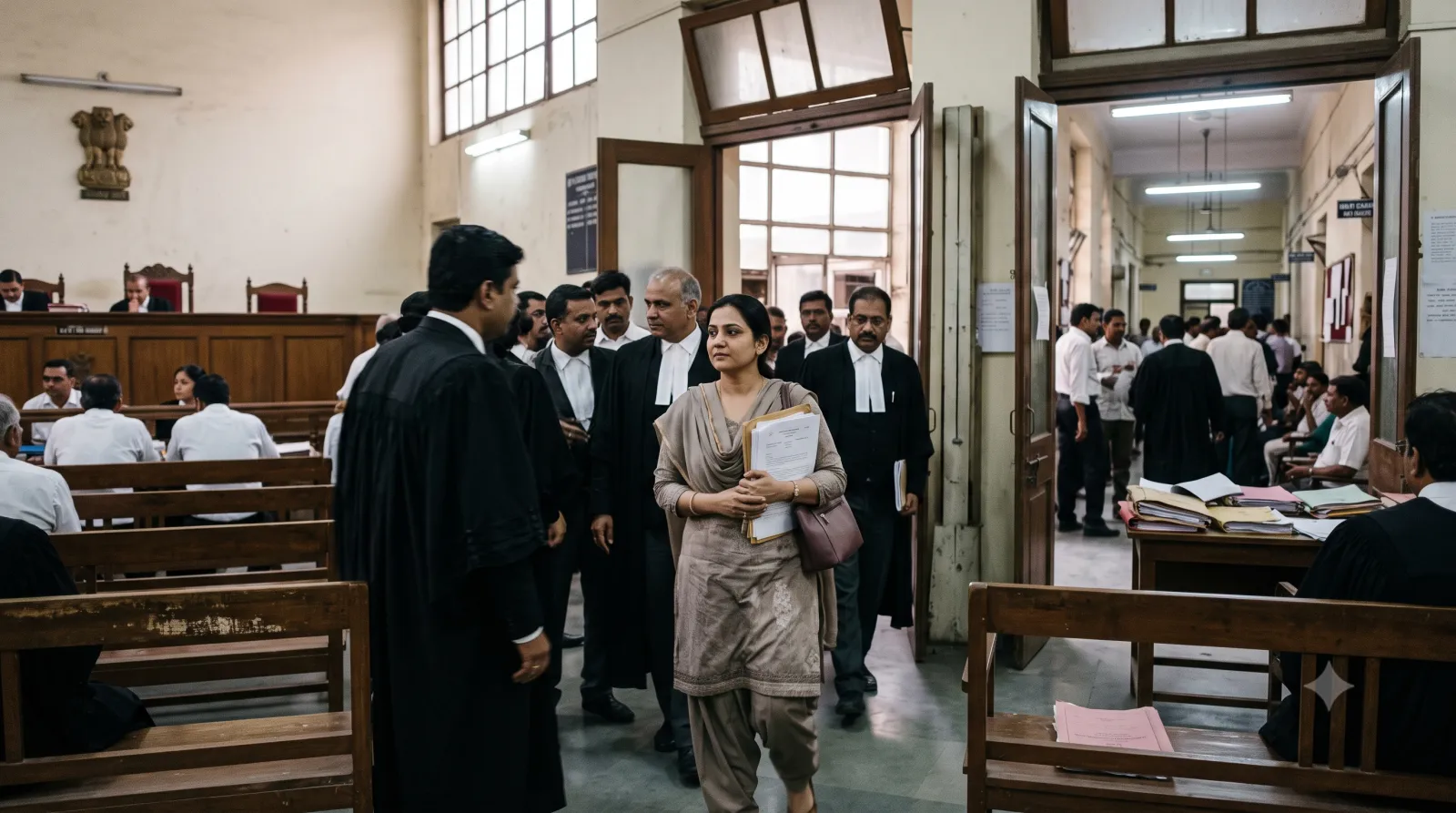
A three-judge bench comprising Chief Justice of India Surya Kant, Justice Joymalya Bagchi, and Justice V. Mohana dismissed a writ petition filed by Tapasmita Sutar, a law graduate employed as a bench clerk in the district judiciary. The petitioner sought an exemption from the mandatory one-year litigation practice requirement for appearing in the Civil Judge (Junior Division) examination, arguing that her daily court duties assisting the bench should be counted towards legal practice on par with judicial law clerks.
Rejecting the plea, the apex court held that the classification between law clerks and bench clerks is reasonable and constitutionally sound under Article 14. The bench observed that while law clerks perform substantive legal research assisting judges in adjudication, bench clerks perform ministerial functions. The Court held that the foundational requirement of courtroom advocacy cannot be dispensed with for entry into the judicial service.
Legal Topic
Area of Law: Constitutional Law / Judicial Service Rules
Sub-topic: Article 14 Reasonable Classification / Eligibility Criteria & Mandatory Practice for Judicial Service
Core Legal Issue
Does the classification that permits experience as a judicial "Law Clerk" to count towards the mandatory practice requirement for the civil judge examination, while excluding the service of administrative "Bench Clerks," violate the guarantee of equality under Article 14 of the Constitution of India?
Furthermore, can constitutional courts dispense with the mandatory one-year advocacy practice threshold to accommodate ministerial court staff aspiring to enter the state judicial service?
What Did the Court Decide?
The Supreme Court dismissed Writ Petition (Civil) No. 1224 of 2026, refusing to grant parity between bench clerks and law clerks.
The bench affirmed that there is a profound qualitative difference between the intellectual legal research performed by law clerks and the administrative assistance rendered by bench clerks.
Chief Justice Surya Kant remarked that while the Court has already relaxed the practice threshold from three years to one year to facilitate opportunities for young aspirants, it cannot dispense with actual bar experience altogether. The bench held that if a candidate wishes to enter the judiciary, they must first complete the mandatory one year of active practice at the bar.
Key Legal Points
- The Supreme Court held that equating the ministerial experience of a bench clerk with the intellectual legal research of a law clerk for judicial appointments is impermissible and legally flawed.
- The bench ruled that treating law clerks differently from bench clerks constitutes a reasonable classification under Article 14, as law clerks play a unique role directly assisting in legal research and judgment drafting.
- Justice Joymalya Bagchi observed that granting equivalence to bench clerks would inevitably lead to extending advocacy exemptions to all ministerial staff assisting courts, diluting recruitment standards.
- Chief Justice Surya Kant clarified that while the apex court recently relaxed the bar practice requirement from three years to one year in August 2026, the foundational experience of courtroom litigation cannot be compromised.
- Justice V. Mohana underscored that continuing in ministerial government employment cannot be claimed as equivalent to active advocacy in a court of law.
Relevant Law
- Article 14 of the Constitution of India: Equality before the law and the doctrine of reasonable classification based on intelligible differentia.
- Article 234 of the Constitution of India: Recruitment of persons other than district judges to the judicial service.
- Advocates Act, 1961: Rights and duties of advocates enrolled to practice in Indian courts.
- Supreme Court Directive on Judicial Service (May 2025 & August 2026 Orders): Framework mandating minimum legal practice experience for civil judge aspirants, recognizing law clerkships while requiring active litigation exposure.
Arguments of the Parties
Petitioner (Tapasmita Sutar):
Represented by counsel, the petitioner submitted that having completed her law degree, she was actively deployed in courtrooms assisting the judge on the bench during trials and hearings. Counsel argued that because her full-time government employment prevented her from maintaining active bar practice, she was placed at an unfair disadvantage compared to peers. She contended that her practical exposure to judicial proceedings should be treated as equivalent to that of law clerks, entitling her to sit for the judicial service examination.
Respondent / Judiciary & State:
The respondents maintained that judicial service rules require foundational litigation experience to ensure that newly appointed judges understand trial procedures, cross-examination, and advocacy ethics. They submitted that bench clerks perform clerical and ministerial duties under court establishment rules, which cannot be equated with legal research or courtroom practice, and that granting an exemption would violate recruitment standards.
Why Does It Matter?
This ruling reinforces the professional standards governing India's subordinate judiciary, which handles the overwhelming majority of citizen litigation. Following the Supreme Court's 2025 and 2026 rulings restoring mandatory practice criteria for civil judge aspirants, several court employees and legal officers sought judicial exemptions to bypass the bar practice rule.
By drawing a clear boundary between ministerial assistance and active courtroom advocacy, the Supreme Court preserves the qualitative threshold for judicial appointments. The judgment confirms that judges must possess firsthand courtroom experience, affirming that administrative familiarity with files cannot substitute the rigorous intellectual and procedural training gained through active litigation.
Legal Takeaway
The Supreme Court has firmly held that the administrative experience of a bench clerk cannot be equated with that of a law clerk to bypass the mandatory litigation practice required for judicial service examinations. Under Article 14, distinguishing between ministerial court staff and legal researchers is a valid classification, and aspiring judges must complete the requisite active bar practice before seeking judicial appointment.
Sources
Primary Source: Judgment of the Supreme Court of India in Tapasmita Sutar v. Union of India & Ors. (Writ Petition (Civil) No. 1224 of 2026, decided by Chief Justice Surya Kant, Justice Joymalya Bagchi, and Justice V. Mohana on October 6, 2026).
Additional Sources: LiveLaw Supreme Court Report; Bar & Bench Coverage.