Karnataka High Court: Criticism Is Not a Threat; Guidelines Issued on Social Media Cases
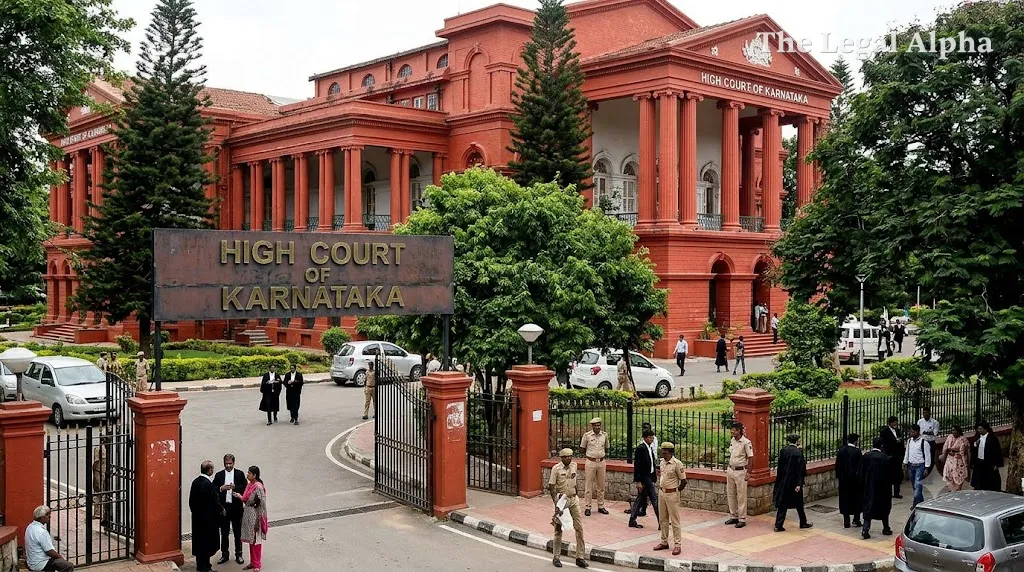
The Karnataka High Court has issued a set of binding guidelines to police authorities to curb the automatic registration of criminal cases (FIRs) over social media posts. Justice M. Nagaprasanna quashed a criminal case filed against the administrator of the "Karnataka Portfolio" account for reposting a news report regarding a stalking incident in the Puttur area.
The Court noted with concern that seven separate FIRs had been registered across multiple stations over the exact same incident, observing that mere criticism or news reporting does not constitute a criminal threat or an offense warranting penal action. This ruling sets clear boundaries against police overreach in invoking penal offenses over online commentary or reporting.
Legal Topic
Area of Law: Criminal Law and Civil Liberties
Sub-topic: Online Freedom of Speech / FIR Registration Procedures and Arrest Safeguards
Core Legal Issue
The central legal question before the Court was whether the act of reposting a news item or expressing criticism on social media fulfills the essential material ingredients and mental intent required to establish offenses related to promoting enmity between groups.
The Court also addressed whether law enforcement authorities can lawfully register multiple FIRs by different complainants over a single publication, and whether police officers may resort to immediate arrest without verifying the statutory thresholds of the alleged offenses.
What Did the Court Decide?
The High Court quashed the criminal proceedings against the account administrator, holding that the post lacked the necessary elements to constitute the alleged offense.
The Court laid down six mandatory guidelines for police authorities across Karnataka, directing the Director General and Inspector General of Police (DG & IGP) to circulate these instructions to all police stations. The bench clarified that the mere registration of an FIR does not justify automatic arrest and directed officers to conduct preliminary inquiries where appropriate before initiating coercive steps.
Key Legal Points
-
Verification of Statutory Ingredients: Police officers must ensure that the essential legal elements of an offense are disclosed before registering an FIR; merely citing statutory sections in a complaint is insufficient.
-
Prohibition of Multiple FIRs: The registration of multiple FIRs across different police stations over the same incident or similar content is impermissible; officers must verify whether a prior complaint on the matter already exists.
-
Statutory Preliminary Inquiries: Preliminary inquiries under the applicable criminal procedural provisions must be utilized where permissible, rather than registering penal cases reflexively.
-
No Automatic Arrests: Registering a case does not confer blanket power to arrest; any detention must strictly comply with established legal safeguards and necessity standards.
-
Protection of Legitimate Commentary: Sharing news reports or expressing critical opinions does not constitute incitement or promoting enmity without demonstrable criminal intent.
Relevant Law
-
Bharatiya Nyaya Sanhita (BNS): Section 353(2) (statements creating or promoting enmity, hatred, or ill-will between classes).
-
Bharatiya Nagarik Suraksha Sanhita (BNSS): Section 35 (safeguards and conditions governing arrest) and Section 173(3) (preliminary inquiries prior to FIR registration).
-
Supreme Court Precedent: Arnesh Kumar v. State of Bihar (mandatory guidelines preventing routine and mechanical arrests).
Arguments of the Parties
Petitioner:
Counsel for the petitioner submitted that the account had merely reposted an existing news report concerning the Puttur incident without any malicious intent or intention to disturb public order. It was further argued that subjecting the administrator to multiple criminal complaints across various jurisdictions amounted to an abuse of the legal process.
Respondent / State:
Counsel representing the State contended that the social media post had triggered local unrest and held the potential to escalate tensions, thereby prompting police action pursuant to complaints received from members of the public.
Why Does It Matter?
This judgment addresses the growing trend of law enforcement initiating criminal proceedings over online speech, reporting, and political criticism.
It reinforces legal protections for journalists, independent commentators, and citizens by shielding them from retaliatory litigation and repetitive FIRs for a single post. The ruling also mandates procedural discipline among investigating officers, requiring them to examine legal thresholds before invoking severe penal provisions or resorting to custodial measures.
Legal Takeaway
Legitimate criticism and factual reporting do not automatically constitute criminal conduct in the absence of statutorily defined criminal intent. Furthermore, the registration of a criminal complaint does not give the police unfettered authority to execute an arrest without fulfilling established statutory conditions.
Sources
Primary Source:
Karnataka High Court Order, Justice M. Nagaprasanna, Sandeep Kumar v. State of Karnataka and Another (Criminal Petition No. 13010 of 2024 / reported proceedings).
Additional Sources:
High Court of Karnataka official case records; Bharatiya Nyaya Sanhita (BNS); Bharatiya Nagarik Suraksha Sanhita (BNSS); Supreme Court directives in Arnesh Kumar v. State of Bihar.