J&K High Court Summons Srinagar District Magistrate Over 'Mechanical' Preventive Detention Order Lacking Specifics
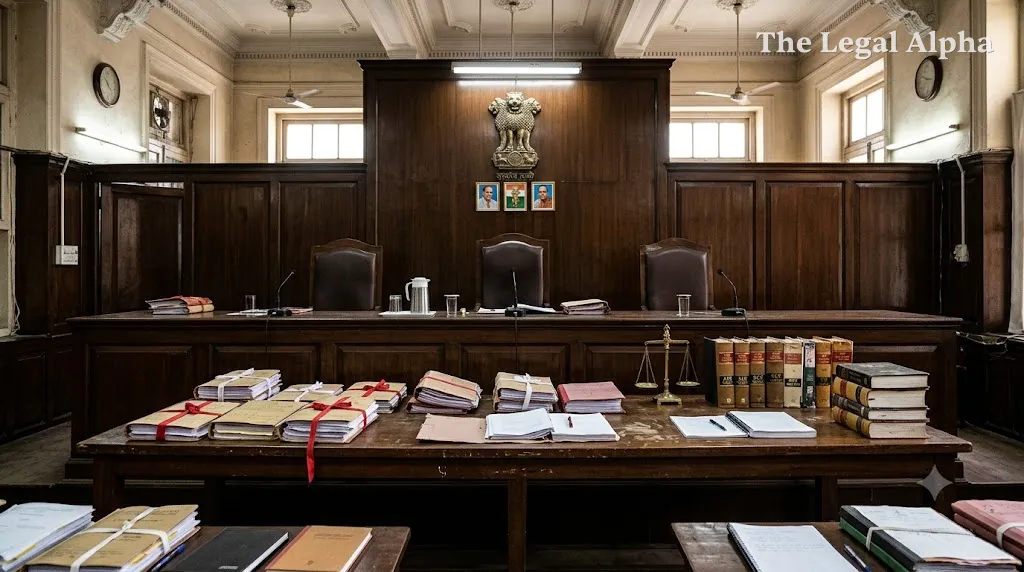
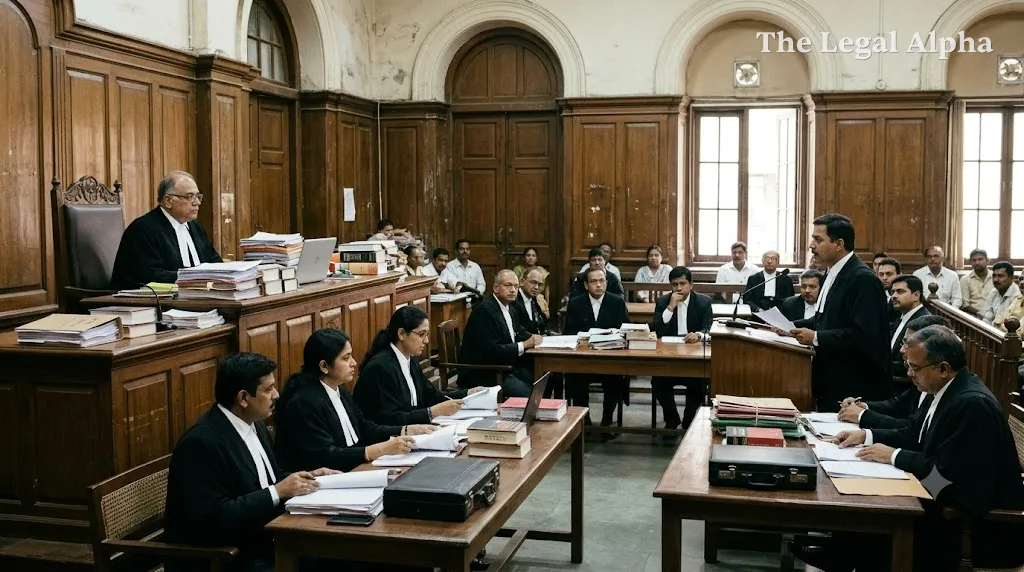
The High Court of Jammu & Kashmir and Ladakh has directed the Deputy Commissioner/District Magistrate of Srinagar to appear in person before the bench. The summons follows judicial scrutiny of a preventive detention order passed under the Jammu and Kashmir Public Safety Act, 1978, which the court observed appeared to have been issued mechanically and without proper application of mind.
The order was challenged by Zubair Amin Bangroo, a resident of Srinagar who was detained pursuant to an administrative order dated January 13, 2026. While the grounds of detention accused Bangroo of harbouring and providing logistical backing to terrorists, the document failed to identify any specific militant, operative, or illegal outfit.
Legal Topic
-
Area of Law: Constitutional Law / Administrative Law
-
Sub-topic: Preventive Detention / Personal Liberty and Executive Discretion
Core Legal Issue
The matter addresses whether an executive magistrate can issue a valid preventive detention order without providing concrete factual particulars—such as identifying alleged terror associates—and whether transcribing police dossiers without independent formulation of grounds violates constitutional guarantees against arbitrary detention.
At its core, the court examined whether the detaining authority genuinely arrived at a subjective satisfaction based on cogent material, or whether it merely rubber-stamped a police recommendation, thereby defeating the procedural protections enshrined under Article 22(5) of the Constitution of India.
What Did the Court / Authority Decide?
Justice Rahul Bharti / Justice Wasim Sadiq Nargal's bench directed the Deputy Commissioner, Srinagar, to appear personally on October 22, 2026, accompanied by the entire original record. This includes the primary police dossier and all documentary evidence evaluated prior to formulating the detention order.
The court directed the magistrate to explain the circumstances under which the order was issued and address why it appeared to have been passed in a routine, mechanical manner. The bench underscored that the deprivation of personal liberty, even for a single day, causes irreparable constitutional injury that cannot be undone simply by subsequent release. The substantive challenge regarding the quashing of the detention order remains pending consideration.
Key Legal Points
-
Strict Construction of Preventive Laws: Preventive detention statues must be interpreted strictly, as they confer extraordinary administrative power to detain an individual without a conventional criminal trial.
-
Independent Subjective Satisfaction: The detaining authority is legally obligated to apply its own mind rather than replicate the language or conclusions of the sponsoring police dossier.
-
Right to Make Effective Representation: Indefinite or vague allegations—such as referring to "aforementioned terrorists" without naming any individual or group—deprive the detainee of the constitutional ability to submit an effective rebuttal.
-
Gravity of Allegations Does Not Excuse Due Process: The presence of grave allegations touching national security or terrorism does not dilute the executive's statutory and constitutional obligations to follow mandatory procedural safeguards.
Relevant Law
-
Article 21, Constitution of India: Guarantee of the right to life and personal liberty, requiring any deprivation to be by procedure established by law.
-
Article 22(5), Constitution of India: Mandatory duty of the detaining authority to communicate grounds of detention as soon as possible and afford the detainee the earliest opportunity to make a representation.
-
Jammu and Kashmir Public Safety Act, 1978 (PSA): Section 8 (powers to detain individuals prejudicial to state security or maintenance of public order).
-
Judicial Precedent: Vijay Narain Singh v. State of Bihar (1984), establishing that preventive detention laws must be construed strictly and an individual’s liberty must not be curtailed unless every statutory requirement is met.
Arguments of the Parties
The Petitioner
Counsel for the detainee argued that the grounds of detention were impermissibly vague, lacking names, specific events, or verifiable details concerning the alleged terror associates. It was further contended that no First Information Report (FIR) had been registered against the detainee and that the District Magistrate acted in haste, merely duplicating the sponsoring agency's dossier without independent verification.
The State / Authority
The State maintained that preventive detention is an anticipatory security measure rather than a punitive one, aimed at disrupting imminent threats to public safety and state security. Counsel for the administration submitted that intelligence inputs justified preemptive action and that the absence of a registered substantive criminal case does not inherently invalidate subjective satisfaction.
Why Does It Matter?
This development reinforces judicial oversight over preventive detention statutes, particularly in sensitive jurisdictions where such powers are frequently exercised. The decision signals that courts will not permit national security considerations to become a blanket justification for administrative shortcuts.
By summoning the District Magistrate in person rather than merely seeking an affidavit from a subordinate officer, the High Court reiterates administrative accountability. For legal practitioners and district authorities, this serves as an explicit reminder that preventive detention orders must clearly articulate facts and show genuine, demonstrable deliberation on the face of the record.
Legal Takeaway
Preventive detention orders founded on ambiguous allegations or uncritical reproductions of police dossiers fail constitutional muster. Regardless of how serious an accusation may be, executive authorities must independently demonstrate subjective satisfaction on the record, or risk direct judicial censure and invalidation of the order.
Sources
-
Primary Source: High Court of Jammu & Kashmir and Ladakh at Srinagar, Record and Order in Habeas Corpus Petition filed by Zubair Amin Bangroo challenging Detention Order dated January 13, 2026.
-
Additional Sources: Case law precedents cited: Vijay Narain Singh v. State of Bihar (1984) 3 SCC 14; Provisions of the Jammu and Kashmir Public Safety Act, 1978, and Constitution of India (Articles 21 & 22).