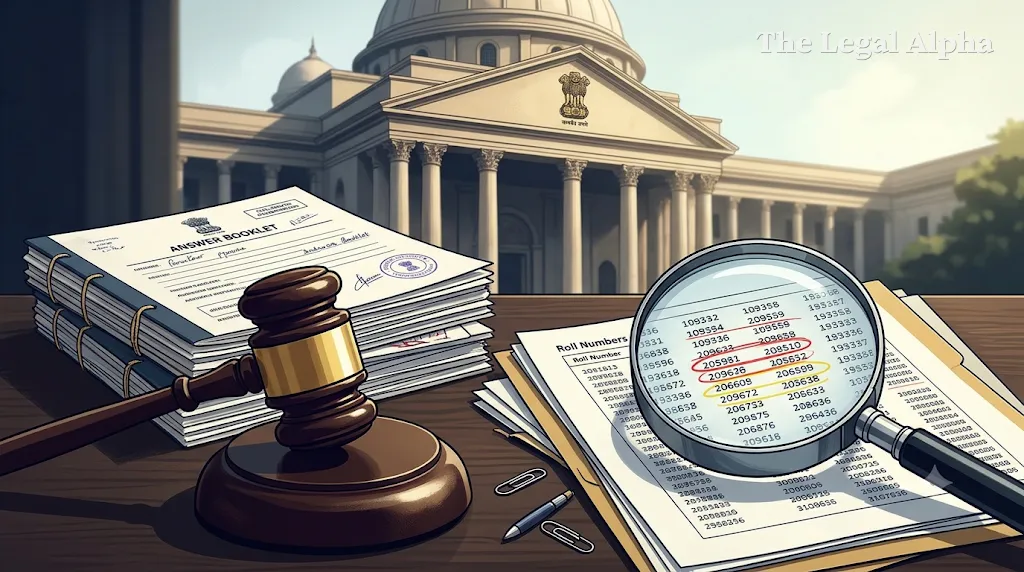
Internal Rift in Kerala Public Service Commission as Chairman Faces Scrutiny Over Unauthorised Writ Petition Against Crime Branch Probe
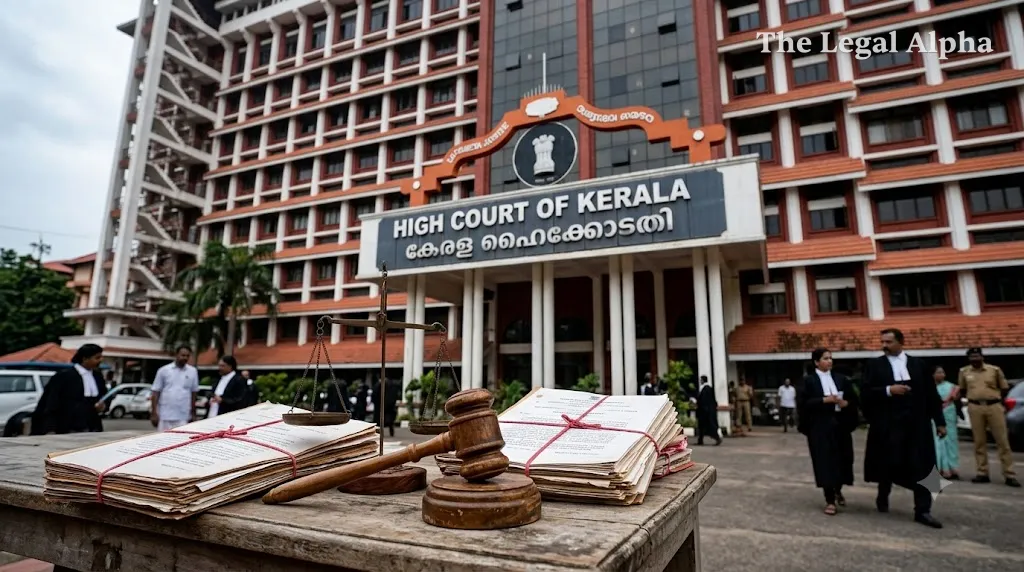
Members of the Kerala Public Service Commission (KPSC) informed the Kerala Police Crime Branch that a writ petition challenging the state government’s criminal investigation into recruitment examination malpractices was filed before the Kerala High Court without obtaining collective sanction or formally deliberating the move in the Commission.
The petition, filed through the Commission’s Secretary in September, seeks to quash the executive order directing a Crime Branch investigation into evaluation irregularities for the post of Chief in the State Planning Board. The Chairman, M. R. Baiju, reportedly relied on an administrative authorization granted during a July meeting—intended merely to coordinate responses to investigatory summonses—to launch independent legal proceedings against the investigative wing. The dispute comes amidst pending criminal summons directing the Chairman to appear before investigators for joint interrogation alongside remanded Commission officers.
Legal Topic
-
Area of Law: Constitutional & Administrative Law / Criminal Procedure
-
Sub-topic: Internal Governance of Statutory & Constitutional Bodies / Scope of Delegated Authority / Investigative Immunity
Core Legal Issue
The controversy centres on whether the administrative head of a multi-member constitutional body can, on his own accord and under a general authorization to manage investigative correspondence, file a writ petition on behalf of the institution to halt a statutory criminal probe without formal approval from the full Commission.
A secondary legal issue is whether an official challenged under anti-corruption laws can deploy the institutional umbrella of a Public Service Commission, bypass its designated standing counsel, and hire private legal representation to resist criminal inquiries into individual evaluation practices.
What Did the Court / Authority Decide?
-
Substantive Adjudication Pending: The Kerala High Court has not yet rendered a final ruling on the maintainability or merits of the Commission's quashing petition.
-
Investigative Agency Posture: The Crime Branch has declined to stay its inquiry, maintaining that the pending writ plea affords no formal interim bar against personal interrogation or evidentiary discovery.
-
Summons & Custody Actions: A fresh notice was served directing Chairman M. R. Baiju to report for questioning, alongside custody applications moved before the jurisdictional magistrate court for the police custody of remanded officials, including an Additional Secretary and a former Deputy Secretary.
Key Legal Points
-
Collective Character of Constitutional Commissions: Under Article 315 through Article 320 of the Constitution of India, a Public Service Commission acts as a collegiate constitutional entity; institutional representation in litigation ordinarily requires a formal resolution or explicit collective consent rather than unilateral executive discretion.
-
Separation Between Institutional and Personal Defense: Public funds and the institutional standing of an autonomous body cannot be repurposed to protect office-bearers against individual criminal culpability or investigations under anti-corruption statutes.
-
Procedural Irregularities in Engagement of Counsel: Engaging external private advocates to represent a statutory body in proceedings against a State investigation, in place of the duly appointed High Court Standing Counsel, invites procedural scrutiny under state litigation and governance rules.
-
Limits of Collateral Judicial Challenges: Filing a quashing petition under Article 226 does not create an automatic immunity shield against an ongoing Section 409 IPC or Prevention of Corruption Act investigation unless an express interim stay order is granted by the High Court.
Relevant Law
-
Constitution of India: Articles 315–320 (Composition, powers, and duties of State Public Service Commissions); Article 226 (Writ jurisdiction of the High Court)
-
Code of Criminal Procedure, 1973 (CrPC) / Bharatiya Nagarik Suraksha Sanhita, 2023 (BNSS): Provisions governing police investigation into cognizable offences, issuance of summons, and magisterial remand custody
-
Prevention of Corruption Act, 1988: Sections 7 and 13(1)(a) (Bribery, undue advantage, and criminal misconduct by a public servant)
-
Indian Penal Code, 1860 (IPC): Section 409 (Criminal breach of trust by a public servant)
-
Kerala Public Service Commission Rules of Procedure: Guidelines concerning quorum, collegiate approvals, and internal resolution protocols
Arguments of the Parties
The Kerala Public Service Commission (Chairman’s Stance)
-
The Chairman and petitioning registry contend that the Commission is an autonomous constitutional authority whose recruitment mechanisms, examination designs, and evaluation workflows must remain insulated from executive interference and targeted police investigations.
-
It is argued that the resolution passed in the Commission’s meeting on July 13 provided administrative authorization to the Chairman to take all necessary formal procedures and legal measures arising out of Crime Branch notices.
-
The petitioner maintains that questioning constitutional functionaries and scrutinizing evaluation systems undermines the administrative autonomy of the recruitment body.
The Investigating Agency & State Contention
-
The Crime Branch and state prosecutors maintain that constitutional status does not confer blanket immunity against criminal inquiries into fraudulent evaluation practices, tampering of marks, or deliberate manipulation of selection merit lists.
-
Investigating authorities submit that statements recorded from sitting Commission members confirm the petition was initiated without collective knowledge or institutional approval, invalidating the standing of the writ as an institutional action.
-
The State maintains that a pending writ petition does not excuse a public official from answering statutory summonses issued under the Code of Criminal Procedure.
Why Does It Matter?
This development clarifies the boundary between the administrative autonomy of constitutional recruitment institutions and personal accountability under criminal statutes. If an individual head of a multi-member commission can move the constitutional courts in the name of the institution without obtaining formal clearance from fellow members, it sets a concerning precedent for governance within statutory authorities.
The case also tests the limits of judicial intervention in executive probes concerning recruitment integrity. Public confidence in civil service examinations relies on rigorous accountability; allowing procedural filings to stall anti-corruption probes without explicit High Court orders risks institutional credibility and leaves thousands of examination candidates in procedural limbo.
Legal Takeaway
A constitutional functionary cannot unilaterally initiate judicial proceedings on behalf of a collegiate body without express collective sanction, particularly when using institutional standing to contest criminal inquiries into administrative misconduct. Autonomy does not create individual immunity from the standard processes of criminal procedure unless an explicit stay is granted by a court of competent jurisdiction.
Sources
Primary Source:
-
Official Case Records & Crime Branch Investigation Status Reports, Special Investigation Team (Recruitment Malpractices), Crime Branch, Thiruvananthapuram (Investigatory notices and FIR under Sections 7 & 13(1)(a) PC Act and Section 409 IPC).
Additional Sources:
-
High Court Filings and Commission Proceedings Registry, Kerala Public Service Commission (Thiruvananthapuram).
-
State Investigative Agency Updates and Investigative Record Summaries, Kerala Police Crime Branch.