IAS Officer Shikhar Agrawal Turns to Supreme Court as Rajasthan Corruption Probe Continues
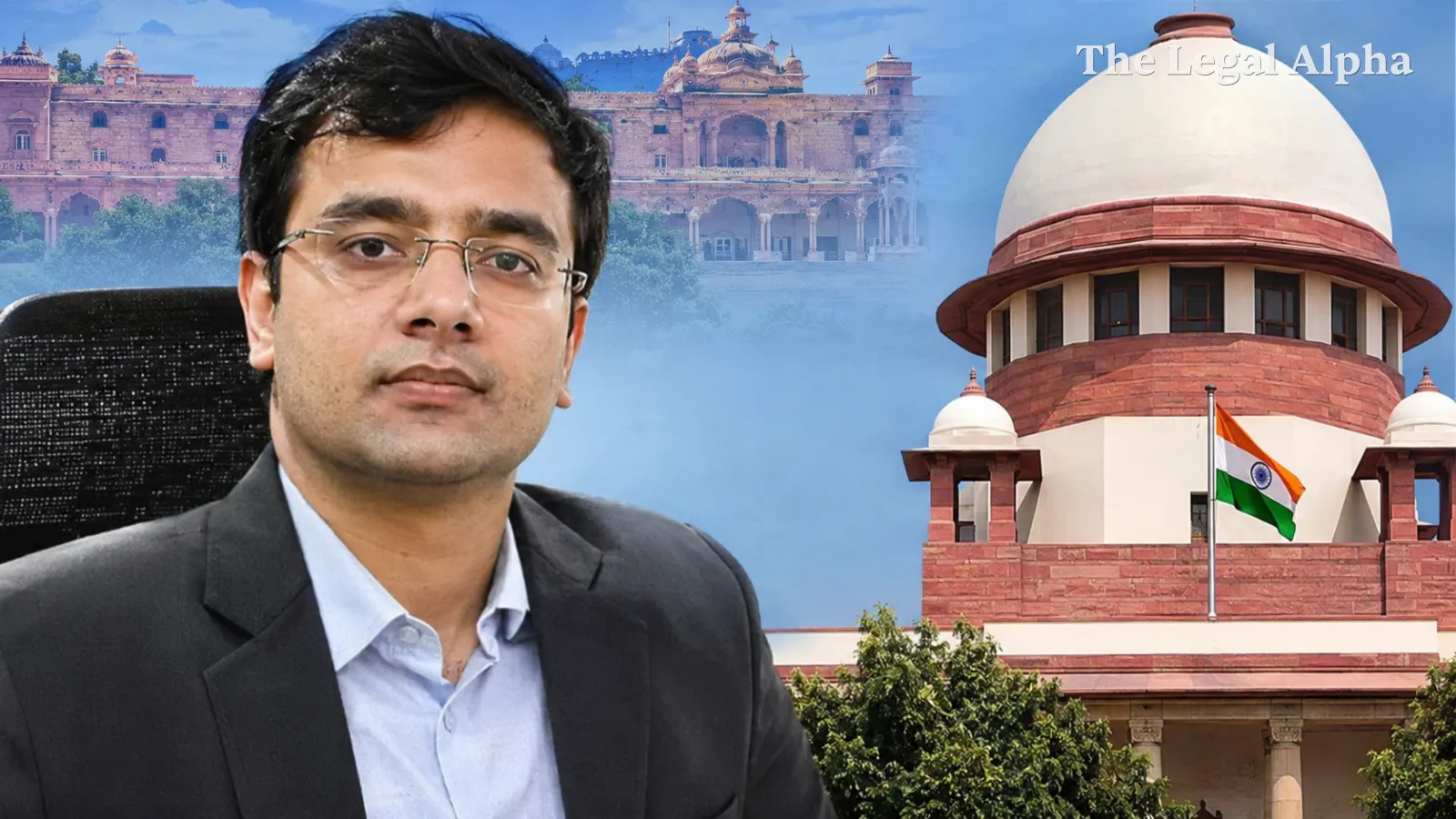
Senior Rajasthan-cadre IAS officer Shikhar Agrawal has approached the Supreme Court seeking protection against the ongoing Anti-Corruption Bureau (ACB) investigation into allegations of corruption and abuse of official position.
The move comes after the Rajasthan High Court declined to consider his request for immediate interim protection on November 19, 2026. The High Court directed the State Government to submit its response within three weeks and scheduled the next hearing for December 18, 2026.
The investigation concerns alleged irregularities involving the purchase of 64 resort villas and cottages by Agrawal and his family members from properties associated with Goyal Fashions Private Limited, which operates resorts under the Ananta brand.
The ACB has alleged that the officer received financial benefits through property transactions while extending favourable government decisions and regulatory concessions to the company. These allegations remain under investigation and have not been established by a court.
Agrawal has challenged the legality of the investigation approval and is seeking protection from further coercive action.
Legal Topic
Area of Law: Anti-Corruption Law and Criminal Law
Sub-topic: Prior Approval for Investigation Against Public Servants, Prevention of Corruption Act, 1988, and Judicial Review
Core Legal Issue
The principal legal question concerns the validity of prior government approval granted under Section 17A of the Prevention of Corruption Act, 1988, for an investigation into alleged offences connected with decisions taken by a public servant in the discharge of official duties.
The matter also raises questions about the procedural safeguards available to public servants before an investigation is initiated and the extent to which courts can examine the legality of such approval at an early stage of criminal proceedings.
A further issue is whether the officer is entitled to interim judicial protection while his challenge to the investigation approval remains pending.
What Did the Court / Authority Decide?
The Rajasthan High Court, in its November 19 order in Shikhar Agrawal v. State of Rajasthan, S.B. Criminal Writ Petition No. 1501/2026, did not grant immediate interim relief.
Justice Anil Kumar Upman observed that the allegations concerning procedural irregularities in granting approval under Section 17A could be examined after the State Government submitted its response.
The High Court consequently directed the State to file its reply within three weeks and listed the matter for December 18, 2026. The question of interim relief was left for consideration on the next hearing date.
Following this development, Agrawal approached the Supreme Court seeking a stay on further proceedings arising from the ACB investigation and protection against arrest or other coercive measures.
The Rajasthan Government has also filed a caveat before the Supreme Court, seeking an opportunity to present its submissions before any order granting interim relief is passed.
What remains pending: The Supreme Court's consideration of Agrawal's latest petition, the High Court's examination of the legality of the Section 17A approval, and the underlying ACB investigation.
Key Legal Points
-
Prior approval under Section 17A: The provision requires previous approval before an enquiry, inquiry or investigation into certain alleged offences relating to recommendations or decisions made by public servants in the discharge of official functions, subject to statutory exceptions.
-
Judicial scrutiny of approval: The legality of the government's approval can be examined by the court when procedural irregularities are specifically raised.
-
Interim protection: An accused public servant may seek judicial protection against coercive action, but such relief is not automatic merely because a challenge to the investigation has been filed.
-
State's opportunity to respond: The Rajasthan High Court considered the State's response necessary before examining the allegations of procedural irregularities.
-
Presumption regarding allegations: The ACB's allegations concerning property transactions and official decisions must be distinguished from facts judicially established after investigation and adjudication.
Relevant Law
Prevention of Corruption Act, 1988
Section 17A – Enquiry or inquiry or investigation of offences relatable to recommendations made or decisions taken by public servants in discharge of official functions or duties.
This provision establishes a requirement of previous approval from the competent authority before investigating certain alleged corruption offences connected with official decisions or recommendations.
The provision is central to Agrawal's challenge because he has questioned the manner in which the State Government granted approval for the ACB investigation.
Constitution of India – Article 226
Article 226 empowers High Courts to issue appropriate writs, directions and orders for enforcement of fundamental rights and for other legal purposes. It provides the constitutional basis for judicial review proceedings before the Rajasthan High Court.
Arguments of the Parties
Petitioner – Shikhar Agrawal
Agrawal has questioned the legality of the government's approval for the ACB investigation.
His principal contention is that the approval under Section 17A was granted hastily and without proper consideration of the relevant facts and circumstances.
He has also raised concerns regarding procedural irregularities in the decision-making process. According to his submissions, these issues require judicial examination before the investigation proceeds further.
His challenge seeks protection against further proceedings and coercive action while the legality of the investigation approval is considered.
Respondent – State of Rajasthan
The State Government has been directed to file its response before the Rajasthan High Court.
The government has also filed a caveat in the Supreme Court, indicating that it wants an opportunity to be heard before any interim relief is granted to the officer.
The detailed response to Agrawal's allegations remains part of the pending judicial proceedings.
Why Does It Matter?
The case raises an important question about balancing the accountability of public officials with the procedural safeguards provided under anti-corruption legislation.
Section 17A of the Prevention of Corruption Act is intended to provide a statutory approval mechanism for investigations involving official decisions and recommendations. At the same time, questions concerning the legality and manner of granting such approval can become significant when a public servant challenges the initiation of an investigation.
The proceedings may also have implications for how courts examine allegations of procedural irregularities at the preliminary stage of corruption investigations.
For government officers, the dispute highlights the importance of maintaining transparent records of official decisions, property transactions and financial disclosures.
However, the central issue remains whether the investigation approval satisfies the requirements of law. The allegations against Agrawal must not be treated as established findings merely because an FIR has been registered.
Legal Takeaway
The challenge brought by IAS officer Shikhar Agrawal places the statutory safeguards under Section 17A of the Prevention of Corruption Act under judicial scrutiny. While public servants can question the legality of investigation approvals, filing such a challenge does not automatically stop an investigation or guarantee protection from coercive action.
The final outcome will depend on the courts' examination of the approval process, the parties' submissions and the applicable legal requirements.
Sources
Primary Source:
-
Shikhar Agrawal v. State of Rajasthan, S.B. Criminal Writ Petition No. 1501/2026, Rajasthan High Court, order dated November 19, 2026.
Additional Sources:
-
The Indian Express – Report on Agrawal's move to the Supreme Court and the Rajasthan ACB investigation.
-
The Times of India – Report dated November 24, 2026, concerning the Supreme Court petition.
-
LiveLaw – Report on the Rajasthan High Court proceedings and Section 17A challenge.