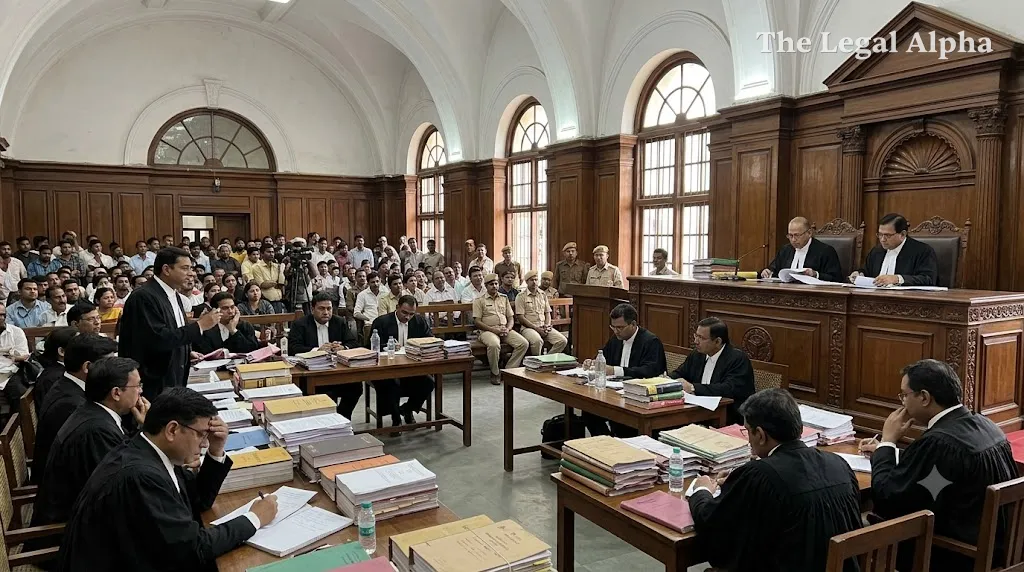
High Court Transfers Muzaffarnagar Sessions Judge to Family Court Following String of Capital Sentences and Jurisdictional Disputes
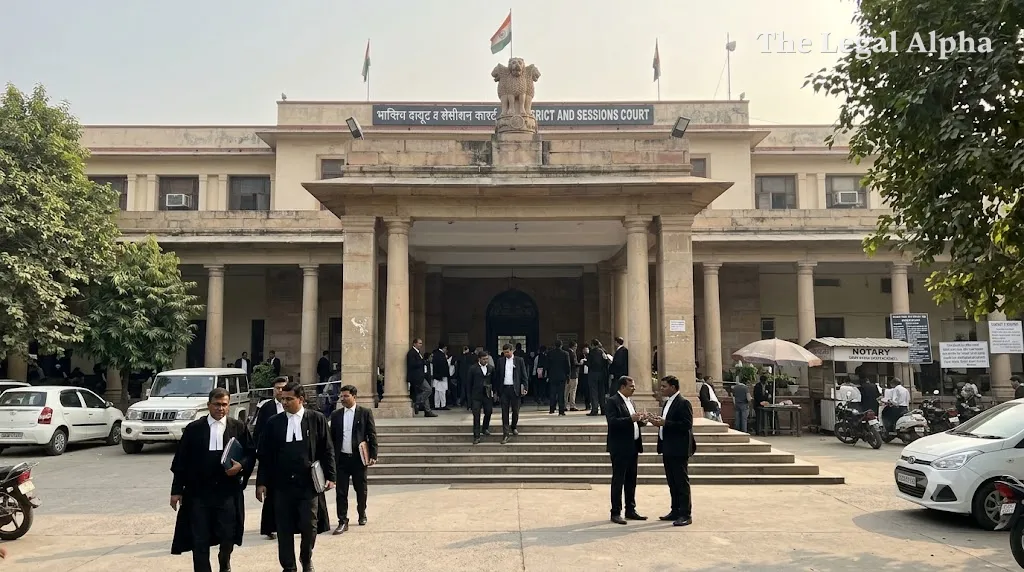
The Allahabad High Court has reassigned Uttar Pradesh judicial officer Ravi Kumar Diwakar from his post as Additional District and Sessions Judge (Fast Track Court) in Muzaffarnagar to the district’s Family Court as Additional Principal Judge.
Diwakar drew national attention after awarding 23 death sentences across multiple murder trials in Muzaffarnagar, bringing his cumulative total across postings to 36 capital convictions. His tenure was also marked by institutional friction: in September 2026, he formally objected to the District Judge’s administrative recall of nearly 100 murder trials from his court, alongside raising public concerns regarding modifications to his personal security detail. Following the administrative transfer, Additional Sessions Judge Shiv Kumari took charge of the fast-track court.
Legal Topic
Area of Law: Criminal Law & Judicial Administration
Sub-topic: Capital Sentencing Jurisprudence / High Court Administrative Superintendence
Core Legal Issue
The primary legal development concerns the High Court’s constitutional authority over the posting and assignment of subordinate judicial officers under Article 235 of the Constitution of India, balanced against judicial independence.
A secondary question touches upon the statutory threshold for capital punishment under Section 354(3) of the Code of Criminal Procedure, 1973 (CrPC) and corresponding provisions of the Bharatiya Nagarik Suraksha Sanhita, 2023 (BNSS). The frequent imposition of capital punishment at the trial court level tests the statutory mandate that death sentences must remain an exceptional deviation reserved strictly for the "rarest of rare" cases, subject to mandatory confirmation by the High Court under Section 366 of the CrPC.
What Did the Court / Authority Decide?
Under its administrative machinery, the Allahabad High Court issued orders transferring Judge Diwakar to the Family Court cadre as an Additional Principal Judge.
The reassignment relieves the officer from trying serious criminal offenses, including capital cases and NDPS trials, shifting his docket to matrimonial disputes, guardianship matters, and maintenance proceedings. In tandem, the local sessions division completed the reassignment of Fast Track Court-3 to Judge Shiv Kumari. The administrative order does not disturb the verdicts previously handed down by the judge; all issued death penalties remain subject to statutory reference and statutory appeals before the High Court.
Key Legal Points
-
Administrative Control vs. Judicial Discretion: High Courts possess superintendence and administrative control over the subordinate judiciary pursuant to Article 235 of the Constitution, including transfers, roster allocations, and cadre management.
-
Capital Sentencing Threshold: Under the doctrine established in Bachan Singh v. State of Punjab (1980) and Machhi Singh v. State of Punjab (1983), the death penalty can only be awarded when the alternative option of life imprisonment is unquestionably foreclosed.
-
Mandatory High Court Confirmation: A death sentence awarded by a Court of Session cannot be executed unless confirmed by the High Court under Section 366 of the CrPC (Section 407 of the BNSS), functioning as an institutional safeguard against sentencing anomalies.
-
Case Reallocation Powers: Principal District Judges possess administrative powers under Section 408 and Section 409 of the CrPC to withdraw or recall cases from an Additional Sessions Judge to balance dockets or maintain administrative harmony.
Relevant Law
-
Article 235, Constitution of India: Control over district and subordinate courts vested in the High Court.
-
Section 354(3), Code of Criminal Procedure, 1973 (CrPC): Requirement to state special reasons when awarding the sentence of death.
-
Section 366, CrPC / Section 407, Bharatiya Nagarik Suraksha Sanhita, 2023 (BNSS): Mandatory submission of death sentences by the Sessions Court for confirmation by the High Court.
-
Section 408 & 409, CrPC: Power of Sessions Judge to transfer, recall, and withdraw cases and appeals.
-
Family Courts Act, 1984: Statutory framework governing the appointment of Judges to adjudicate matrimonial and domestic disputes.
Arguments of the Parties
-
The Judicial Officer’s Stand: In administrative communications preceding the transfer, the officer maintained that judicial orders were rendered in strict accordance with evidence and law. He raised objections against the District Judge's recall of nearly 100 pending murder trials from his docket, questioning the procedural validity of the mass withdrawal and communicating to state authorities that changes in his personal security detail compromised his safety.
-
High Court / Judicial Administration: The judicial administration treated the roster changes and transfers as standard administrative reorganizations within the judicial services. Transacting administrative adjustments, reallocating congested dockets, and rotating officers among civil, criminal, and family court divisions remain standard supervisory prerogatives to preserve institutional functioning and judicial decorum.
Why Does It Matter?
The transfer highlights the tension between judicial independence and administrative oversight within India's lower judiciary. While trial judges are empowered to evaluate evidence independently, significant deviations in sentencing patterns—such as dozens of capital verdicts within a single year—invariably draw institutional scrutiny from the appellate courts.
Furthermore, shifting an officer handling serious penal trials to a family court docket effectively suspends their role in criminal adjudication without initiating formal disciplinary proceedings. The development also emphasizes the critical role of High Court confirmation benches: trial court capital awards do not represent final execution orders, and the appellate judiciary retains full authority to examine mitigating circumstances, psychiatric evaluations, and rehabilitation prospects before confirming any death sentence.
Legal Takeaway
High Courts maintain absolute supervisory jurisdiction over subordinate judges under Article 235 of the Constitution, which includes the administrative prerogative to shift judicial rosters and transfer officers. For capital offenses, lower court verdicts remain conditional recommendations that cannot take effect without independent evaluation and statutory confirmation by the High Court under Section 366 of the CrPC.
Sources
Primary Source:
-
High Court of Judicature at Allahabad, Administrative Transfer & Posting Notifications (Subordinate Judiciary, Uttar Pradesh, October 2026).
Additional Sources:
-
High Court transfer and posting coverage reported via The Times of India and The Indian Express.